Have a saved cart?
Enter your email to restore it.

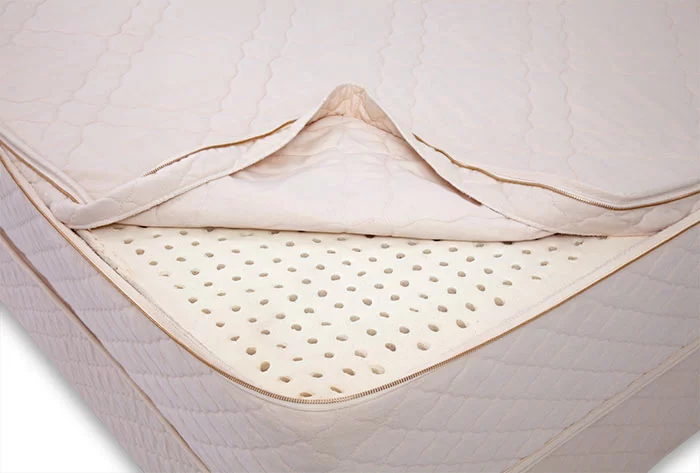
Natural latex mattresses are naturally resistant to dust mites, mold, and bacteria. But they still need periodic cleaning to stay fresh and perform at their best. The good news: cleaning a latex mattress is straightforward. The key is knowing what works and, just as importantly, what to avoid.
Spot cleaning handles most everyday messes. Here is what you need:
Mix a small amount of mild soap into cool water. Dampen your cloth and gently blot the stained area. Do not rub or scrub. Blotting lifts the stain without pushing it deeper into the latex. Rinse the cloth with clean water, blot again to remove soap residue, then press dry towels against the spot to absorb moisture.
For protein-based stains like blood or sweat, use cold water only. Warm water can set these stains permanently.
Deep cleaning once or twice a year keeps your mattress in top condition. Remove all bedding and the mattress cover. Vacuum the mattress surface with an upholstery attachment to remove dust, dead skin cells, and debris.
If you notice odors, sprinkle baking soda lightly across the surface. Let it sit for 30 minutes to an hour, then vacuum it off thoroughly. Baking soda neutralizes odors without harming the latex.
For a more thorough clean, lightly mist the surface with a solution of equal parts water and white vinegar. Wipe down with a damp cloth and allow the mattress to air dry completely before replacing bedding.
Different stains call for slightly different approaches:
Speed matters with stains. The faster you address a spill, the easier it comes out.
Latex must dry completely before you put bedding back on. Trapped moisture is the one real enemy of natural latex. Here is how to dry it effectively:
Never use a hair dryer on high heat or place your latex mattress in direct sunlight for extended periods. Excessive heat degrades natural latex and can cause it to become brittle over time.
Natural latex is durable, but certain cleaning methods will damage it. Avoid these mistakes:
Most natural latex mattresses come with a removable cover, and this is your first line of defense against stains. Wash the cover regularly following the care label instructions. Most organic cotton covers can be machine washed on a gentle cycle with cold water and tumble dried on low heat.
A clean cover reduces how often you need to clean the latex itself. Pair it with a mattress protector for even better protection.
For detailed care guidance, read our full latex mattress care instructions. If you are concerned about moisture and mold, our guide on whether latex mattresses get moldy covers prevention and treatment.
No. Never machine wash latex. The agitation and water saturation will damage the foam permanently. Spot clean with a damp cloth and mild soap instead.
Spot clean stains as they happen. Deep clean with vacuuming and baking soda once or twice a year. Wash your mattress cover every one to two months.
Yes. Baking soda is safe for natural latex and effective at neutralizing odors. Sprinkle it on, let it sit for 30 minutes to an hour, and vacuum it off.
Mild dish soap, white vinegar diluted with water, baking soda, and hydrogen peroxide for tough stains. Avoid bleach, chemical solvents, and harsh detergents.
New natural latex has a mild, rubbery scent that fades within a few days. Air out the mattress in a ventilated room and the odor will dissipate on its own. This is not off-gassing from chemicals. It is simply the natural scent of latex sap.
Proper cleaning with mild soap and water does not void warranties. However, using bleach, chemical solvents, or soaking the mattress typically does. Always check your specific warranty terms.