Have a saved cart?
Enter your email to restore it.

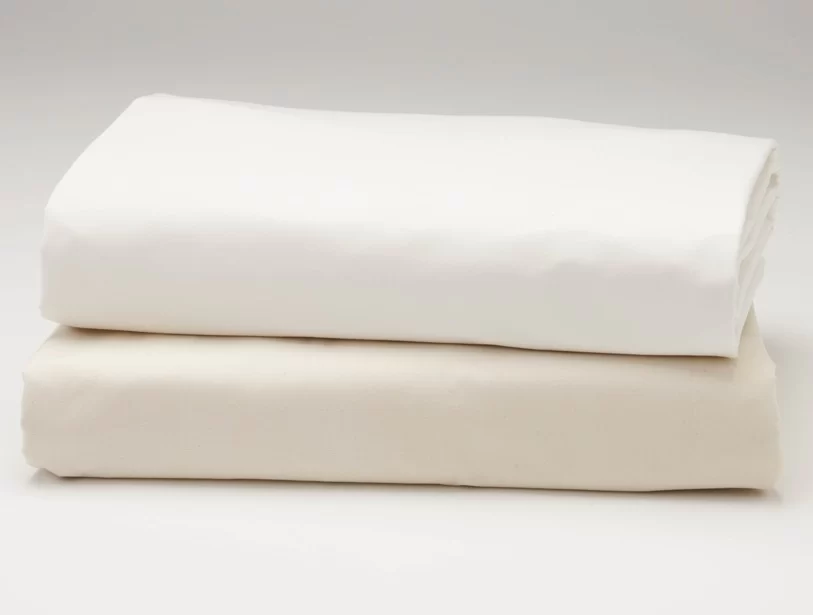
Organic cotton sheets are one of the simplest upgrades you can make for healthier, more comfortable sleep. Grown without synthetic pesticides or chemical treatments, organic cotton is softer on your skin, safer for your body, and better for the environment than conventional alternatives. Whether you already sleep on an organic latex mattress or are just starting to explore natural bedding, organic cotton sheets are a practical first step.
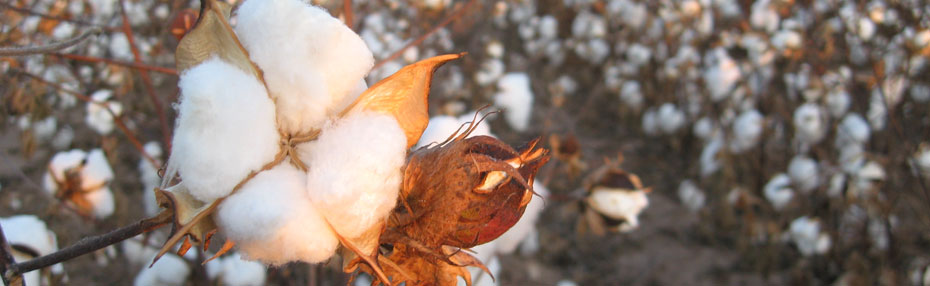
Organic cotton sheets are made from cotton grown without synthetic pesticides, herbicides, or chemical fertilizers. The cotton is processed without chlorine bleach, formaldehyde finishes, or metal-based dyes. To qualify as organic, the cotton must meet certification standards such as the Global Organic Textile Standard (GOTS), which verifies organic practices from the field through manufacturing.
Conventional cotton sheets, by contrast, can contain residues from the extensive pesticides used during farming. These residues are embedded in the fiber and remain even after washing. When you lie on conventional sheets for 7-9 hours each night, your skin is in direct contact with those chemical traces.
Pesticides and chemical treatments on non-organic fabrics can leach into your body through skin contact, especially when you sweat. Prolonged exposure has been linked to allergies, asthma, skin irritation, and more serious chronic health concerns. Organic cotton eliminates this source of chemical exposure entirely.
Because organic cotton is free of synthetic dyes, bleach, and chemical softeners, it is naturally hypoallergenic. Many people with eczema, contact dermatitis, or chemical sensitivities find that switching to organic sheets significantly reduces irritation and improves sleep quality.
Organic cotton fibers breathe naturally, allowing air to circulate and moisture to evaporate. This keeps you cool in summer and comfortable in winter. Synthetic sheets trap heat and moisture against the body, which can disrupt sleep and create an environment favorable to bacteria growth.
Thread count refers to the number of threads woven into one square inch of fabric. For organic cotton sheets, a thread count between 300 and 800 is considered good. However, thread count is not the only quality indicator.
The weave type matters just as much:
Both weave types are available in organic cotton. The best choice depends on your personal comfort preference and sleeping temperature.
Organic cotton sheets are durable and easy to maintain. With proper care, a quality set can last three years or more before the fabric begins to thin. Factors that affect longevity include wash frequency, water temperature, and whether you use harsh detergents.
Care tips for organic cotton sheets:
Organic cotton does not shrink significantly after the initial wash if you follow care instructions. Any minor shrinkage is accounted for in sizing by quality manufacturers.
Choosing organic cotton sheets supports farming practices that protect soil health, conserve water, and maintain biodiversity. Conventional cotton farming uses approximately 35% of the world’s pesticides, contributing to water pollution, soil degradation, and harm to beneficial insects including pollinators.
Organic cotton farming uses natural fertilizers, crop rotation, and biological pest management. The result is healthier soil, cleaner water, and a dramatically smaller environmental footprint for the bedding you sleep on every night.

Organic cotton sheets pair naturally with other organic sleep products for a fully chemical-free bed:
Each component reinforces the others. Sleeping on organic sheets over a conventional mattress still exposes you to the chemicals in that mattress. A complete organic setup eliminates synthetic chemical contact across your entire sleep surface. For more on organic cotton in latex mattresses, see our detailed guide.
Yes. Organic cotton sheets eliminate chemical residue contact during sleep, feel softer over time, and support sustainable farming. The price difference compared to quality conventional sheets is often modest, and the health and comfort benefits are measurable.
Organic cotton may shrink slightly after the first wash, typically 3-5%. Quality manufacturers account for this in their sizing. Following care instructions — washing in warm rather than hot water and avoiding high-heat drying — minimizes shrinkage.
A thread count between 300 and 800 is ideal for organic cotton sheets. Below 300, sheets may feel rough. Above 800, manufacturers often use multi-ply threads that inflate the count without improving quality. Focus on thread count combined with weave type (percale or sateen) for the best results.
Yes. Organic cotton breathes naturally and wicks moisture away from the body. Percale-weave organic cotton sheets are especially effective for hot sleepers because their crisp, open weave promotes maximum airflow.
Look for GOTS (Global Organic Textile Standard) certification on the product label or listing. GOTS verifies that the cotton is organically grown and that the entire manufacturing process meets strict environmental and social standards.
Organic cotton is hypoallergenic because it is free of the chemical residues, synthetic dyes, and bleach treatments that commonly trigger allergic reactions. Many allergy sufferers report noticeable improvement after switching to organic bedding.