Have a saved cart?
Enter your email to restore it.


Switching to a natural latex mattress is a significant upgrade, but getting the most out of it takes a little intentionality. These practical tips help you optimize your sleep quality, whether you are new to latex or looking to improve your current setup.
Your body needs time to adapt to a new sleep surface, especially if you are coming from a memory foam or innerspring mattress. Latex has a distinctly different feel — responsive, buoyant, and supportive without the sinking sensation of memory foam.
During the first 2-3 weeks, you may notice:
Do not judge your mattress during the first week. The adjustment period is real, and most sleepers who push through it report significantly better sleep afterward. For a detailed breakdown, read our guide on latex mattress adjustment time.
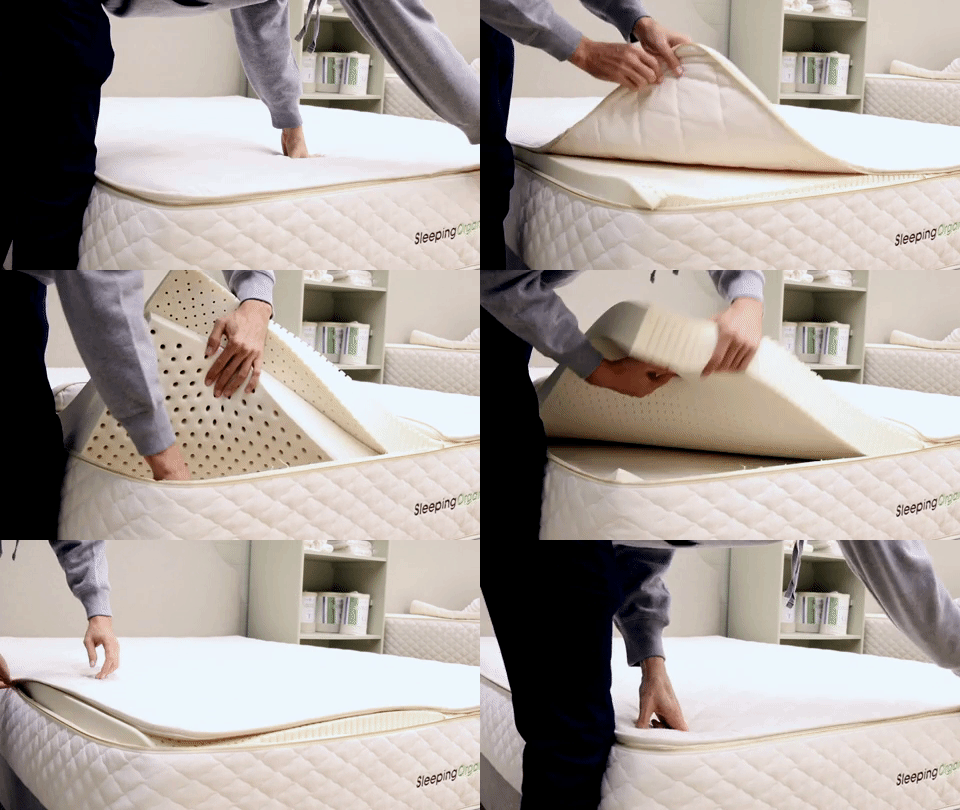
If your mattress uses a modular design (like our Sapling, Sprout, or Tree models), you can adjust the firmness without buying anything new. Each latex layer can be rearranged within the mattress:
This flexibility is one of the biggest advantages of a natural latex mattress. You are not locked into a single feel. Experiment with different arrangements during your adjustment period to find what works best.
Your pillow matters as much as your mattress for sleep quality. A pillow that worked on your old mattress may not be right on latex. Here is why: latex supports your body differently, which changes the distance between your head and the mattress surface and the angle of your neck.
A natural shredded latex pillow pairs particularly well with a latex mattress because:
One of the best features of natural latex is that it sleeps cool. Do not undo that advantage with synthetic sheets that trap heat. Organic cotton sheets and bedding complement a latex mattress by:
For specific recommendations, see our guide on the best organic cotton sheets. Percale weave is particularly breathable for warm sleepers, while sateen offers a smoother feel with slightly more warmth.
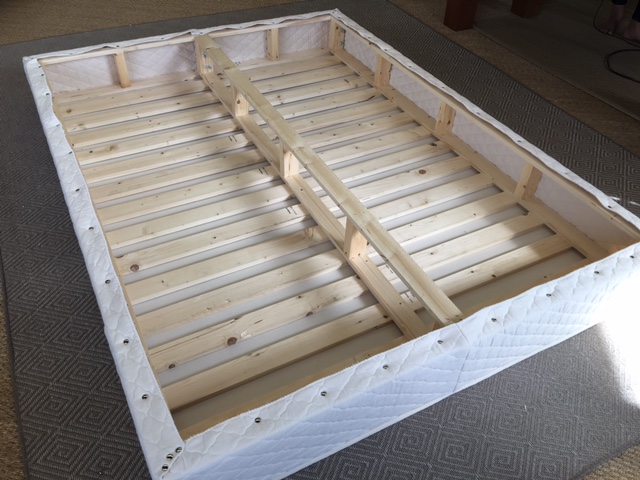
Your mattress cannot perform correctly on a poor foundation. A latex mattress needs:
Avoid old box springs, sagging bed frames, or wire grids. These cause uneven support and accelerate wear. An organic mattress foundation is designed specifically for latex mattresses and ensures the mattress performs as intended.
The ideal sleep environment works with your mattress, not against it:
A breathable, waterproof mattress protector is a practical necessity. It prevents sweat, spills, and body oils from reaching the latex while preserving the mattress’s breathability. Choose an organic cotton protector with a thin waterproof membrane — avoid vinyl or heavy plastic covers that trap heat.
A good protector also keeps dust mites and allergens at bay, which improves air quality in your sleep environment.
Once adjusted, sleeping on natural latex should feel distinctly different from other mattress types. Expect a buoyant, responsive surface that contours to your body without sinking. You should feel supported and cradled, able to change positions easily without feeling stuck. For a full description, read our article on what a latex mattress feels like.
Most people fully adjust within 2-3 weeks. The first few nights may feel unfamiliar, especially if you are coming from memory foam. Your body needs time to adapt to different pressure distribution and spinal support. Give it at least two full weeks before making any judgments.
First, wait through the full adjustment period. New latex softens slightly during the first few weeks. If it still feels too firm after 2-3 weeks, rearrange your layers — move a softer layer to the top or flip the comfort layer. With a modular mattress, you can also order a softer replacement layer.
Absolutely. A pillow that is too high or too flat misaligns your cervical spine, causing neck pain and poor sleep regardless of how good your mattress is. Match your pillow loft to your sleeping position and consider a shredded latex pillow for adjustable support.
Generally no. A quality latex mattress should not need a topper. If the surface feels too firm, rearranging the internal layers is a better solution. Adding a topper on top of a latex mattress can actually reduce its responsiveness and breathability.
Yes, particularly for temperature regulation and skin sensitivity. Conventional sheets are treated with chemicals (formaldehyde, flame retardants, wrinkle-resistant coatings) that can cause irritation and trap heat. Organic cotton sheets breathe better and complement the non-toxic nature of your organic mattress.
Every 3-6 months, rotate the mattress head to foot. If your mattress has modular layers, also flip individual layers top-to-bottom periodically. This distributes wear evenly and extends the lifespan of the mattress significantly.