Have a saved cart?
Enter your email to restore it.

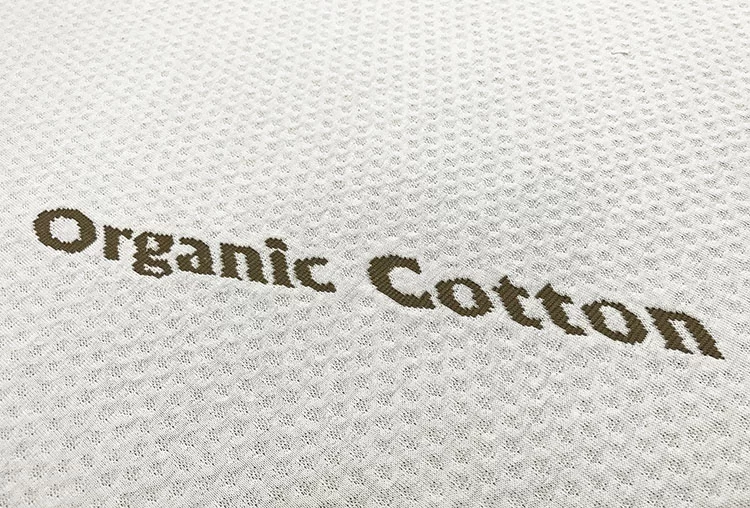
Organic bedding is made from certified organic materials like organic cotton and organic wool, grown and processed without synthetic pesticides, chemical fertilizers, or harmful dyes. If you invested in an organic mattress to create a cleaner sleep environment, pairing it with organic bedding completes the picture. Conventional sheets, pillowcases, and mattress protectors can reintroduce the very chemicals you paid to eliminate.
This guide covers what makes bedding truly organic, how to choose the best organic bedding for your organic latex mattress, and why the switch matters for your health, comfort, and the environment.
Organic bedding is manufactured from fibers that meet strict organic farming and processing standards. The two most important certifications to look for are:
When a product carries one of these certifications, a third-party organization has verified that the materials are genuinely organic, the manufacturing facility meets environmental and labor standards, and transaction certificates trace the organic content from source to finished product.
Organic cotton is grown without synthetic pesticides, chemical fertilizers, or genetically modified seeds. This means the fibers are free from mycotoxin residues, heavy metals, and other harmful substances that conventional cotton carries. Beyond being cleaner, organic cotton produces softer, more breathable fabric that feels noticeably different against your skin. Learn more about organic cotton in mattresses and bedding.
Organic wool is sheared from sheep raised on organic pastures without synthetic hormones or pesticides. In bedding, organic wool is used as a natural temperature regulator, moisture wicker, and flame retardant. It is commonly found inside mattress covers, mattress protectors, and comforters. Read about the benefits of organic wool in your sleep setup.
You spend roughly eight hours every night with your face pressed into your pillow and your body wrapped in sheets. Conventional bedding is treated with formaldehyde-based wrinkle-resistant finishes, synthetic dyes, and flame retardant chemicals that can off-gas and absorb through your skin. Organic bedding eliminates this exposure entirely.
People with eczema, contact dermatitis, or chemical sensitivities often find relief when switching to organic bedding. Without pesticide residues and chemical finishes, organic cotton and wool are naturally hypoallergenic and gentle on reactive skin.
Organic cotton breathes better than synthetic blends and even many conventional cotton products. The natural fiber structure allows air to circulate freely, which helps regulate body temperature throughout the night. This is especially valuable for hot sleepers or anyone living in a warmer climate.
Organic farming practices protect soil health, prevent toxic chemical runoff into waterways, and require less water than conventional cotton farming. When you choose organic bedding, you support agricultural practices that preserve farmland and ecosystems for future generations. Most GOTS-certified products also ensure fair labor practices and fair wages for workers.

The weave determines the feel of your sheets:
Both weaves are excellent. It comes down to personal preference. If possible, try both to see which you prefer.
For organic cotton sheets, look for a minimum thread count of 300. Higher thread counts (up to about 400-500) generally feel softer and more luxurious, but extremely high thread count claims beyond 600 are often marketing exaggeration using multi-ply yarns rather than genuinely finer fabric.
While organic cotton is the most popular choice, silk and bamboo sheets are also natural alternatives worth considering. Each has different care requirements and a distinct feel. Organic cotton remains the most versatile, durable, and widely available option.
Organic bedding requires slightly more care than synthetic alternatives, but the extra effort is minimal:
Proper care extends the life of organic cotton and wool products significantly, making them a better long-term investment than synthetic bedding that pills and breaks down quickly.
Organic bedding works best as part of a fully organic sleep environment. Here is what a complete setup looks like:
Each component reinforces the others. There is little point in sleeping on an organic mattress if your sheets are treated with the same chemicals you are trying to avoid. For more on why organic sheets are worth it, see our detailed comparison.
Yes. Organic bedding eliminates chemical exposure during the 7 to 9 hours you spend in bed each night, lasts longer than synthetic alternatives, and supports sustainable farming. The upfront cost is higher, but the health benefits and durability make it a sound investment over time.
Look for GOTS certification, which is the most reliable third-party verification for organic textiles. Products labeled “natural” or “eco-friendly” without GOTS or equivalent certification may not meet genuine organic standards. Request transaction certificates if a company’s organic claims seem questionable.
Most people notice that organic cotton sheets feel softer and more breathable than conventional alternatives. The absence of chemical finishes means the cotton’s natural texture comes through. Organic sheets also tend to get softer with each wash rather than pilling or degrading.
Organic bedding can reduce allergic reactions triggered by chemical residues in conventional fabrics. If your allergies are related to dust mites, organic wool has natural dust mite resistance. For pollen or environmental allergies, the benefit comes primarily from eliminating chemical irritants that compound your body’s allergic response.
A thread count between 300 and 400 is ideal for organic cotton sheets. This range provides a soft, durable fabric without relying on inflated thread count numbers. Percale sheets typically fall in the 300 to 400 range, while sateen sheets may go slightly higher.
High-quality organic cotton sheets last 3 to 5 years with proper care, and organic wool products can last even longer. Replace sheets when they show signs of thinning, pilling, or loss of elasticity. Mattress protectors and pillow covers should be replaced every 2 to 3 years.