Have a saved cart?
Enter your email to restore it.

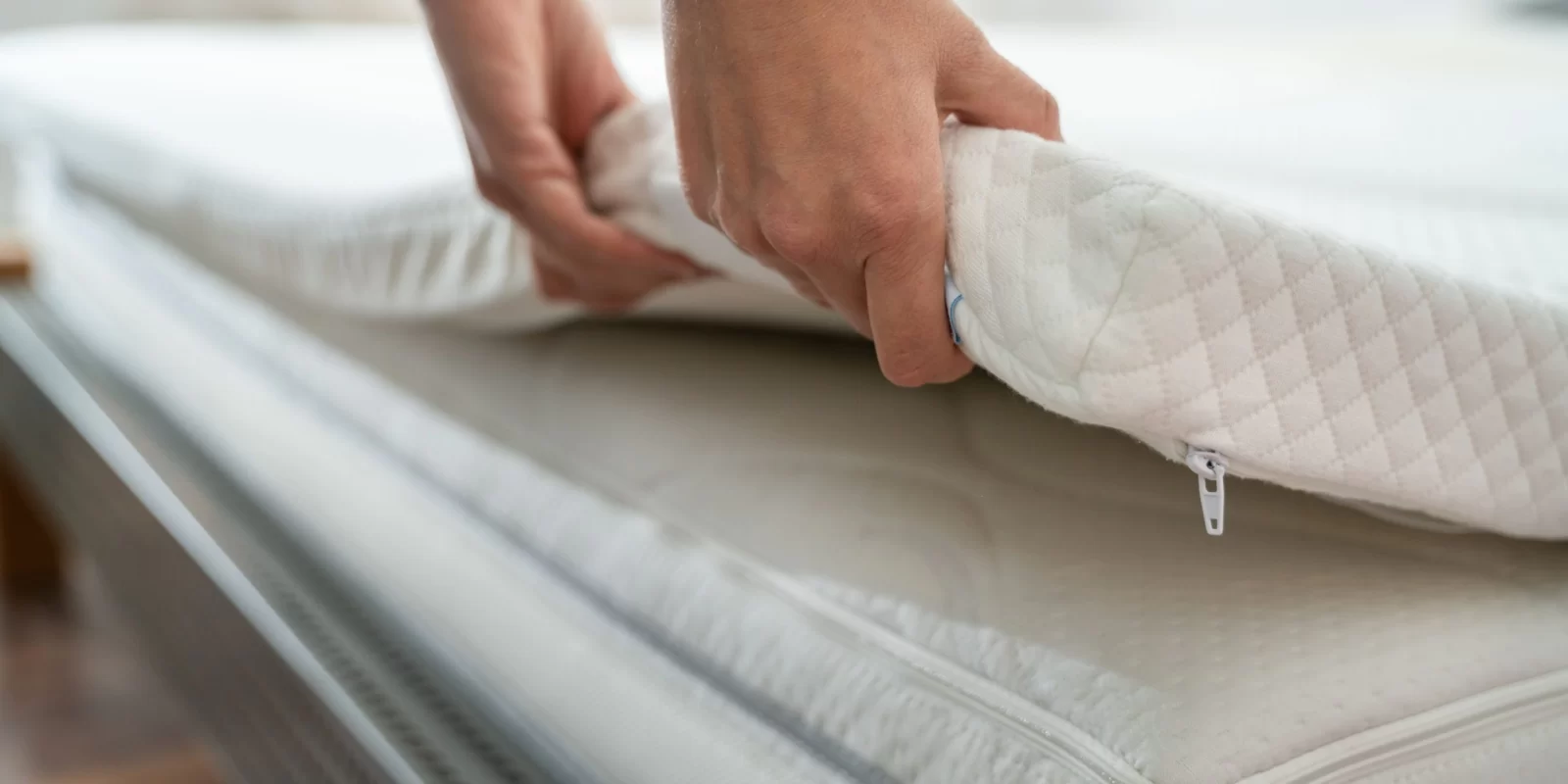
Yes, if your latex mattress has a zippered, removable cover and unglued layers. You can flip, rearrange, and rotate the individual latex layers inside. This is one of the most practical advantages of a modular latex mattress design. However, the answer is more nuanced than a simple yes or no, because not every latex mattress is built the same way.

This guide explains which latex mattresses can be flipped, why you would want to flip one, how to do it properly, and how often to maintain your mattress for maximum longevity.
There are two different things people mean when they ask about flipping a latex mattress, and the distinction matters.
This means turning the whole mattress upside down so the bottom becomes the top. Most latex mattresses should not be flipped this way. The layers are arranged with purpose, softer comfort layers on top and firmer support layers on the bottom. Flipping the entire mattress would put the firm base layer against your body and the soft comfort layer on the bottom, resulting in an uncomfortable and unsupportive sleep surface.
The exception is a mattress with identical layers top and bottom (same material, same ILD). These symmetrical builds can be flipped upside down without changing the feel. However, this configuration is uncommon.
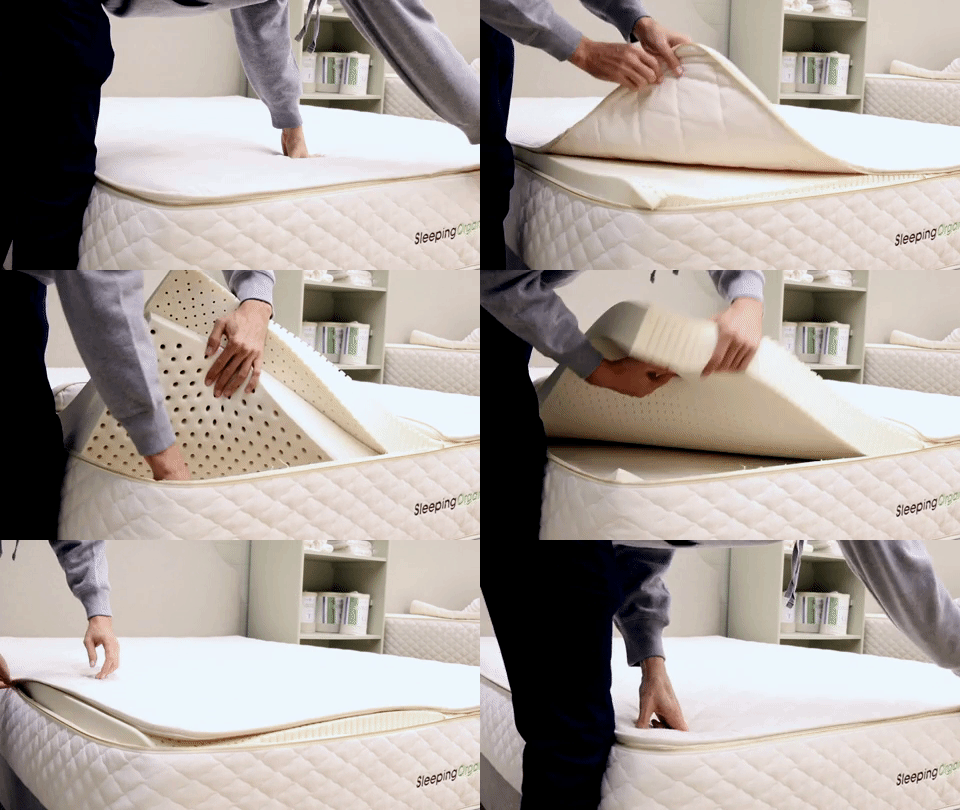
This is where the real benefit lies. A custom latex mattress with a zippered cover and unglued layers allows you to unzip the cover, remove the individual latex layers, and manipulate them in several ways:
This modular approach is something you simply cannot do with a glued mattress, a memory foam mattress, or a traditional innerspring bed.
There are three primary reasons to flip and rearrange your latex mattress layers:
Every mattress develops wear patterns over time based on where your body’s heaviest points (hips, shoulders) rest each night. The top comfort layer absorbs the most pressure and will eventually develop slight body impressions. Flipping and rotating this layer distributes the wear across the entire surface rather than concentrating it in one area.
Over time, a latex layer softens slightly from use. If your mattress starts to feel too soft, you can swap the top layer with the second layer to get a firmer feel on top. Conversely, if you want a softer surface. You can move a softer layer to the top position. This kind of firmness adjustment is built into the design of a modular latex mattress.
A latex mattress that is regularly maintained, layers flipped, rotated, and rearranged, will last significantly longer than one that is never touched. The comfort layers, which are typically the softest and wear the fastest, benefit the most from this maintenance. Regular rearrangement can add years to the mattress’s useful life.
Follow these steps every 3-6 months:
The entire process takes about 10-15 minutes. Having a partner helps with handling the layers, as latex is dense and heavier than synthetic foams.
| Maintenance Task | Frequency |
|---|---|
| Rotate the entire mattress 180 degrees (head to foot) | Every 3 months |
| Flip and rotate individual layers | Every 3-6 months |
| Swap top two layer positions | Every 6-12 months |
| Inspect layers for wear | Every 6 months |
If only one person sleeps on the mattress (especially on one side), rotating every 3 months is particularly important. The unused side of the mattress gets no wear at all, so rotating ensures both halves age evenly.
If your latex mattress has a non-removable cover or glued layers, your options are limited to rotating the entire mattress 180 degrees (swapping head and foot). You cannot access the individual layers to flip or rearrange them.
This is one of the key reasons to choose a mattress with a zippered, removable cover and unglued layers from the start. It gives you full control over maintenance, firmness adjustments, and layer replacement. Our Natural Latex Mattress, available as the Sapling (9″, 2 layers), Sprout (10″, 3 layers), or Tree (13″, 4 layers), is built with a fully removable organic cotton and wool cover and completely unglued layers.
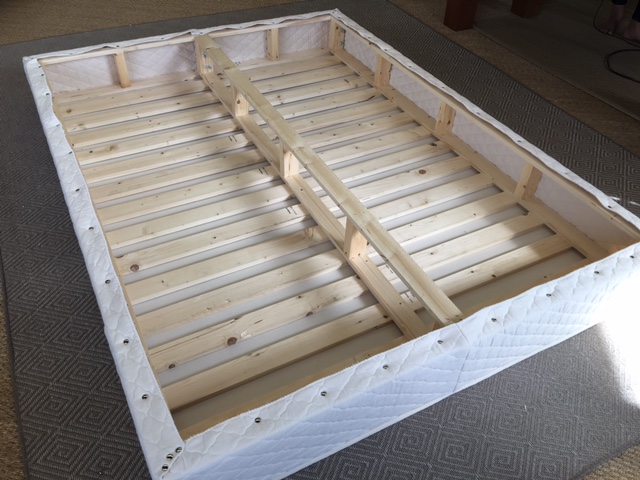
Proper maintenance goes beyond the mattress itself. The foundation your mattress sits on affects how evenly it wears. A solid wood foundation or a slatted base with slats no more than 3 inches apart provides consistent support across the entire mattress surface. An uneven or sagging foundation will cause the mattress to wear unevenly regardless of how often you flip and rotate the layers.
Our Organic Mattress Foundation is designed specifically for latex mattresses, with proper slat spacing and solid construction to maximize mattress lifespan.
For detailed maintenance instructions, read our full latex mattress care guide.
Only if the mattress has identical layers on the top and bottom. Most latex mattresses are designed with softer comfort layers on top and firmer support layers on the bottom. Flipping the whole mattress would put you sleeping on the firm support layer, which is uncomfortable. Instead, flip the individual layers inside the cover.
Flipping means turning the mattress (or a layer) upside down. Rotating means turning it 180 degrees so the head end becomes the foot end. Both are important for even wear distribution. With a modular latex mattress, you can do both to the individual layers.
Every 3-6 months is ideal. If you notice one area feeling softer than the rest. That is a sign it is time to flip and rotate your layers.
Yes. Swapping the positions of your top two layers can change the overall feel. If the second layer is firmer than the top layer, moving it to the top position will make the mattress feel firmer. This is one of the key advantages of a modular, unglued design.
Generally, no. The bottom layer is the firmest and densest layer in the mattress. It receives the least direct body pressure and wears the slowest. You can flip and rotate it occasionally (every 12 months or so), but it is far less critical than maintaining the upper comfort layers.
The comfort layers will develop body impressions faster, particularly where your heaviest body parts rest. The mattress will still last longer than most other mattress types, but regular maintenance can add several years to its lifespan and keep the sleep surface feeling consistent.