Have a saved cart?
Enter your email to restore it.

Proper latex mattress care extends the life of your investment and keeps it performing at its best. Natural latex is inherently durable, but like any premium material, it benefits from routine maintenance. These are the essential care practices every latex mattress owner should follow.
Rotate your mattress 180 degrees (head to foot) every 3 to 6 months. This distributes body weight wear evenly across the entire surface rather than concentrating it in the same zones night after night.
Heavier sleepers or couples should rotate closer to every 3 months. Lighter sleepers can stretch to 6 months. Set a reminder — most people forget this simple step, and it makes a measurable difference over the years.
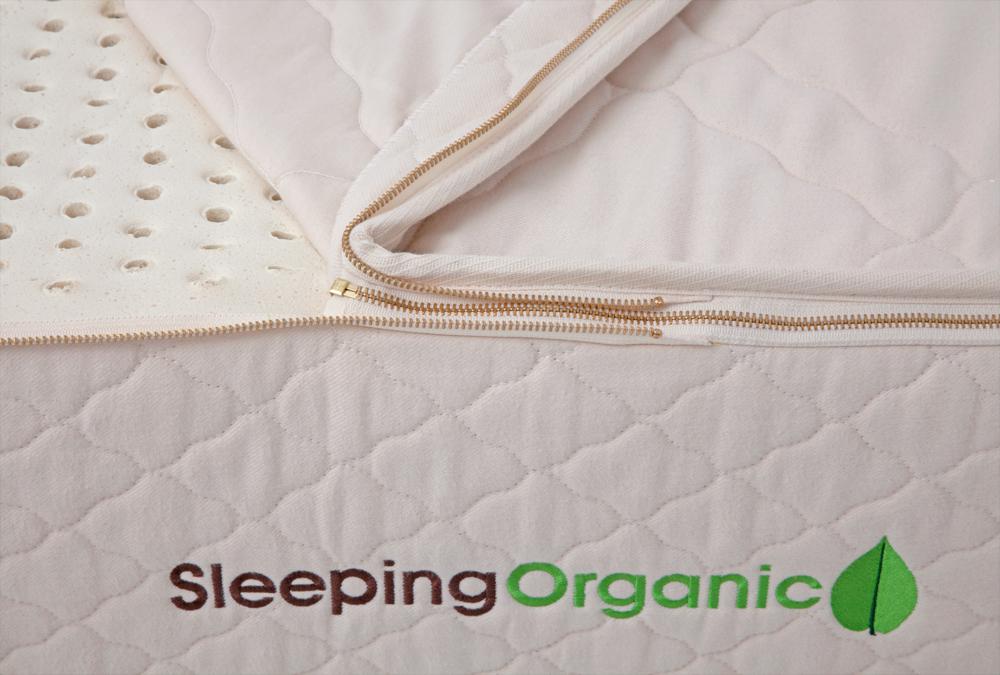
If your mattress uses a modular layer design (like our Sapling, Sprout, and Tree models), you can also rearrange or flip individual layers. Each latex layer can be flipped top-to-bottom to even out compression wear. This is a significant advantage over sealed mattresses where the comfort layer is permanently attached.
You can also swap layers between positions to adjust firmness or refresh the feel. For a detailed explanation, see our guide on flipping a latex mattress.
A waterproof, breathable mattress protector is the single best thing you can do to protect your latex. It guards against:
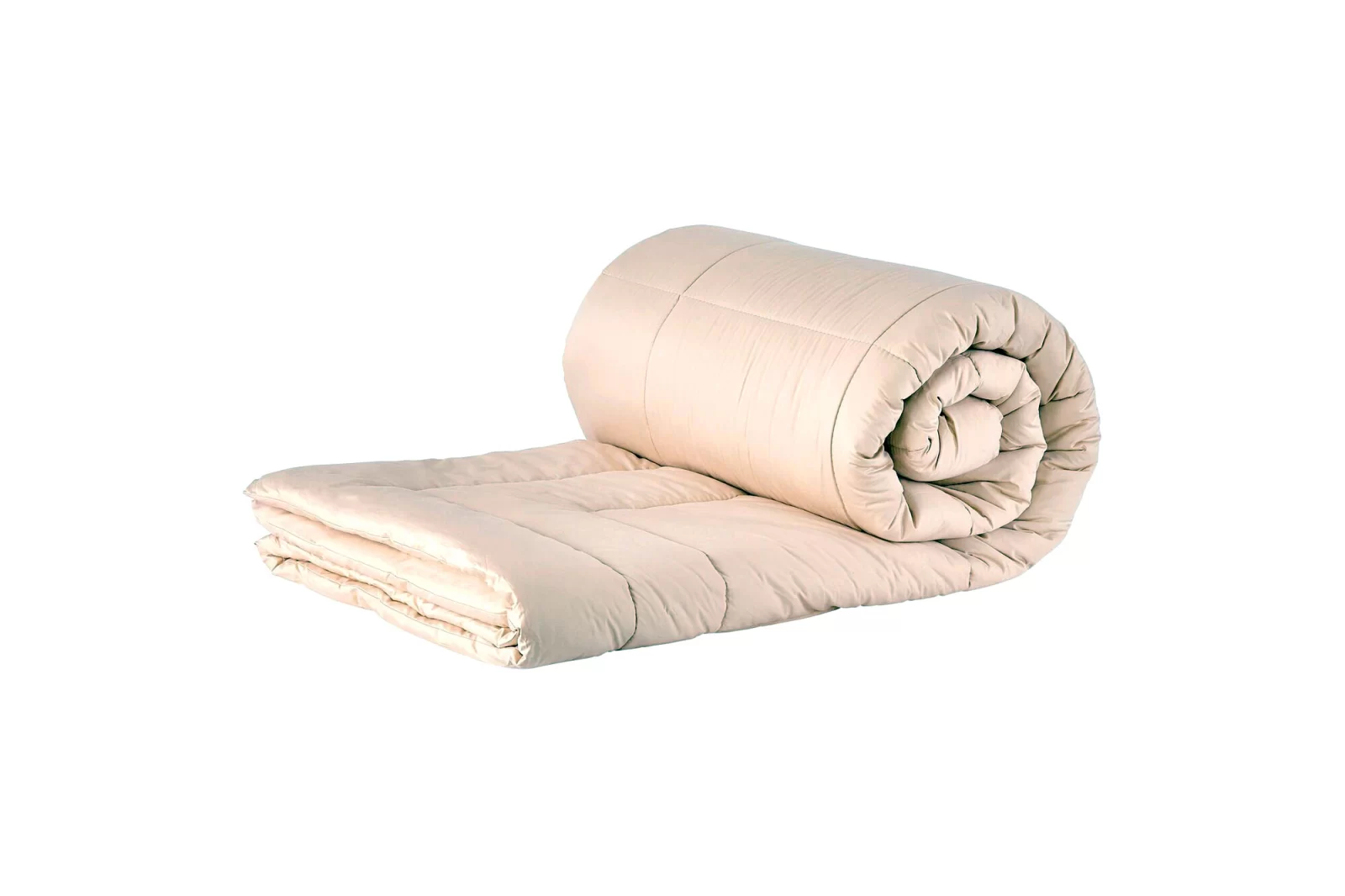
Choose a protector that is waterproof but breathable. Avoid vinyl or plastic protectors — they trap heat and moisture, defeating one of the key benefits of a natural latex mattress. Organic cotton protectors with a polyurethane membrane offer the best combination of protection and breathability.
Act quickly when spills happen. Here is the correct approach:
Never saturate latex with water. Never use harsh chemicals, bleach, or enzymatic cleaners directly on the latex. Never put latex in a dryer or use direct heat to speed drying.
Most organic mattress covers are removable and washable. Follow these guidelines:
Check the care tag on your specific cover for any additional instructions.
Your mattress foundation directly affects performance and longevity. A latex mattress requires:
Avoid traditional box springs with wire grids. They flex under weight, create uneven support, and can cause premature sagging. An organic mattress foundation is purpose-built for latex mattresses. Read our detailed foundation guide for all the options.
Do not use electric blankets or heating pads directly on or under the latex layers. Sustained direct heat degrades natural latex over time, making it dry, brittle, and less resilient. If you want extra warmth, place an electric blanket on top of your sheets and bedding, never between the mattress layers or directly on the latex surface.
Similarly, avoid placing your mattress in direct sunlight for extended periods. UV radiation breaks down natural rubber. Brief sun exposure for airing out is fine, but do not leave latex layers in sunlight for hours.
Natural latex is naturally resistant to mold and mildew, but it is not immune — especially in humid climates or when moisture is trapped. Prevention steps:
For more on this topic, read our guide on whether latex mattresses get moldy.
If you need to store your latex mattress or individual layers:
Every 3 to 6 months. Rotate head to foot (180 degrees). Heavier sleepers and couples should rotate closer to every 3 months. With modular layers, you can also flip individual layers top-to-bottom for additional wear distribution.
Use it on top of your sheets and bedding, not directly on the latex. Sustained direct heat breaks down natural rubber over time, reducing its elasticity and lifespan.
Mild soap and water only. Avoid bleach, hydrogen peroxide, harsh chemicals, and enzymatic cleaners. These can damage the latex’s cellular structure and void your warranty.
It is not recommended. Placing a mattress directly on the floor traps moisture underneath, which can lead to mold growth over time. Use a proper foundation or at minimum a slatted base that allows airflow.
Blot up as much liquid as possible immediately. Remove the cover and spot clean the latex with mild soap and a damp cloth. The critical step is allowing the latex to dry completely before re-covering — this may take 24 hours depending on humidity. A waterproof mattress protector prevents this from reaching the latex in the first place.
New natural latex has a mild, slightly sweet rubber scent that dissipates within a few days to two weeks. It is non-toxic and comes from the natural rubber itself, not from chemicals. Airing out the mattress in a well-ventilated room speeds up this process.