Have a saved cart?
Enter your email to restore it.


Mattress sagging is one of the most frustrating sleep problems, turning a once-comfortable bed into an uneven, unsupportive surface. If you are considering a latex mattress, you are probably wondering whether it will eventually sag like your old inner spring or memory foam mattress did. The short answer is that 100% natural latex mattresses are among the most sag-resistant mattresses available, but certain factors like latex type, firmness level, and foundation quality all play a role. Here is the complete picture.
Understanding why mattresses sag helps explain why latex performs so much better than other materials.
Every mattress material compresses under your body weight night after night. Over time, the repeated compression breaks down the cellular structure of the foam or padding. Lower-quality materials break down faster. Traditional inner spring mattresses are especially prone to this problem because the coils lose their tension and the foam comfort layers compress permanently within a few years.
Modern thick inner spring mattresses (13 to 17 inches) are particularly vulnerable. Manufacturers stretched coil units wider to meet demand for thicker profiles without adding more metal or reinforcing the coil structure. The result is a coil system that collapses much faster than older, more compact designs.
A mattress is only as good as what it sits on. An insufficient foundation allows the mattress to flex unevenly, concentrating stress in certain areas and accelerating sagging. This is true for every mattress type, including latex. A solid mattress foundation is essential for preventing premature sagging.
Your body releases moisture and heat every night. In memory foam and polyurethane foam mattresses, this trapped moisture and heat gradually break down the foam’s cellular structure. Natural latex is highly resistant to moisture and heat damage, which is one reason it outlasts synthetic foams by a wide margin.
Latex is made from natural rubber, the same material used in car tires and industrial applications where durability under constant stress is critical. Natural rubber has exceptional resilience, meaning it returns to its original shape after compression rather than developing permanent indentations. This is the fundamental reason why a 100% natural latex mattress resists sagging far better than memory foam, polyurethane foam, or inner spring alternatives.
Latex distributes body weight evenly across the entire sleeping surface rather than concentrating pressure in specific areas. This prevents the localized compression that causes sagging in other mattress types. The result is a sleeping surface that wears uniformly over its entire lifespan.

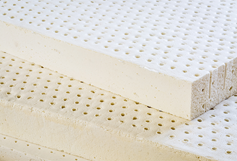
Unlike synthetic foams that degrade when exposed to body heat and moisture, natural latex is inherently resistant to both. The open-cell structure of latex allows air to circulate freely, preventing the heat and moisture buildup that accelerates material breakdown in other mattress types.
Quality matters significantly. A mattress made from 100% natural latex will resist sagging far longer than one made from synthetic latex blends. Synthetic latex contains less actual rubber, which means less resilience and a shorter lifespan. Always choose 100% natural or organic latex for maximum durability.
While latex is the most sag-resistant mattress material, it is not completely immune. Here are the conditions that can lead to sagging in a latex mattress:
The good news is that all of these factors are within your control.
Start with the right material. 100% natural latex has the highest rubber content and the greatest resilience against compression. Organic latex meets the same quality standard with the added assurance of third-party certification.
If longevity is your top priority, choose medium firm or firm latex layers. Firm and extra-firm latex layers have been documented in excellent condition after 20 or more years of nightly use. Avoid using soft layers throughout the entire mattress if maximum durability matters to you. A practical approach is using medium and firm layers with a single soft comfort layer on top.
Place your latex mattress on a sturdy mattress foundation or platform bed. If using a slatted frame, ensure slats are no more than three inches apart. A proper foundation distributes the weight of the mattress and sleepers evenly, preventing stress points that lead to sagging.
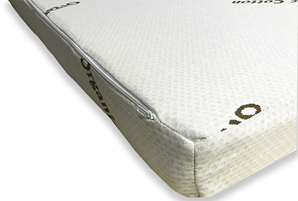
Every three to six months, unzip your mattress cover and rotate each individual latex layer 180 degrees. Flip each layer over as well. This distributes wear evenly across all surfaces and significantly extends the life of your mattress. This simple maintenance step is the most effective way to prevent sagging in any latex mattress.
If you want the soft, plush feel without subjecting your core mattress layers to excessive compression, add a natural latex topper. The topper absorbs the majority of surface compression while the firmer layers underneath maintain their structure. When the topper eventually wears out, replace just the topper rather than the entire mattress.
Latex contours to your body, providing targeted pressure relief at your shoulders, hips, and lower back. This makes it an excellent choice for side sleepers and anyone with chronic pain.
Natural latex is naturally hypoallergenic, resistant to dust mites, mold, and mildew. It does not off-gas harmful chemicals, making it one of the healthiest mattress materials available.
Natural latex is harvested from rubber trees without harming them, and it is biodegradable at end of life. Choosing a natural latex mattress is one of the most environmentally responsible bedding decisions you can make.
100% natural latex mattresses are highly resistant to sagging. Firm and medium firm configurations can last 20 or more years without significant sagging when paired with a proper foundation and regular layer rotation. Soft configurations and synthetic latex are more prone to compression over time.
A 100% natural latex mattress in a medium firm or firm configuration is the least likely mattress type to sag. The natural resilience of rubber allows it to return to its original shape after compression far better than memory foam, polyurethane foam, or inner spring coils.
If your latex mattress has a layered, zippered design, you can rotate and flip individual layers to redistribute wear. You can also move firmer bottom layers to the top or replace a single worn layer rather than the entire mattress. Check your foundation as well, since inadequate support is a common cause of sagging.
Yes, significantly. A proper foundation is essential for preventing premature sagging. Use a solid platform foundation or a slatted frame with slats spaced no more than three inches apart. An old box spring or a frame with widely spaced slats can cause the mattress to sag between support points.
Yes. Synthetic latex contains less natural rubber, which means less resilience and a shorter lifespan. Synthetic latex mattresses are significantly more likely to develop permanent indentations and sagging compared to 100% natural latex mattresses.
A well-maintained 100% natural latex mattress in a firm or medium firm configuration can last 15 to 20 years or more without significant sagging. Soft configurations may show some compression after 8 to 12 years, but individual layers can be replaced to extend the overall life of the mattress.