Have a saved cart?
Enter your email to restore it.

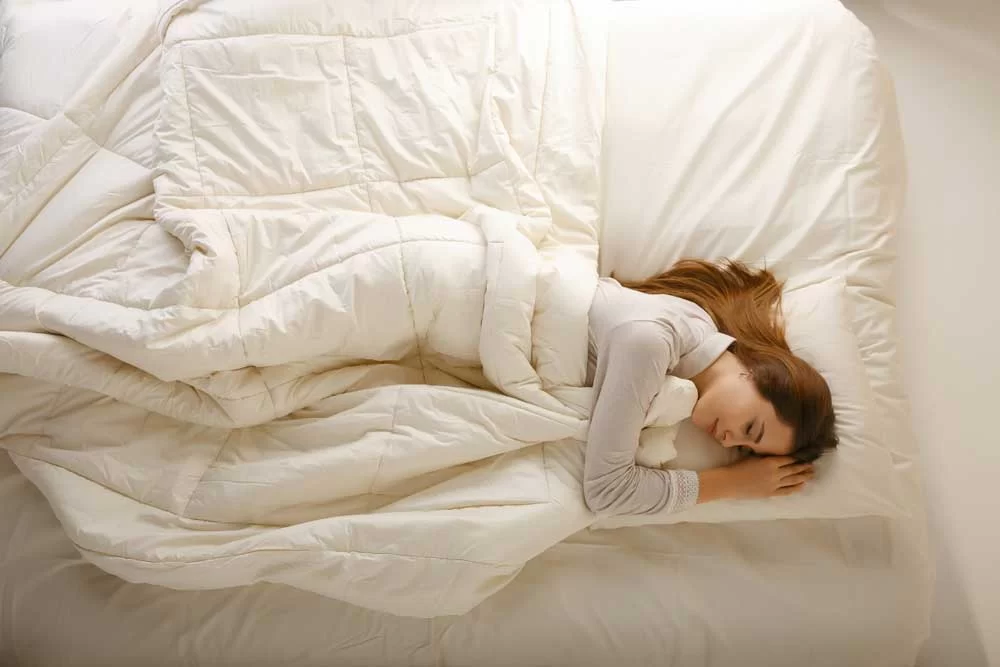
Buying a latex mattress is different from buying a memory foam or innerspring mattress. The materials, construction methods, and customization options vary widely between brands, and the wrong choice can mean spending $1,000+ on a mattress that doesn’t fit your body. This guide covers exactly what to evaluate so you pick the right one the first time.
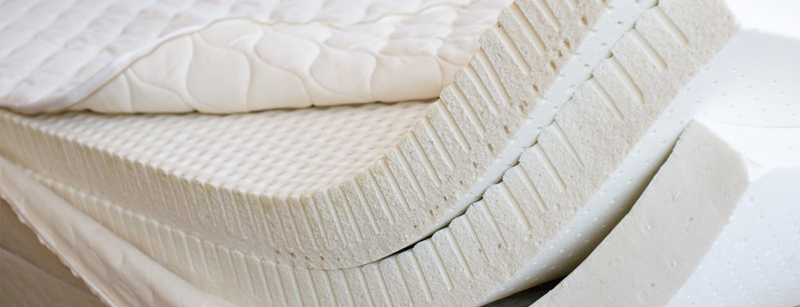
Every latex mattress uses one or both of these latex types. They feel different, perform differently, and cost differently.
Talalay latex is made by partially filling a mold with liquid latex, vacuum-sealing it to distribute the material evenly, then flash-freezing and baking it. The result is a lighter, more breathable, and more consistently textured foam. Talalay is bouncier and more responsive. It’s the preferred choice for comfort (top) layers.
Dunlop latex is made by pouring liquid latex into a mold and baking it in one step. The natural settling of particles creates a slightly denser bottom, making Dunlop firmer and heavier overall. It’s extremely durable and works best as a support (base) layer.
Many of the best latex mattresses combine both: Talalay on top for cushioning, Dunlop on the bottom for support. This gives you the responsive comfort of Talalay with the long-term durability of Dunlop.
This distinction matters more than most people realize.
If a brand doesn’t clearly state “100% natural” or “GOLS-certified organic,” assume the latex is blended or synthetic. Learn the difference between natural and organic latex here.
Latex firmness is measured in ILD (Indentation Load Deflection). Lower ILD = softer, higher ILD = firmer. A good latex mattress lets you choose firmness per layer, not just one overall firmness for the whole mattress.

General guidelines by sleep position:
Your weight matters too. A 130-lb side sleeper and a 220-lb side sleeper need very different firmness levels to achieve the same feel. This is why custom latex mattresses outperform fixed-firmness options.
Latex mattresses typically come in 2-layer, 3-layer, or 4-layer configurations:
The cover affects breathability, moisture management, and fire safety. Look for:
Avoid polyester covers or mattresses that use chemical fire retardants like boric acid or modacrylic fiber.
This is a critical detail most buyers overlook. Many latex mattresses glue their layers together permanently. This means:
A properly built latex mattress has unglued layers inside a zippered cover. This lets you swap, flip, or rearrange layers whenever your comfort needs change.
Third-party certifications are the only reliable way to verify material quality:
A mattress can claim to be “natural” without any certification. Learn what each certification actually means.
Watch out for these common issues:
The best latex mattress is one built specifically for your body. A custom organic latex mattress lets you choose the latex type, firmness, and number of layers, and adjust everything after purchase. Pair it with an organic foundation for proper support and an organic latex pillow to complete your sleep setup.
Not sure where to start? Chat with our sleep specialists, we’ll recommend the right configuration based on your body type, sleep position, and preferences.
It depends on your sleep position and weight. Side sleepers generally need softer top layers (ILD 19–22 or 30–32), back sleepers do well with medium (ILD 30–32), and stomach sleepers need firmer support (ILD 37–40). Heavier sleepers should go firmer than they think, a “medium” latex feels softer when you compress it more.
Neither is universally better, they serve different purposes. Talalay excels as a comfort layer (lighter, more responsive), while Dunlop is ideal for base layers (denser, more durable). The best mattresses use both.
Ask which supplier documentation applies to the latex and read the cover specification separately. A component certificate does not establish certification of the finished mattress.
Most organic latex mattresses are sold online and made to order. Look for brands with generous trial periods and comfort exchanges. At Sleeping Organic, our 365-day comfort program lets you swap layers if the firmness isn’t right. No need to return the whole mattress.
Yes. Latex provides consistent, responsive support that keeps your spine aligned without creating pressure points. Custom configurations are especially effective for back pain because you can target specific firmness where you need it. Read more about latex mattresses and back pain.