Have a saved cart?
Enter your email to restore it.

Natural latex vs organic latex is a distinction that matters more than most mattress shoppers realize. Both come from rubber trees, both are far superior to synthetic alternatives, and both are safe and durable. But “natural” and “organic” are not the same thing, and understanding the difference affects what you actually get inside your mattress — in terms of purity, environmental impact, and price.
This guide breaks down the real differences between natural latex and organic latex so you can make an informed decision when choosing a natural latex mattress.

The term “natural latex” is where confusion begins, because it is used two different ways in the mattress industry:
100% natural latex contains only rubber harvested from the rubber tree (Hevea brasiliensis) with no synthetic additives. The latex content is 100% plant-based rubber. This is a genuinely non-toxic, durable material.
“Natural latex” (without the 100%) may contain a blend of natural rubber and synthetic chemicals. A mattress labeled “natural latex” could contain as little as 60-80% actual tree rubber, with the remaining 20-40% being petroleum-based synthetic latex (styrene-butadiene rubber). This blending is common and legal — the product is “natural” because it contains natural materials, even though it also contains synthetics.
The critical distinction: only latex labeled 100% natural latex is guaranteed free of synthetic chemical additives.
Organic latex is 100% natural latex that has been certified organic by GOLS (Global Organic Latex Standard). This certification verifies that:
Here is something the marketing materials rarely tell you: all rubber trees — organic and conventional — are raised the same way during their initial growth period, which includes pesticide use to protect young trees from pests. Once the trees mature, the ones designated for organic certification are separated from the rest of the plantation. Pesticide application stops on these trees, and after several months, the soil is tested by certifying agents like Control Union to verify that pesticide levels have fallen below GOLS thresholds.
This means the practical difference between 100% natural latex and GOLS-certified organic latex is relatively small. Both are pure rubber from the same species of tree. The organic certification provides additional assurance about farming practices and pesticide levels, but the latex itself is functionally very similar.
Pesticides are used in rubber tree farming to protect against insects, mites, and fungal diseases. The environmental concern is valid — pesticides can contaminate soil and waterways around plantations, affecting local ecosystems.
However, by the time the raw latex is processed, washed, and manufactured into mattress foam, the pesticide residue in both natural and organic latex is negligible. The processing itself removes most contaminants. The organic certification provides an extra level of documented assurance, but 100% natural latex from reputable manufacturers is also very clean.
Pros:
Cons:
Pros:
Cons:
This is where buyers need to be most careful. A mattress labeled simply “natural latex” — without the “100%” qualifier — may contain a significant percentage of synthetic latex. Synthetic latex (styrene-butadiene rubber) is petroleum-based and can off-gas VOCs, which defeats the purpose of buying a natural mattress.
Blended latex can actually be more durable than 100% natural latex because the synthetic components resist breakdown. But for health-conscious buyers, the synthetic chemicals are precisely what you are trying to avoid. Always verify that the latex in your mattress is labeled 100% natural or GOLS certified organic.
The only organic certification specific to latex. Verifies organic farming, sustainable processing, and fair labor. If the latex in your mattress carries GOLS certification, it meets the highest standard available for organic latex.
Tests finished products for harmful substances. Not an organic certification, but it verifies that the product does not contain harmful levels of chemicals. Useful as a baseline safety standard.
Both 100% natural and certified organic latex are used across the full range of sleep products:
For the full sleep setup, pair with an organic mattress foundation to ensure proper support and airflow beneath the mattress.
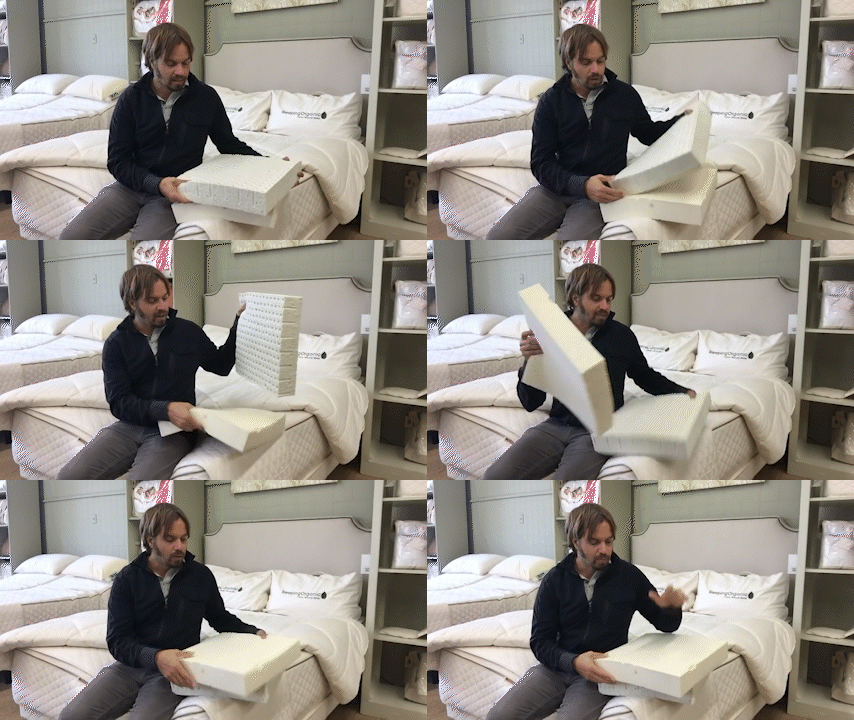
If budget is not a concern and you want maximum third-party verification, choose GOLS-certified organic latex. You are getting documented proof of organic farming practices, sustainable processing, and fair labor.
If you want the same quality material at a lower price, 100% natural latex from a reputable manufacturer is an excellent choice. The latex itself is functionally identical — the main difference is the certification documentation.
What you should avoid regardless of budget: any latex product that is not labeled “100% natural” or “GOLS certified organic.” Without those designations, the latex may contain synthetic chemicals that undermine the health benefits of choosing a natural mattress.
For more information, visit our detailed guide on why to buy an organic mattress.
Build Your Own Organic Latex Mattress
Choose 100% natural Talalay, Dunlop, or GOLS-certified organic latex — per layer. Customize firmness, thickness, and materials to match your sleep style.
Organic latex and 100% natural latex are very similar materials. The primary difference is that organic latex carries GOLS certification verifying organic farming practices and low pesticide residue. The latex itself — in terms of comfort, durability, and hypoallergenic properties — is functionally the same. Organic costs more due to the certification premium.
GOLS (Global Organic Latex Standard) is the only organic certification specific to latex. It verifies that the rubber was harvested from trees grown without synthetic pesticides during the certified period, processed without harmful chemicals, and produced under fair labor conditions. The soil is independently tested to confirm pesticide levels below certified thresholds.
Yes. 100% natural latex is one of the safest mattress materials available. It is hypoallergenic, dust mite resistant, mold resistant, and contains no synthetic chemicals or VOCs. It is safe for adults, children, and infants. The only exception is individuals with a severe Type I latex allergy, who should consult their doctor.
The organic certification process is expensive. Manufacturers must certify every facility in their supply chain and pay annual premiums to maintain GOLS certification. These costs are passed to the consumer, typically adding 20-40% to the mattress price. The raw material itself is not significantly more expensive to produce.
Yes. A product labeled “natural latex” (without “100%”) can legally contain a blend of natural rubber and synthetic latex. Some blends contain as little as 60% natural rubber with 40% petroleum-based synthetic additives. Always look for “100% natural latex” or “GOLS certified organic latex” to ensure no synthetics.
Neither is universally better — they serve different purposes. Dunlop is denser, firmer, and more durable, making it ideal for support layers. Talalay is softer, lighter, and more consistent, making it ideal for comfort layers. The best latex mattresses combine both types for optimal support and comfort.