Have a saved cart?
Enter your email to restore it.

A hybrid latex mattress combines a latex comfort layer with a pocketed coil support system. It’s a practical option for sleepers who want the pressure relief and breathability of natural latex without the full cost of an all-latex mattress, or who prefer the feel of coil support beneath them. Here’s what the construction actually delivers and where its tradeoffs lie.
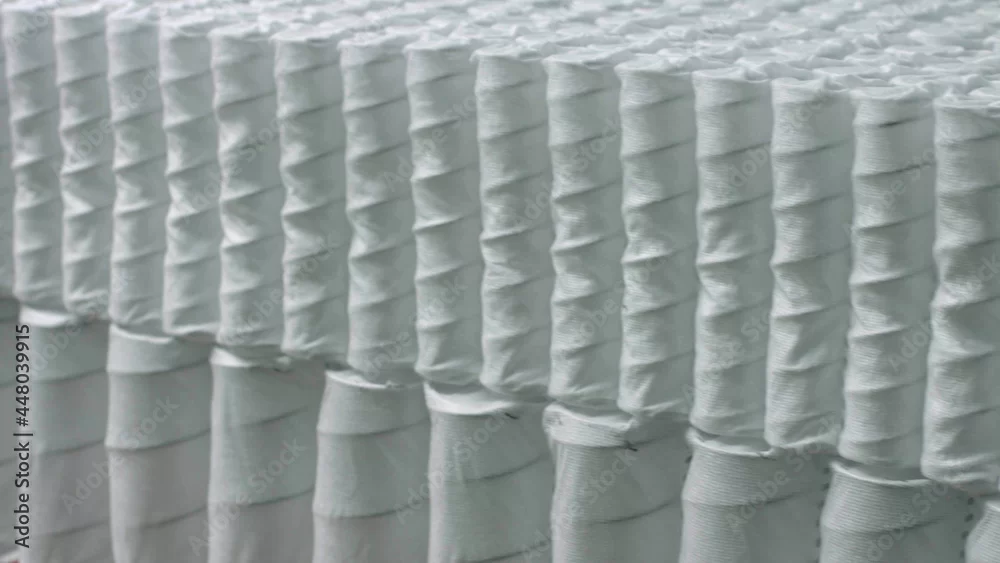
In a hybrid configuration, individually wrapped pocketed coils form the support core. Unlike traditional innerspring systems where coils are connected and move as a unit, pocketed coils are independent, each one compresses and rebounds on its own. This allows more precise contouring to body shape and significantly reduces motion transfer between sleeping partners.
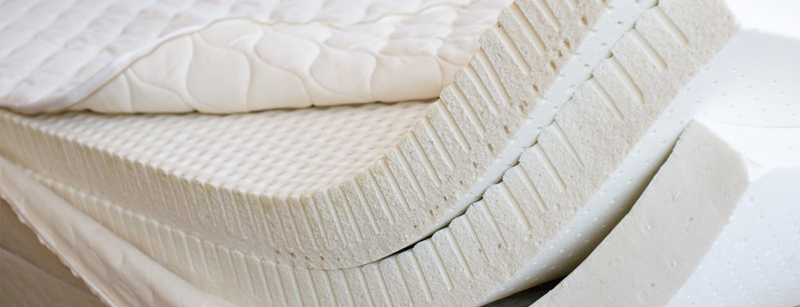
The latex comfort layer sits above the coil system. This layer, typically two to four inches of natural latex, provides pressure relief at the shoulders, hips, and other contact points. It also adds the temperature-neutral breathability that latex is known for, which pocketed coils alone can’t provide.
An all-latex mattress uses multiple layers of latex to create both the comfort and support zones. It tends to have a more consistent feel throughout the mattress and a longer lifespan. A hybrid trades some of that consistency and longevity for a different feel, coils provide a bouncier, more traditional “spring” sensation that some sleepers prefer, and typically at a lower price point.
Motion isolation is generally better in an all-latex mattress because latex absorbs movement more completely than a coil system. Edge support is often better in a hybrid, as the coil perimeter provides more stable edge structure than foam or latex alone.
For a detailed comparison of latex against traditional innerspring construction, see latex mattresses vs. innerspring mattresses.
Hybrid configurations work well for:
In a hybrid mattress, the latex layer is the component that touches you most directly, and where quality variation has the greatest impact. A thin latex layer over a coil system delivers only partial pressure relief. A low-quality latex layer (or a synthetic latex blend marketed as natural) won’t provide the durability or breathability that makes latex worth choosing.
The coil system quality also varies significantly. Individually pocketed coils with a high coil count provide more precise response and better longevity than connected or low-count systems. The gauge of the wire affects both feel and durability.
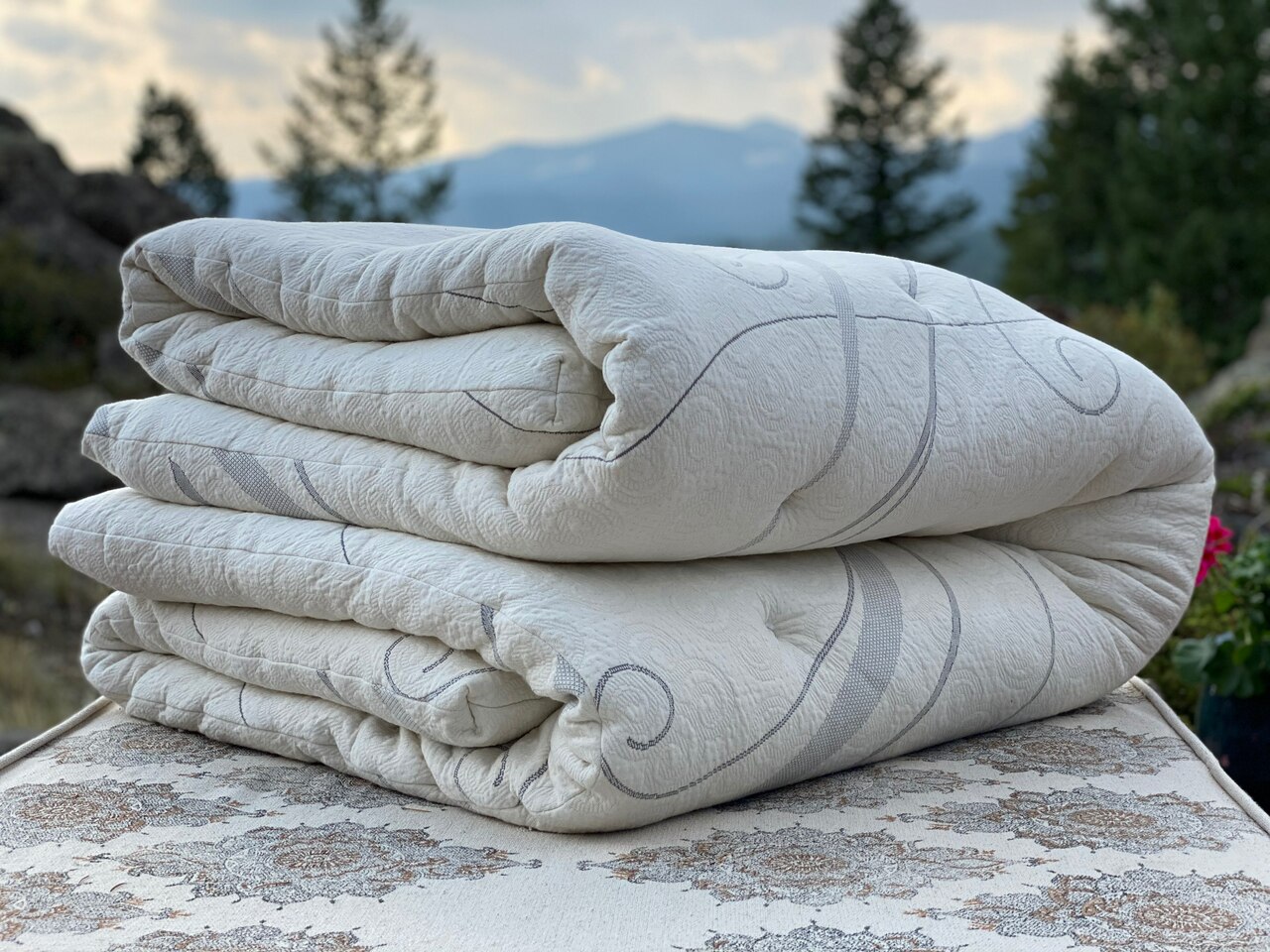
A hybrid can incorporate organic materials in the latex layer and in the cover. Natural latex, organic wool batting, and an organic cotton cover can all be used in hybrid construction. What typically can’t be certified organic is the coil system itself, metal is not an organic material category, but the surrounding components can be.
For a more comprehensive look at hybrid construction options, see our detailed post on hybrid latex mattress configurations. If you decide an all-latex solution fits your needs better, our Natural Latex Mattress is configurable to your preferred firmness. Complete your sleep setup with a natural shredded latex pillow and a solid organic mattress foundation for optimal support.
Neither is universally better. All-latex mattresses provide more consistent support, better motion isolation, and longer lifespan. Hybrid latex mattresses offer a bouncier feel, often better edge support, and typically a lower price. The right choice depends on your sleep preferences, body type, and budget.
The coil system in a hybrid allows significant airflow through the support core, and latex is more thermally neutral than memory foam. Hybrids generally sleep cooler than all-foam mattresses and are comparable to all-latex options in temperature regulation.
Quality hybrid mattresses typically last 8 to 12 years, longer than all-foam options but generally shorter than all-latex mattresses. The limiting factor is usually the coil system, which fatigues over time, rather than the latex comfort layer.
At minimum two inches of latex provides some pressure relief, but three to four inches delivers the full contouring benefit. Thinner latex layers allow the coil system to be felt more directly beneath the comfort layer, which some sleepers prefer and others find uncomfortable.
Yes. A natural latex topper can add pressure relief and breathability to an existing innerspring mattress, essentially creating a hybrid feel without replacing the mattress. This works best when the underlying mattress still has structural integrity, a topper can’t compensate for a sagging or broken coil system.
A flat, sturdy surface with slats no more than 3 inches apart, or a solid platform foundation. An organic mattress foundation provides consistent support and prevents sagging that can shorten coil lifespan.