Have a saved cart?
Enter your email to restore it.

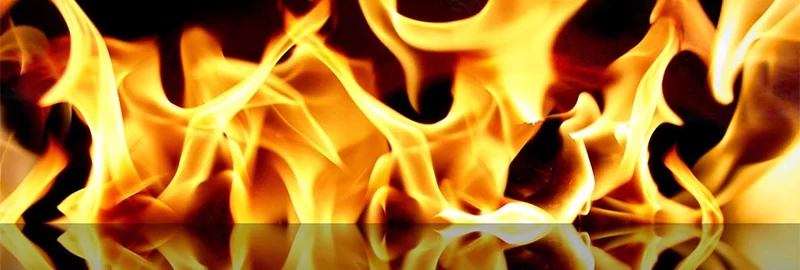
Every mattress sold in the United States must pass federal flammability testing under 16 CFR 1633. This is a legitimate safety regulation, it ensures mattresses resist open-flame ignition and limits fire spread. The problem is how most mattresses meet this standard. Conventional mattresses rely on chemical fire retardants that have been linked to serious health concerns. Organic latex mattresses use a completely different approach: wool, a natural fiber that is inherently flame resistant.
The Consumer Product Safety Commission (CPSC) requires all mattresses to withstand exposure to an open flame for a specified duration without igniting. This standard was implemented in 2007 and has been credited with reducing mattress fire deaths. The regulation does not specify how manufacturers must achieve compliance, it only requires that the mattress pass the test.
This distinction matters. The regulation gives manufacturers a choice: use chemical fire retardants, or find a non-chemical method to pass the same test. Most conventional manufacturers chose chemicals because they are cheaper and easier to apply. Organic mattress manufacturers chose wool.
Conventional mattresses typically use one or more of the following chemical fire retardants:
These chemicals are not contained behind a sealed barrier. They are applied directly to the fabrics and foams you sleep on. Over time, they migrate out of the materials through off-gassing (releasing volatile compounds into the air) and direct contact with skin and bedding.
Research on chemical fire retardants has raised consistent concerns across multiple categories:
Endocrine disruption: Several classes of fire retardants interfere with hormone function, particularly thyroid hormones. Brominated and organophosphate retardants have been shown to disrupt endocrine systems in both animal and human studies.
Cancer risk: Antimony trioxide is classified as a possible human carcinogen. Some brominated retardants have been linked to increased cancer risk in epidemiological studies. The concern is cumulative exposure, small amounts over thousands of hours of sleep.
Respiratory effects: Off-gassing from chemical retardants releases volatile organic compounds that can irritate the respiratory system. People with asthma, chemical sensitivities, or compromised immune systems may be particularly affected.
Reproductive and developmental effects: Some fire retardant chemicals have been associated with reduced fertility and developmental effects in children. These findings have driven regulatory action in several states and the European Union.
The challenge is that you cannot smell, see, or feel these chemicals. They are present in the mattress from day one and continue to off-gas at decreasing rates over the life of the mattress. Your exposure is constant, seven to nine hours per night, every night, for years.
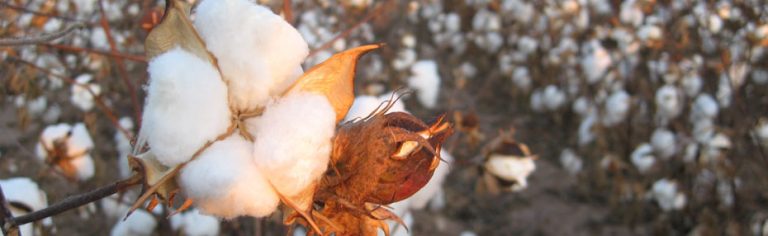
Wool is a naturally flame-resistant fiber. Its protein structure (keratin) contains nitrogen and sulfur, which make it difficult to ignite. When wool is exposed to flame, it chars and self-extinguishes rather than melting or sustaining combustion. It does not drip, does not spread fire, and does not release toxic fumes when it burns.
These properties make wool an effective fire barrier in mattresses, effective enough to pass the same 16 CFR 1633 open flame test that chemical retardants are designed to meet. A properly constructed wool batting layer, quilted into the mattress cover, provides all the fire resistance the federal standard requires without any chemical additives.
This is not a compromise or a workaround. Wool genuinely outperforms chemical barriers in several respects: it does not degrade over time (chemicals can break down and lose effectiveness), it does not off-gas, and it provides additional benefits beyond fire safety, including moisture management and temperature regulation.
An organic latex mattress uses wool as its fire barrier within a three-material system. The organic cotton outer cover provides the soft, breathable sleep surface. The organic wool batting layer beneath it provides fire resistance, moisture wicking, and temperature regulation. The organic latex core provides support and pressure relief.
No chemical fire retardants are used anywhere in this system. No boric acid. No antimony. No synthetic barrier fabrics. The mattress passes federal flammability testing entirely through the natural properties of wool.
This approach works because each material contributes specific performance benefits. The cotton cover is breathable enough to allow the wool to interact with moisture and air. The wool layer is thick enough to provide complete fire protection while remaining comfortable. The latex core does not require chemical treatment because it is protected by the wool barrier above it.
For more on the health safety of latex mattresses overall, see our guide on health concerns with latex mattresses.
Federal law requires mattresses to carry a flammability compliance label, but it does not require manufacturers to disclose which fire retardant method they use. This makes it difficult to know what is in a conventional mattress without asking directly.
Here is what to look for:
Off-gassing refers to the release of volatile organic compounds (VOCs) from mattress materials into the surrounding air. Chemical fire retardants are a significant source of off-gassing, along with synthetic foams and adhesives.
New conventional mattresses often have a noticeable chemical smell. That is off-gassing you can detect. But off-gassing continues at lower levels long after the initial smell fades. Studies have detected flame retardant compounds in household dust, indicating that these chemicals migrate from mattresses and other treated furniture into the living environment continuously.
An organic latex mattress with wool fire protection eliminates this exposure pathway entirely. There are no chemical retardants to off-gas. The natural rubber scent of new latex dissipates within a few days and contains no harmful VOCs. Learn more in our article on latex mattress off-gassing.
The flammability performance of mattresses is regulated (16 CFR 1633), but the specific chemicals used to achieve compliance are largely unregulated at the federal level. Some states, notably California, have restricted certain flame retardant chemicals, but there is no federal ban on the most commonly used compounds in mattresses. Manufacturers are not required to disclose which chemicals they use.
Yes. Wool meets the same federal flammability standard that chemical retardants are designed to pass. A properly constructed wool batting layer provides complete compliance with 16 CFR 1633 without any chemical assistance. Wool actually has advantages over chemical barriers, it does not degrade over time, does not off-gas, and provides additional comfort benefits.
No. Chemical fire retardants are embedded in the fabrics and foams at the manufacturing level. They cannot be washed out, extracted, or neutralized after the fact. If your current mattress contains chemical fire retardants, the only way to eliminate the exposure is to replace it with a mattress that uses a non-chemical fire barrier.
The concern is not a single exposure but cumulative exposure over years of nightly use. You sleep on your mattress for seven to nine hours per night, every night, for 10 to 20 years. The total exposure time is measured in tens of thousands of hours. Even low-level chemical exposure becomes significant at that scale, particularly for children, pregnant women, and people with chemical sensitivities.
Absolutely. Organic mattresses must pass the exact same 16 CFR 1633 open flame test as any other mattress. They simply use wool instead of chemicals to meet the standard. There is no exemption or different standard for organic mattresses, they must comply with the same federal safety requirements.
Cost. Chemical fire retardant treatments and synthetic barrier fabrics are significantly cheaper than quality wool batting. Applying a chemical treatment to existing materials costs very little per mattress. Sourcing, processing, and integrating a wool layer adds meaningful cost. Most conventional manufacturers prioritize the lowest possible production cost, which makes chemical retardants the default choice.