Have a saved cart?
Enter your email to restore it.

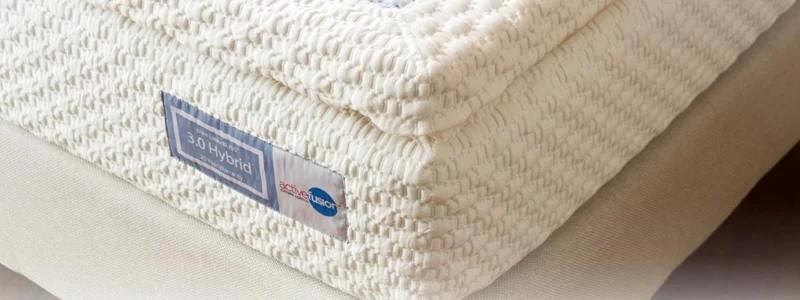
Not all latex mattresses are created equal. The type of latex inside your mattress, whether synthetic, natural, or organic, directly affects its durability, comfort, health safety, and environmental impact. Understanding these differences is essential because misleading labeling in the mattress industry makes it easy to pay for natural latex and receive a synthetic blend instead.
Synthetic latex, also known as styrene-butadiene rubber (SBR), is a petroleum-based material manufactured through a chemical process called polymerization. Styrene and butadiene are combined, emulsified with soap and water, and polymerized using chemical catalysts. The result is a foam that mimics some properties of natural latex but differs significantly in composition and performance.
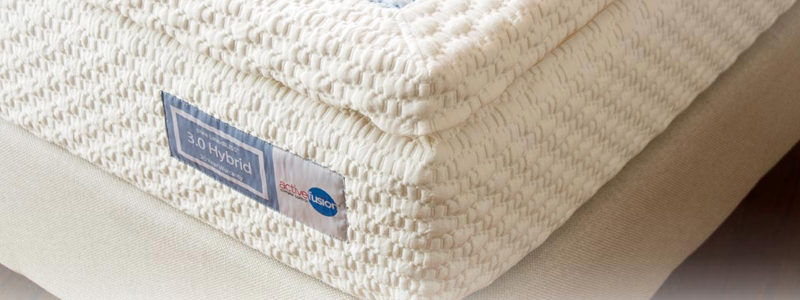
This is where the mattress industry gets confusing and, frankly, misleading. The term “natural latex” does not necessarily mean the latex is purely natural. In the mattress industry, manufacturers can label latex as “natural” even when it contains a significant percentage of synthetic material.
A mattress marketed as a “natural latex mattress” might contain anywhere from 10% to 90% synthetic latex blended with natural rubber. There is no strict regulation requiring manufacturers to disclose the exact ratio. This means a cheap “natural latex” mattress could be mostly synthetic with just enough natural rubber to justify the label.
The key takeaway: If a mattress is labeled “natural latex” without the “100%” qualifier, assume it contains some percentage of synthetic material. The lower the price compared to competitors, the higher the synthetic content is likely to be.
100% natural latex is made entirely from the sap of rubber trees (Hevea brasiliensis) without any synthetic fillers, petroleum-based chemicals, or blending agents. The sap is harvested by tapping the bark of rubber trees, similar to how maple syrup is collected, and then processed into foam through either the Dunlop or Talalay method.
100% natural latex is available in both Dunlop and Talalay processing. Both methods produce excellent mattress foam, but they have different characteristics. Dunlop tends to be denser and firmer, while Talalay is lighter and more uniform in feel.

Organic latex is 100% natural latex that carries GOLS (Global Organic Latex Standard) certification from Control Union, an independent certifying body. GOLS certification verifies that:
GOLS certified organic latex is only available in the Dunlop process. If you want organic Talalay latex, it does not currently exist because the Talalay process has not been GOLS certified.
Organic latex is the top choice for people who are chemically sensitive, have environmental concerns, or simply want the highest-quality, most thoroughly vetted latex available. Sleeping Organic offers custom mattresses built with GOLS certified organic Dunlop latex sourced from certified organic latex farms.
| Feature | Synthetic (SBR) | “Natural” (Blended) | 100% Natural | Organic (GOLS) |
|---|---|---|---|---|
| Material source | Petroleum | Petroleum + rubber sap | Rubber tree sap | Organic rubber tree sap |
| Durability | 5-7 years | 7-12 years | 15-20+ years | 15-20+ years |
| Off-gassing | Yes | Some | No | No |
| Chemical-free | No | No | Yes | Yes (certified) |
| Biodegradable | No | Partially | Yes | Yes |
| Processing methods | Dunlop or Talalay | Dunlop or Talalay | Dunlop or Talalay | Dunlop only |
| Price range | $ | $$ | $$$ | $$$$ |
| Certification | None | None | None required | GOLS certified |
The latex mattress market is filled with vague claims and misleading terminology. Here is how to protect yourself:
The upfront cost of a 100% natural or organic latex mattress is higher than synthetic alternatives, but the long-term value is significantly better. A quality natural latex mattress lasts two to three times longer than a synthetic one, meaning you replace it less often. You also avoid sleeping on petroleum-derived chemicals every night for years, which is especially important for people with allergies, asthma, or chemical sensitivities.
When you pair a natural latex mattress with a natural latex pillow and an organic mattress foundation, you create a complete sleep system free from synthetic materials and harmful chemicals.
No. “Natural latex” in the mattress industry can contain a blend of natural and synthetic materials. Only “100% natural latex” guarantees the product is made entirely from rubber tree sap without synthetic fillers. Always look for the “100%” qualifier when shopping.
All organic latex is 100% natural latex, but not all 100% natural latex is organic. Organic latex carries GOLS certification, which verifies that the rubber trees were organically grown and the manufacturing process met strict organic standards. The latex itself is materially the same, but organic adds third-party verification.
A 100% natural latex mattress typically lasts 15 to 20+ years, while a synthetic latex mattress lasts approximately 5 to 7 years. Natural latex is inherently more durable because its molecular structure is stronger and more resilient than petroleum-based alternatives.
Yes. Synthetic latex is made from petroleum-based chemicals that can release volatile organic compounds (VOCs) into your bedroom air. These off-gassing chemicals may produce noticeable odors and can be problematic for people with chemical sensitivities or respiratory conditions.
The GOLS certification process has only been applied to the Dunlop manufacturing method. The Talalay process involves additional steps that have not been certified under GOLS standards. If organic certification is important to you, choose Dunlop latex for your mattress layers.
Blended latex mattresses are generally considered safe for most people, but they contain synthetic chemicals that some individuals may be sensitive to. If you have allergies, asthma, or chemical sensitivities, a 100% natural or GOLS certified organic latex mattress is the safer choice.