Have a saved cart?
Enter your email to restore it.


An organic latex mattress is built from three core materials: organic latex, organic cotton, and organic wool. Each serves a distinct purpose, and together they create a mattress that is healthier, more comfortable, and more durable than anything made with conventional or synthetic materials. Choosing organic is not just about avoiding toxins — it is about investing in materials that are rigorously certified, sustainably produced, and designed to support better sleep for 15 to 20 years.
This guide explains the specific benefits of each organic material used in a latex mattress, why certifications matter, and how organic bedding reduces your exposure to harmful chemicals.
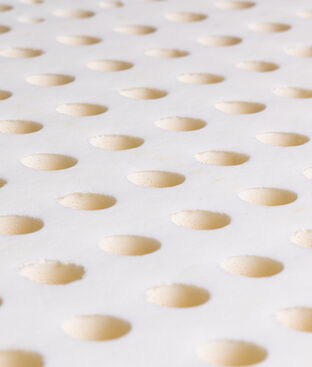
Organic latex is harvested from the sap of rubber trees (Hevea brasiliensis) grown on certified organic plantations. The sap is processed into foam using either the Dunlop or Talalay method, creating a resilient, responsive material that provides both pressure relief and spinal support. GOLS-certified organic latex must contain at least 95% organic raw material and meet strict limits on chemical additives.

The outer cover of an organic latex mattress is typically made from organic cotton. Unlike conventional cotton — which is one of the most pesticide-intensive crops in the world — organic cotton is grown without synthetic pesticides, herbicides, or genetically modified seeds. The result is a soft, breathable fabric that is gentle against skin and free from chemical residues.
Organic wool serves as the natural fire barrier in certified organic mattresses. A tightly woven layer of wool naturally self-extinguishes, allowing manufacturers to meet federal flammability standards (16 CFR 1633) without using chemical flame retardants. Organic wool also wicks moisture away from your body, helping regulate temperature throughout the night.
Conventional mattresses often contain polyurethane foam, synthetic adhesives, and chemical flame retardants that off-gas volatile organic compounds (VOCs) into your bedroom air. You spend roughly one-third of your life in bed, and that prolonged exposure adds up. An organic latex mattress eliminates these synthetic materials entirely, creating a cleaner breathing environment while you sleep.
Chemical flame retardants used in conventional mattresses have been linked to endocrine disruption, developmental issues, and increased cancer risk. Organic mattresses use wool as a natural fire barrier instead, meeting the same safety standards without any chemical additives.
Organic latex is naturally resistant to dust mites, mold, and mildew — three of the most common bedroom allergens. Organic cotton and wool are also naturally breathable, which inhibits the damp conditions that allergens thrive in. For allergy sufferers or people with respiratory sensitivities, this makes a meaningful difference in sleep quality.

Organic farming practices build healthier soil, use less water, and avoid the synthetic fertilizers and pesticides that contaminate groundwater and harm ecosystems. Research from the Rodale Institute shows that organic farming practices can sequester significantly more carbon in the soil than conventional methods, helping combat climate change.
When an organic latex mattress reaches the end of its lifespan, every component — latex, cotton, and wool — is biodegradable. Conventional mattresses made with synthetic foams and polyester can take hundreds of years to decompose in a landfill. Choosing organic means your mattress does not become a long-term waste problem.
Rubber trees produce latex sap for 25 to 30 years without being cut down. Cotton and wool are renewable annual or seasonal resources. The entire supply chain for an organic mattress is based on materials that can be replenished naturally, unlike the petroleum used to produce synthetic foams.
The word “organic” is regulated by federal standards, but “natural” is not. Understanding the difference between certifications helps you avoid misleading marketing claims:
Always check for these certifications when shopping. A mattress labeled “natural” without third-party certification may still contain blended synthetic materials or chemical additives.
An organic mattress is only as clean as its least organic component. Confirm that the latex, cotton, and wool all carry individual certifications. Some brands use organic cotton covers but fill the mattress with blended latex — read the specifications carefully.
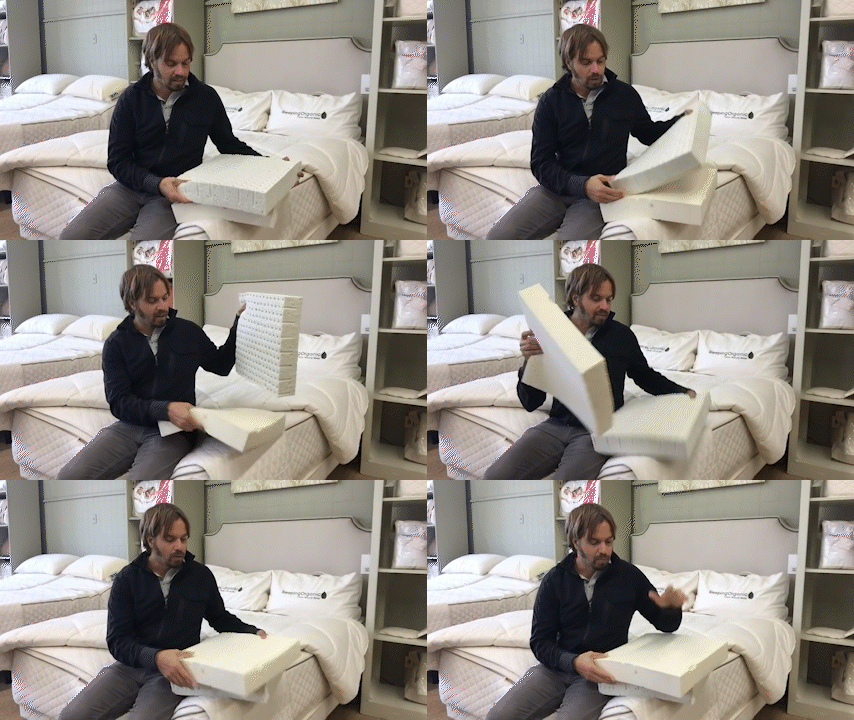
Organic latex mattresses come in a range of firmness options. A custom latex mattress with interchangeable layers lets you adjust firmness to match your sleeping position and body weight without buying a new mattress.
Pair your organic mattress with an organic mattress foundation made from sustainably harvested wood. This ensures your entire sleep setup is free from synthetic materials and provides the solid support that latex mattresses need.
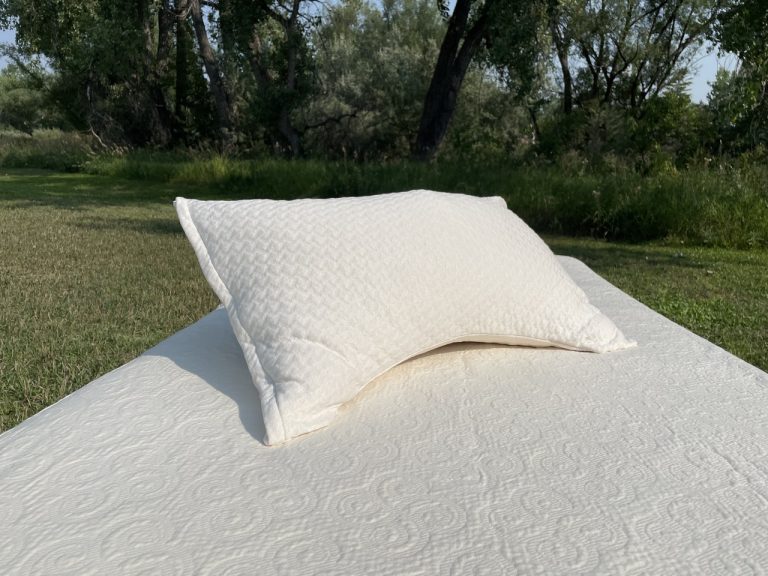
Extend the benefits of organic materials to your pillow and bedding. A natural shredded latex pillow provides adjustable, chemical-free head and neck support that complements your organic mattress.
In a latex mattress, “organic” means the latex, cotton, and wool components are grown and processed according to strict federal and international standards (GOLS) that prohibit synthetic pesticides, chemical fertilizers, and harmful additives. Each material must be independently certified by accredited third-party organizations.
Yes. Organic latex mattresses last 15 to 20 years — roughly twice as long as conventional mattresses. When you calculate the cost per year of use and factor in the health and environmental benefits, organic mattresses represent strong long-term value.
Natural latex means the latex is derived from rubber tree sap rather than petroleum. Organic latex meets that same standard plus carries GOLS certification, which verifies organic farming practices, limits chemical additives, and audits the entire production chain. Learn more about natural vs. organic latex.
Organic mattresses are among the safest options for children because they contain no chemical flame retardants, no synthetic off-gassing foams, and no pesticide residues. Children are more vulnerable to chemical exposure than adults, making organic materials especially important for their sleeping environment.
New organic latex mattresses may have a mild, natural rubber scent that dissipates within a few days. This is not off-gassing in the traditional sense — it contains no harmful VOCs. Unlike memory foam mattresses, which can off-gas chemical odors for weeks, organic latex has virtually no chemical smell.
Use a breathable mattress protector, rotate the latex layers every 3 to 6 months, and keep the mattress on a sturdy, well-ventilated foundation. Avoid direct sunlight exposure, which can degrade natural latex over time. With proper care, your organic mattress will maintain its comfort and support for nearly two decades.