Have a saved cart?
Enter your email to restore it.

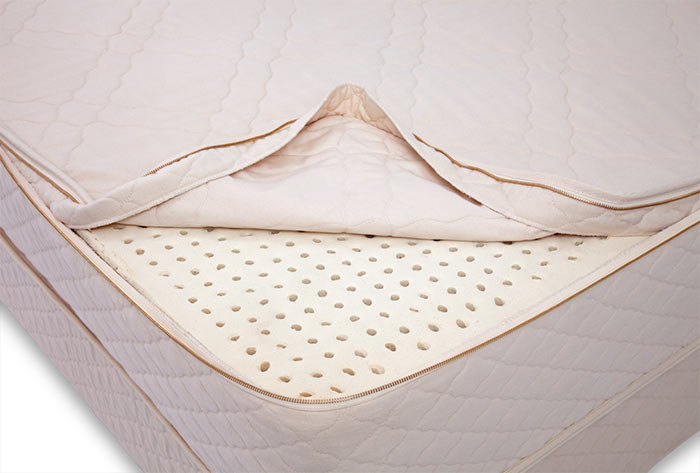
An organic latex mattress is one of the best mattress options for people dealing with back pain. It provides responsive pressure relief that distributes body weight evenly, customizable firmness that can be tailored to your specific body type, and consistent support that does not degrade over time. If you wake up stiff and sore and the pain eases after you have been moving for a while, your current mattress is likely contributing to the problem.
The connection between mattress quality and back pain is well established. A natural latex mattress addresses back pain through proper spinal alignment and targeted pressure relief, not by being uniformly “firm” or “soft,” but by supporting each part of your body with the right amount of give.
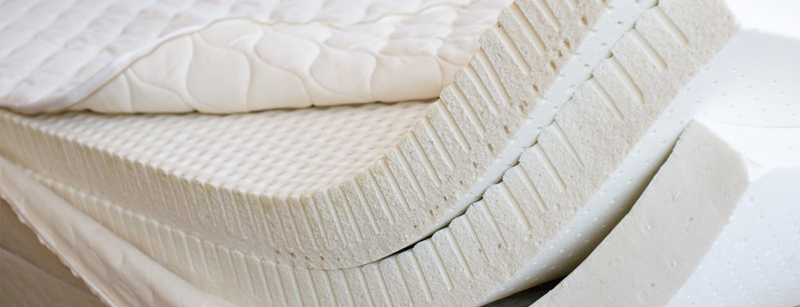
Back pain during sleep happens when the spine is not held in its natural curved alignment. A mattress that is too firm creates pressure points at the shoulders and hips, forcing the spine into an unnatural straight line. A mattress that is too soft lets the hips sink excessively, causing the lower spine to curve downward. Both scenarios put stress on muscles, ligaments, and spinal discs throughout the night.
Natural latex solves this because it responds proportionally to pressure. Heavier body parts, shoulders, hips, and pelvis, sink deeper into the latex, while lighter areas like the waist receive firmer support. This creates the body-contouring effect that maintains natural spinal alignment regardless of your sleep position.
Latex distributes body weight across a larger surface area than innerspring or firm foam mattresses. This reduces the concentrated pressure on specific joints that causes pain and restricts circulation. For back pain sufferers, this even weight distribution means less stress on the lumbar spine and fewer mornings waking up stiff.
One of the biggest problems with memory foam and innerspring mattresses is that they develop permanent body impressions after a few years. Those impressions create an uneven sleep surface that gradually worsens spinal alignment. Natural latex maintains its original shape and support for 15-20 years, meaning the spinal alignment you get on day one is the same alignment you get in year ten.
Not necessarily. This is one of the most persistent and damaging mattress myths. The right firmness for back pain depends entirely on your body type, weight, and sleep position:
Buying a firm mattress because “firm is better for your back” is one of the most common mistakes people with back pain make. Chances are, if you force yourself to sleep on a mattress that is too firm for your body. You will regret it.
Both types of natural latex can help with back pain, but they serve different roles in a mattress:
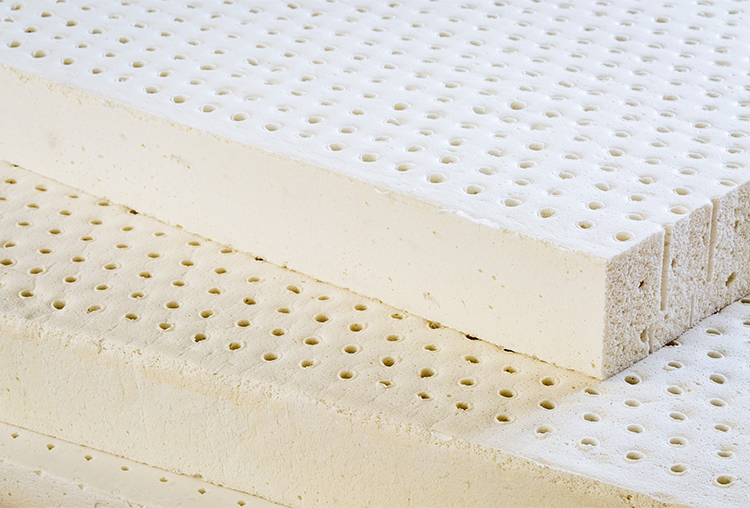
Dunlop latex is denser and firmer. It excels as a support layer and provides a consistent, flat sleep surface that some back pain sufferers, especially those who prefer sleeping on their back on a firm surface, find therapeutic. More firm Dunlop configurations hold their shape exceptionally well, providing reliable structural support.
Talalay latex is softer and more responsive. It works best as a comfort layer, providing pressure relief at the shoulders and hips that prevents the pressure-point pain common with overly firm mattresses.
For most people with back pain, the best configuration combines both: firm Dunlop for the base layers and medium or soft Talalay on top. This gives you structural spinal support where it counts with enough surface give to prevent pressure pain.
Firm Dunlop base + medium Dunlop top. This maintains the natural lumbar curve and prevents the pelvis from sinking too deep.
Firm Dunlop base + medium Dunlop middle + soft Talalay top. The soft top layer lets the shoulder and hip sink in, while the firm base keeps the spine from bowing.
Firm Dunlop base + medium Talalay top. This versatile setup accommodates multiple positions throughout the night without compromising alignment in any of them.
The advantage of a custom latex mattress with modular layers is that you are not locked in. If the first configuration does not feel right, you rearrange or swap layers until the support matches your body perfectly.
Look for a latex mattress with these features:
Pair your latex mattress with a natural shredded latex pillow for proper neck alignment and an organic mattress foundation that provides even, solid support without sagging.
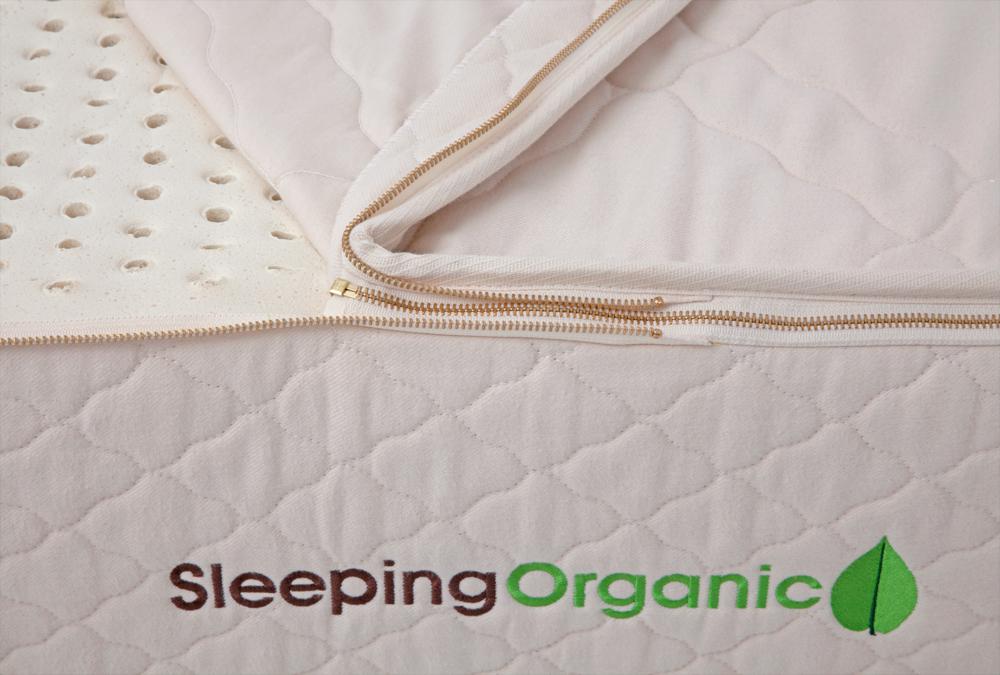
Yes. A latex mattress helps with back pain by providing responsive pressure relief and even weight distribution that maintains natural spinal alignment. The customizable firmness of a layered latex mattress lets you find the exact level of support your body needs, which varies by weight, sleep position, and the type of back pain you experience.
There is no single firmness that is best for all back pain. Back sleepers generally do well with medium-firm, side sleepers with medium, and stomach sleepers with firm. Body weight also matters, heavier individuals typically need firmer support. The safest approach is a modular latex mattress where you can adjust the firmness until you find what works.
Not automatically. A mattress that is too firm creates pressure points at the shoulders and hips that can make back pain worse. The goal is appropriate support, firm enough to prevent excessive sinking but soft enough to relieve pressure. This varies by individual, which is why a customizable latex mattress is the best option for back pain sufferers.
Most people notice improvement within 2-4 weeks of switching to a properly configured latex mattress. Your body needs time to adjust to a new sleep surface, and muscles that have been compensating for poor alignment need time to relax. Give it at least 30 days before evaluating the results.
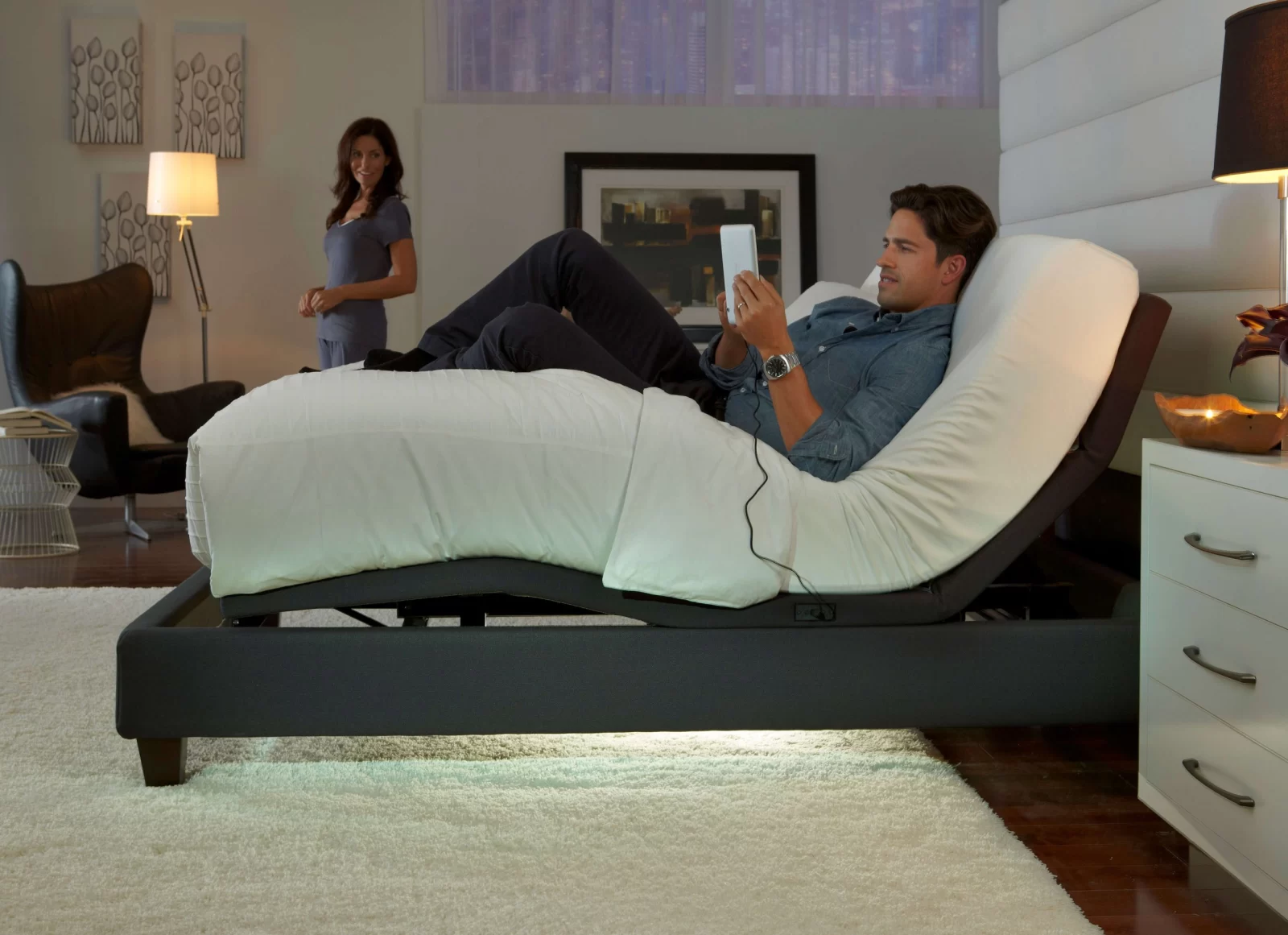
Yes. An adjustable bed combined with a latex mattress is one of the best setups for chronic back pain. Elevating the head or feet can relieve pressure on the lower back and improve circulation. Latex works perfectly on adjustable frames because it bends freely without any rigid coil structure.
For long-term back pain management, yes. Latex maintains consistent support for 15-20 years without developing body impressions. Memory foam loses its supportive properties as it develops permanent compression zones. Latex also responds instantly to position changes, while memory foam’s slow recovery can leave you in misaligned positions during the night.