Have a saved cart?
Enter your email to restore it.

Choosing between a latex mattress and a memory foam mattress is one of the most common decisions shoppers face. Both offer pressure relief and motion isolation, but they behave very differently under your body, last different amounts of time, and come with distinct trade-offs in cost, feel, and environmental impact.
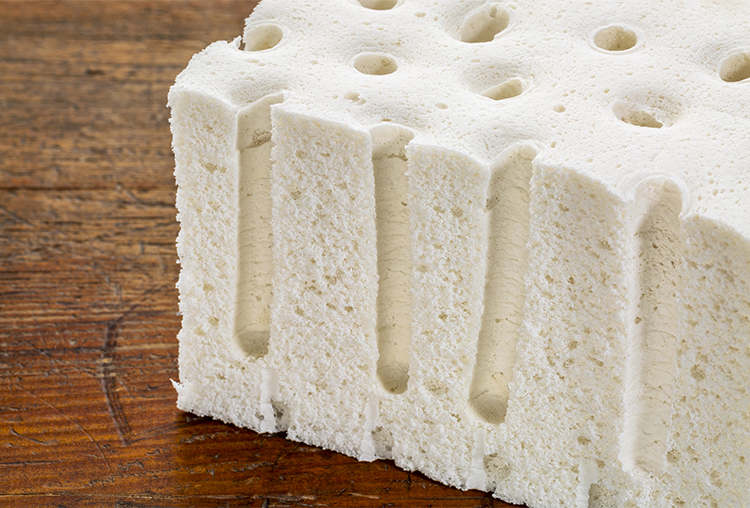
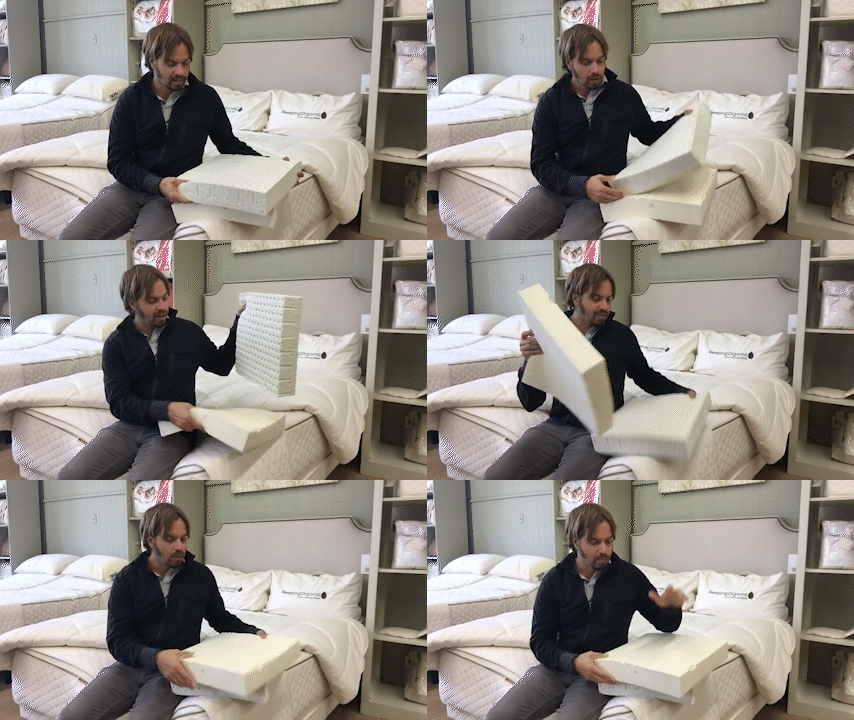
Latex is derived from the sap of rubber trees. There are two processing methods: Dunlop (denser, firmer) and Talalay (lighter, springier). Natural latex is a minimally processed agricultural product.
Memory foam (viscoelastic polyurethane foam) is a fully synthetic material originally developed by NASA. Modern variations include gel-infused, copper-infused, and plant-based formulations attempting to address heat retention.
Latex has a buoyant, springy feel. It compresses under pressure and rebounds within a second. You sleep on top of latex rather than sinking into it. This responsiveness makes it easy to change positions and get in and out of bed.
Memory foam has a slow, viscous response. It softens with body heat and contours closely, the classic cradling sink. Some sleepers find this deeply comfortable; others feel trapped or stuck.
Latex is the clear winner. Natural latex mattresses routinely last 15 to 25 years with minimal performance degradation. Memory foam typically shows body impressions within 7 to 10 years.
When calculating cost over time, a latex mattress that lasts 20 years often works out cheaper per year than two or three memory foam replacements.
Heat is memory foam’s most persistent criticism. Its dense, closed-cell structure traps body heat. Gel beads and copper infusions help but don’t fully solve it.
Latex has a naturally open-cell structure with pincore holes. Air circulates freely, and the material doesn’t retain heat. Latex mattresses sleep significantly cooler than memory foam.
Memory foam off-gasses noticeably when new, VOCs including toluene, benzene, and formaldehyde can emit for days to weeks.
Natural latex has a mild rubber smell when new that dissipates in 1–2 days. It doesn’t involve the same synthetic chemical compounds. Latex off-gassing is substantially less of a concern.
Natural latex comes from renewable rubber trees. GOLS-certified organic latex farms meet standards for pesticide use, worker conditions, and environmental practices. The material is biodegradable.
Memory foam is petrochemical-based, non-renewable, and doesn’t biodegrade meaningfully. This comparison isn’t close.
Both materials provide genuine pressure relief. This is a point of honest parity. Memory foam distributes body weight across a larger surface area through slow contouring. Latex pushes back evenly and conforms enough to cradle bony prominences without sinking. People with back pain often report excellent results on latex because the responsive support keeps the spine in alignment.
| Feature | Natural Latex | Memory Foam |
|---|---|---|
| Feel | Buoyant, springy, responsive | Slow-contouring, cradling |
| Responsiveness | Fast (under 1 second) | Slow (several seconds) |
| Durability | 15–25 years | 7–10 years |
| Temperature | Sleeps cool | Retains heat |
| Off-Gassing | Minimal (natural rubber scent) | Notable VOC off-gassing |
| Eco-Friendliness | Renewable, biodegradable | Petrochemical-based |
| Pressure Relief | Excellent | Excellent |
| Motion Isolation | Good | Very good |
| Ease of Movement | Easy, responsive bounce | Can feel restrictive |
| Upfront Cost (Queen) | $1,200–$3,500+ | $500–$2,000 |
| Cost Per Year (est.) | $75–$175 | $100–$200+ |
| Customization | High (layered, zoned) | Limited |
| Certifications | GOLS, OEKO-TEX | CertiPUR-US |
Explore our latex mattress pros and cons or shop our natural latex mattress.
Most back pain sufferers do better on latex. The responsive support keeps the spine aligned without allowing it to sink out of position. Learn more about latex mattresses and back pain.
Yes, significantly. Latex has an open-cell structure with pincore holes that allow free airflow. Even gel-infused memory foam doesn’t match natural latex’s breathability. Full breakdown here.
Natural latex lasts 15–25 years. Memory foam lasts 7–10 years. This durability gap is one of the strongest arguments for latex despite higher upfront cost.
Much less than memory foam. Natural latex may have a mild rubber scent for 1–2 days. Memory foam can off-gas for weeks. Details here.
Yes, customization is one of latex’s strongest advantages. A natural latex mattress can have different firmness layers, split firmness for couples, and zoned support. Memory foam rarely offers this level of personalization.
Both work well. Memory foam’s deep contouring cradles the shoulder closely. Latex provides pressure relief through responsive support. Side sleepers who want a close hug tend toward memory foam; those who prefer feeling “on top” prefer latex.