Have a saved cart?
Enter your email to restore it.

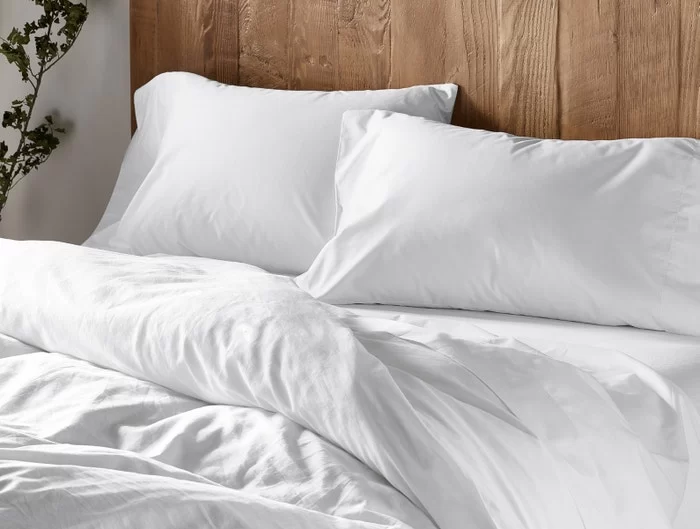
The best organic cotton sheets share a few consistent traits: verified third-party certification, single-ply construction at a reasonable thread count, and a weave suited to how you sleep. This guide breaks down each factor so you can evaluate options clearly and avoid the marketing language that inflates prices without improving quality.
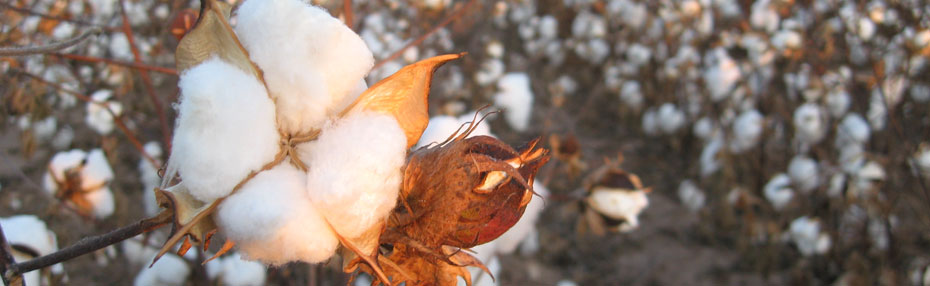
Certification is non-negotiable when buying organic cotton sheets. The Global Organic Textile Standard (GOTS) is the most reliable third-party verification available. It requires at least 95% certified organic fiber for the “organic” label tier and covers the entire production chain, from farming inputs through spinning, dyeing, and finishing.
This matters because the word “organic” on bedding packaging has no legal protection without a certification body behind it. A brand can call its sheets organic based on a single farming claim while the processing stage uses chlorine bleaching, formaldehyde wrinkle treatments, or chemical softeners. GOTS rules all of that out.
To verify a GOTS claim, find the certification number on the product or brand website and search the public database at global-standard.org. If no number is provided, the claim is unverified.
OEKO-TEX Standard 100 is a secondary certification worth noting. It tests finished goods for harmful chemical residues, a useful signal about safety, but it does not require organic farming inputs. A sheet can be OEKO-TEX certified without being made from organic cotton. The two certifications address different things; GOTS covers the full organic supply chain.
Weave has a larger effect on how sheets feel than thread count does. The two dominant weave types for cotton sheets are percale and sateen, and choosing between them comes down to how you sleep.
Percale is a plain one-over-one-under weave. It produces a crisp, matte fabric with a cool hand, similar to a freshly laundered dress shirt. Percale sheets are lighter, more breathable, and better suited to warm sleepers, hot climates, or summer use. They wrinkle more than sateen but soften considerably with washing and tend to be more durable over time.
Sateen uses a four-over-one-under weave that exposes more thread surface on one side of the fabric, creating a smooth, slightly shiny finish. Sateen sheets feel silky against the skin and drape more heavily than percale. They’re warmer, which suits cold sleepers or winter use, but they’re less breathable and more prone to pilling. The sheen also diminishes over time.
For most people pairing sheets with a natural latex mattress, which already promotes airflow, percale is the practical choice. It complements the cooling properties of the mattress rather than adding warmth on top.
Thread count measures the number of threads per square inch of woven fabric, counting both horizontal and vertical threads. It became a proxy for quality through decades of marketing, but it’s a poor one above a certain threshold.
For organic cotton sheets, the useful range is 200 to 400. Within that range, higher thread count correlates with a denser, smoother fabric. Above 400, manufacturers typically achieve higher numbers by using multi-ply threads, two or three thinner threads twisted together and counted as one. The resulting fabric is heavier and warmer but not finer. A genuine single-ply organic percale at 300 thread count will feel better and last longer than a multi-ply sheet marketed at 800.
When evaluating thread count claims above 400, look for disclosure of whether the count is single-ply or multi-ply. If the brand doesn’t specify, assume multi-ply.
Pocket depth determines whether a fitted sheet will stay on your mattress. Standard fitted sheets are cut for mattresses up to 12 inches tall. Most quality mattresses today, including natural latex mattresses, run between 10 and 14 inches, and many people add a topper on top of that.
Sizing guide:
If a fitted sheet is undersized for your mattress, it will pull off the corners throughout the night. Measure your mattress height, including any topper, before ordering.
An organic latex mattress is manufactured without polyurethane foam, synthetic adhesives, or chemical flame retardants. Pairing it with GOTS-certified organic cotton sheets extends that logic to the full sleep surface. You’ve eliminated the major chemical exposures in the mattress itself; the sheets are the next layer of contact.
There’s also a practical argument. Organic sheets outperform conventional sheets in durability when the conventional sheets rely on chemical finishes that degrade in the wash. The natural fiber quality of certified organic cotton, processed without harsh treatments that weaken the fiber, tends to hold up better over years of use.
For anyone building a genuinely non-toxic sleep environment, the combination of an organic mattress, organic cotton sheets, and a natural latex pillow addresses the three main points of contact during sleep.
A few common pitfalls when shopping for organic cotton sheets:
Organic cotton sheets last longest when washed in cold water and dried on low heat or line dried. Avoid fabric softeners, they coat the fiber and reduce breathability over time. Expect some softening with the first few washes as any remaining natural starch releases. Quality organic percale at 300 thread count, cared for properly, can last five to ten years.
The role of organic cotton in latex mattress construction follows the same logic, the material is durable, breathable, and performs better when it isn’t treated with chemicals that degrade with use.
GOTS certification with a verifiable certification number. Without third-party verification, any organic claim on bedding is unconfirmed. Look up the number at global-standard.org before purchasing.
Yes, 400 is near the top of the quality range for single-ply organic cotton. It produces a noticeably smooth, dense fabric. Above 400, quality gains disappear and you’re typically paying for multi-ply thread inflation rather than better fabric.
Percale. Its plain one-over-one-under construction is lighter and more breathable than sateen. It sleeps cooler and is better suited to warm climates or people who run hot at night.
Yes, but check pocket depth. Natural latex mattresses often run taller than standard mattresses, typically 10 to 14 inches. You’ll likely need deep-pocket fitted sheets (15 inches) or extra-deep (18 to 20 inches) if you have a topper.
For most people, yes. The absence of chemical finishes, pesticide residues, and synthetic processing inputs is meaningful for long-term sleep environment quality. GOTS-certified sheets also tend to be more durable than conventionally finished sheets because the fiber hasn’t been chemically weakened during processing.
Yes. Wash cold, dry on low or medium heat. Avoid high dryer heat, which accelerates wear on any cotton fabric. Line drying is ideal but not required. Skip fabric softeners, they reduce breathability over time.