Have a saved cart?
Enter your email to restore it.

An organic latex mattress uses organic latex in its construction. Check the latex, cover, and fire barrier separately. Documentation for one component does not establish certification of the whole mattress.
If you have been researching mattresses and wondering what separates a genuine organic latex mattress from the marketing claims, this guide covers everything you need to know, from construction and certifications to how to choose the right one for your sleep style.
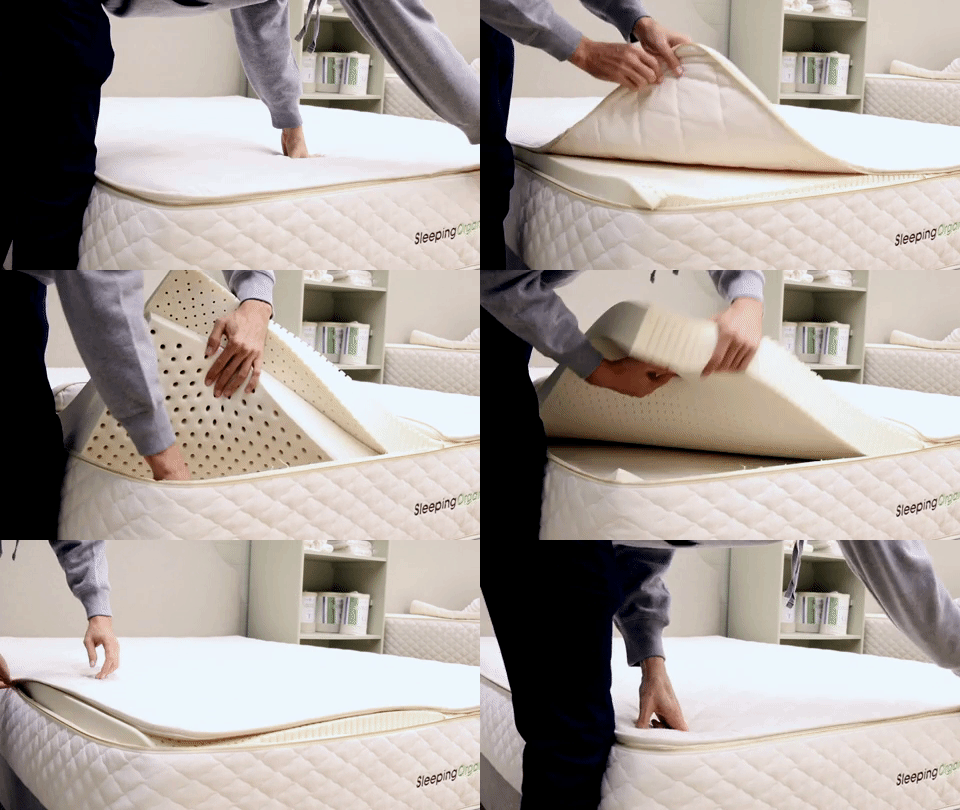
A latex mattress replaces the traditional coil or spring system with layers of natural latex foam. The latex core typically ranges from 6 to 12 inches thick. Some mattresses use a single solid core, but the best designs use a modular layer system, multiple layers of latex stacked inside a zippered cover.
A layered latex mattress gives you real control over firmness. A popular configuration uses three layers: a firm base layer for structural support, a medium layer for transition, and a softer comfort layer on top for pressure relief at the shoulders and hips. You can rearrange or swap individual layers to fine-tune the feel without replacing the entire mattress.
Solid-core latex mattresses are heavy, difficult to move, and lock you into a single firmness level. The layer system solves all three problems.
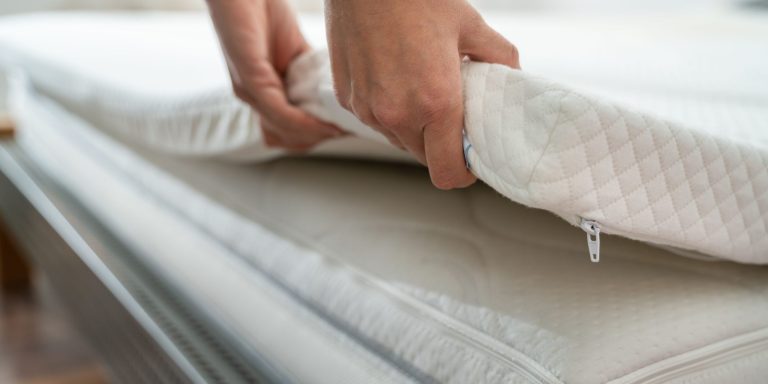
The latex layers sit inside a cover made of organic cotton and wool. The wool serves as a natural fire barrier, allowing the mattress to pass federally mandated burn tests without any chemical fire retardants. Wool also wicks moisture away from the sleep surface, improving airflow and temperature regulation. The organic cotton provides a soft, breathable outer shell.
An organic latex mattress uses organic latex in its construction. Check the latex, cover, and fire barrier separately. Our builder offers GOLS organic Dunlop and 100% natural Talalay; claims about the latex do not establish certification of the finished mattress.
Latex and memory foam are both coil-free mattress options, but they differ in nearly every other way that matters for sleep quality and health.
Both work well on adjustable foundations since neither uses coils. But for health-conscious sleepers who want non-toxic materials and long-term durability, organic latex is the clear choice.
There are two types of natural latex used in mattresses, and each has distinct characteristics:
Dunlop latex is denser, firmer, and more durable. It is the best choice for support layers and for sleepers who prefer a firmer feel. Firm Dunlop layers can last 20-30 years.
Talalay latex is softer, lighter, and more consistent in feel. It is a luxury material best suited for comfort layers on top. Talalay is more expensive and less durable than Dunlop, soft Talalay layers may need replacement after 5-7 years.
Many of the best organic latex mattresses combine both types: Dunlop for the base and support layers, Talalay for the top comfort layer. This gives you the structural durability of Dunlop with the plush feel of Talalay where it matters most.
With a layered design, you choose the firmness of each layer independently. Most manufacturers offer split configurations for couples, so each side of the bed can be a different firmness level.
Natural latex is inherently resistant to dust mites, mold, and bacteria. This makes it an excellent choice for allergy and asthma sufferers.
No chemical fire retardants. No petroleum-based foams, no synthetic adhesives. The wool fire barrier replaces the spray chemicals used in conventional mattresses.
Latex outlasts every other mattress material. Firm Dunlop layers hold their shape for decades, and the modular design means you can replace a single worn layer rather than the entire mattress.
Latex mattresses require minimal maintenance. Vacuum the cover surface every few months, rotate the mattress (or rearrange internal layers) every 3-6 months, and use a mattress protector to guard against spills. If the latex layers ever need spot cleaning, a damp cloth with mild soap is all you need, no harsh chemicals required.
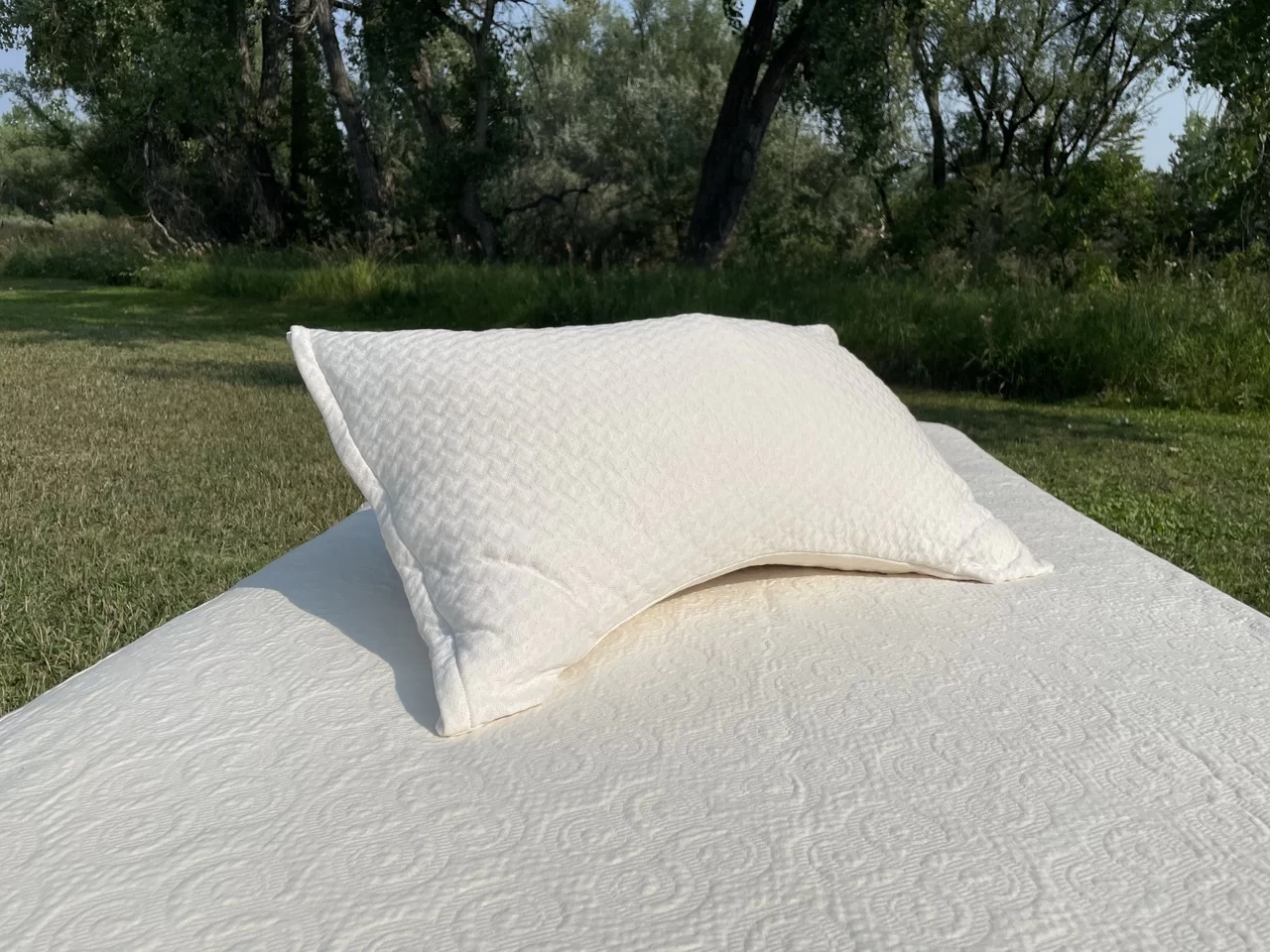
Pair your mattress with a natural shredded latex pillow for a complete chemical-free sleep setup.
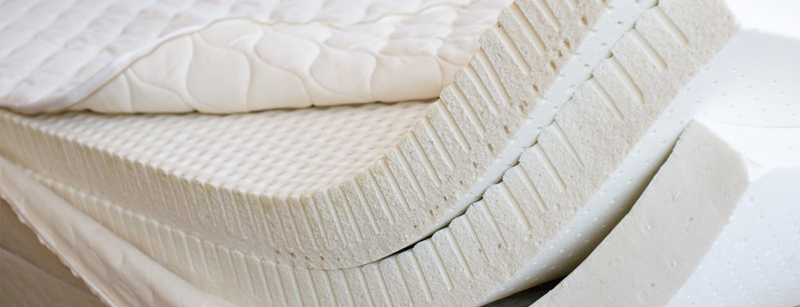
The best approach is to find a latex mattress with a modular layer system so you can try different firmness configurations based on your individual needs. Look for:
Design your own custom configuration with Dunlop, Talalay, or a combination at Sleeping Organic.
A latex mattress uses latex foam for support and comfort. Our builder offers GOLS organic Dunlop and 100% natural Talalay. Check the cover and construction separately; latex documentation does not certify every component.
Yes. The customizable firmness of a layered organic latex mattress lets you find the exact level of support your spine needs. Latex provides responsive pressure relief that distributes body weight evenly, which helps maintain natural spinal alignment and reduce back pain.
An organic latex mattress typically lasts 15-20 years. Firm Dunlop latex layers can last even longer, up to 25-30 years with proper care. This makes latex the most durable mattress material available.
No. Organic latex mattresses do not produce chemical off-gassing because they contain no synthetic foams, chemical adhesives, or fire retardant sprays. New organic mattresses may have a mild natural rubber scent that dissipates within a few days, but this is not toxic off-gassing.
When you factor in the 15-20 year lifespan, the cost per year of an organic latex mattress is often lower than replacing a cheaper mattress every 7-8 years. You also get non-toxic materials, customizable comfort, and superior durability. It is one of the best long-term investments you can make for your sleep.
Yes. Latex mattresses are fully flexible and work perfectly on adjustable bases. Because they have no rigid coil structure, they bend freely with the frame. An organic mattress foundation provides the ideal support platform for any latex mattress configuration.