Have a saved cart?
Enter your email to restore it.

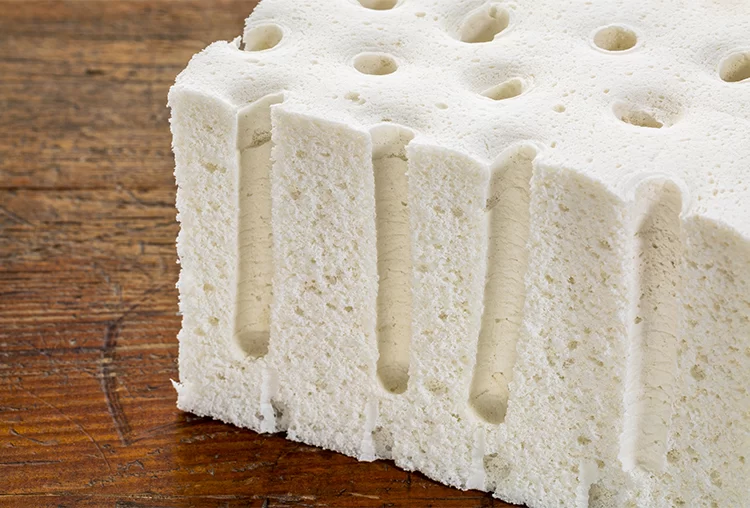
The right latex topper depends on how you sleep, how much you weigh, and what problem you are trying to solve. This quick reference guide breaks down the best latex toppers by sleep position, covers the differences between latex types, and links to detailed guides for each sleeping style.
The short version: side sleepers need X-Soft Talalay 14–19 or Soft Talalay 19–22, back sleepers need Medium Talalay or Dunlop (30–32 ILD), and stomach sleepers need Medium Dunlop (30–32 ILD). Thickness should be 3 inches for most sleepers, with 2 inches as an option for stomach and back sleepers who only need a minor adjustment. You can configure all of this in our Talalay latex mattress topper.
| Sleep Position | Best Firmness (ILD) | Best Thickness | Best Latex Type | Why |
|---|---|---|---|---|
| Side sleeper | X-Soft Talalay (14–19 ILD) or Soft Talalay (19–22 ILD) | 3 inches | Talalay | Shoulders and hips need room to sink for pressure relief |
| Back sleeper | Medium (30–32 ILD) | 2-3 inches | Talalay or Dunlop | Supports natural spinal curve without creating pressure points |
| Stomach sleeper | Medium (30–32 ILD) | 2-3 inches | Dunlop | Prevents hip sinkage that causes lower back hyperextension |
| Combination sleeper | Medium (30–32 ILD) | 3 inches | Talalay | Compromise firmness that works across multiple positions |
For detailed recommendations tailored to each sleep position, see the dedicated guides:
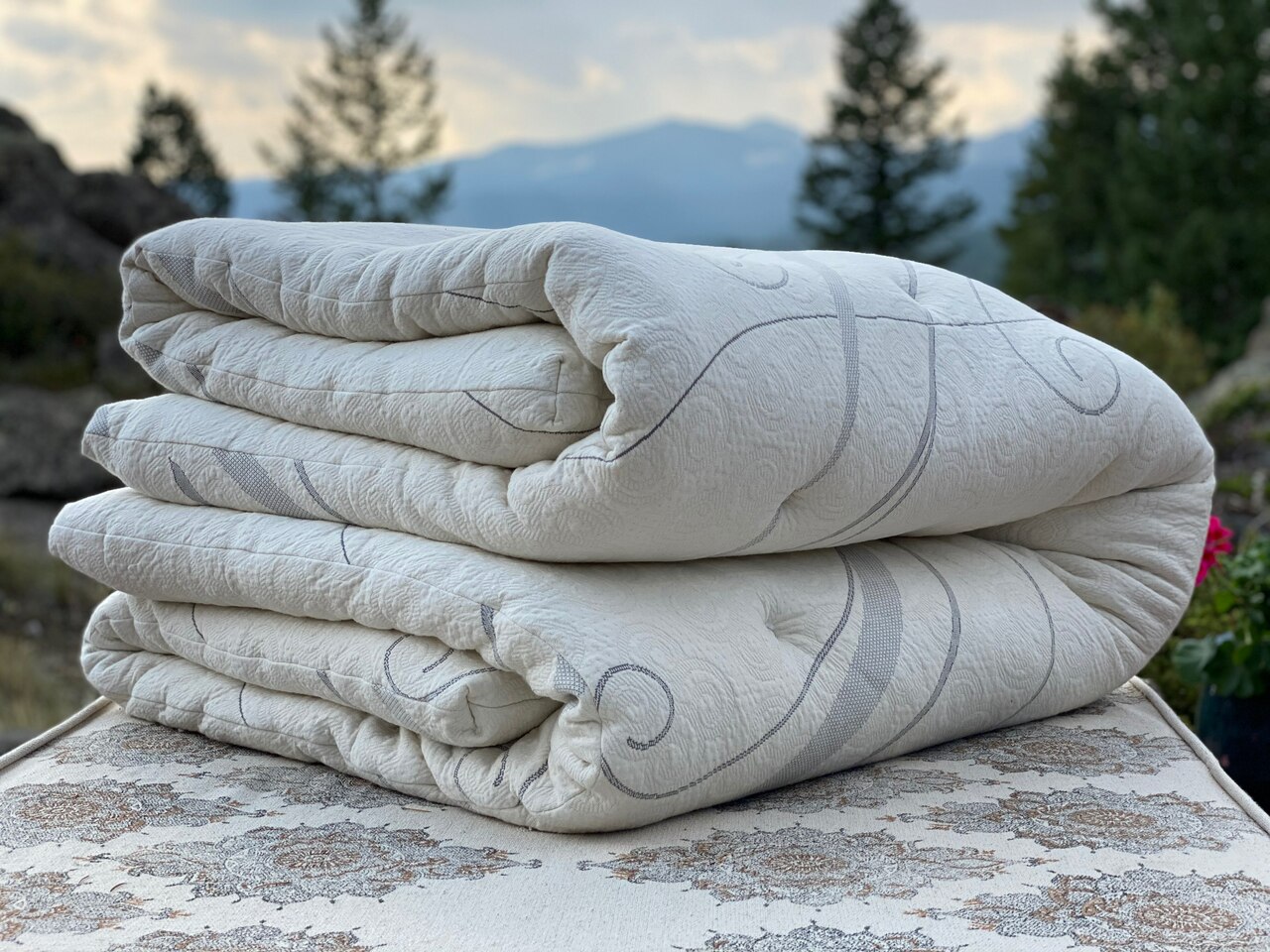
ILD (Indentation Load Deflection) is the standard measurement for latex firmness. It represents the number of pounds of force required to compress a 4-inch piece of latex by 25% (one inch). Lower ILD numbers mean softer latex, and higher numbers mean firmer latex.
| ILD Range | Firmness Feel | Best For |
|---|---|---|
| 14–19 | X-Soft Talalay | Side sleepers, pressure relief |
| 19–22 | Soft | Lighter side and back sleepers |
| 30–32 | Medium | Back sleepers, combination sleepers |
| 30–32 ILD | Medium | Stomach sleepers, heavier back sleepers |
| 30–32, 37–40, or 44 | Medium, Firm, or X-Firm | Support layers, very heavy sleepers |
Body weight also affects how a given ILD feels. A 140-pound person may experience a 30–32 ILD topper as firmer, while a 220-pound person may find the same topper feels softer. Adjust your ILD choice based on both sleep position and body weight.
These are the two manufacturing processes used to produce natural latex. Both start with the same raw material (rubber tree sap), but the processes create different characteristics.
| Feature | Talalay | Dunlop |
|---|---|---|
| Manufacturing | Poured, vacuum-sealed, flash-frozen, then baked | Poured into mold and baked |
| Cell structure | Uniform, open, consistent | Denser at bottom, lighter at top |
| Feel | Buoyant, responsive, plush | Solid, supportive, firm |
| Available softness | Down to 14–19 ILD | Typically starts around 19–22 ILD |
| Durability | Very good | Excellent |
| Organic certified? | Not available | GOLS certified available |
| Best for | Side sleepers, comfort layers | Stomach sleepers, support layers |
The simplest rule: Talalay is especially useful for X-Soft 14–19 and Soft 19–22 comfort layers. Dunlop is often preferred for support layers, including Medium 30–32, Firm 37–40, and X-Firm 44. Back sleepers can go either way depending on preference. For a deeper dive, read our full Talalay vs. Dunlop comparison.
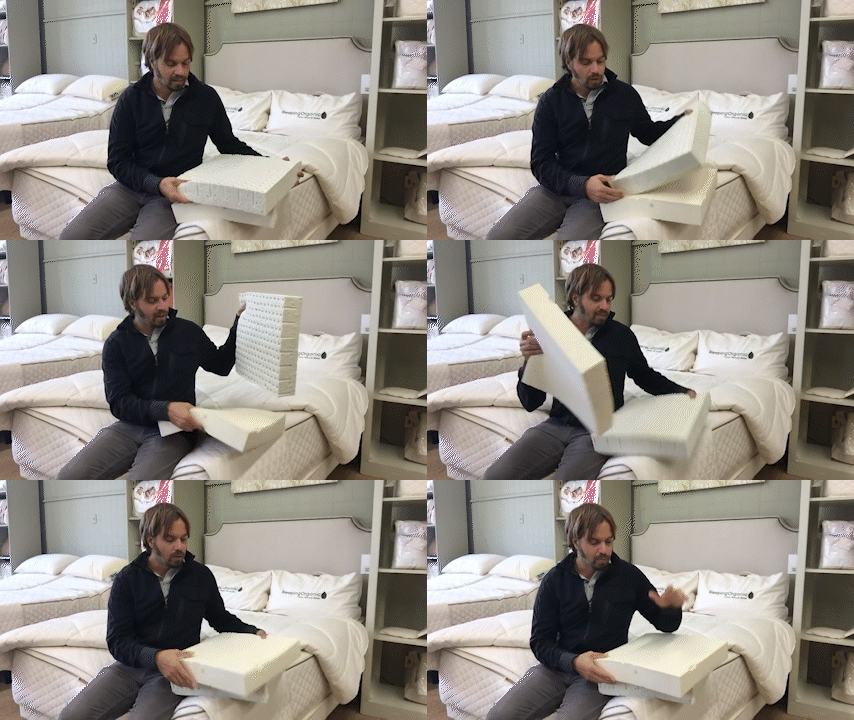
All latex toppers worth considering are made from 100% natural latex. The choice between natural and organic comes down to certification.
100% natural latex contains no synthetic fillers or blended materials. It is pure rubber tree sap processed into foam through either the Talalay or Dunlop method.
GOLS-certified organic latex is 100% natural latex that carries third-party organic certification from the Global Organic Latex Standard. The certification verifies organic farming practices, processing standards, and supply chain integrity. GOLS certification is only available for Dunlop latex.
Both types feel the same and perform the same at the same ILD rating. The difference is the certification and the slightly higher price for GOLS organic material. Learn more: Natural Latex vs. Organic Latex.
Always avoid synthetic latex, which is made from petroleum-based chemicals. It off-gasses, lacks the durability of natural latex, and provides an inferior sleeping experience. Read our guide: Synthetic vs. Natural Latex.
| Thickness | Best For | Limitations |
|---|---|---|
| 2 inches | Minor firmness adjustments, stomach sleepers, budget-conscious buyers | Not enough material for significant pressure relief; cannot be used as a mattress layer |
| 3 inches | All sleep positions, pressure relief, mattress building | Costs more than 2-inch; adds more height to your bed |
For most people, 3 inches is the better investment. It provides enough material to make a real difference in comfort and can be repurposed as a mattress layer later.
A latex topper is the right solution when your existing mattress is structurally sound but the comfort level needs adjustment. These scenarios favor a topper:
A topper is not the right solution when your mattress has deep body impressions, significant sagging, or broken-down internal support. A topper placed on a damaged mattress will follow the contours of the damage. In these cases, replacing the mattress delivers far better results.
One advantage of choosing a 3-inch topper is that it serves as a building block toward a full natural latex mattress. Sleeping Organic mattresses are constructed from stackable 3-inch layers, so your topper becomes the first layer of a future mattress. Add layers at your own pace, and when you are ready, wrap them in an organic cotton and wool encasement for a complete custom mattress.
For the best sleep experience, pair your latex topper with complementary natural products:
A medium Talalay topper at 30–32 ILD in 3-inch thickness is the best compromise for combination sleepers. It provides enough softness for side sleeping and enough support for back sleeping. It may feel slightly soft for extended stomach sleeping.
A 100% natural latex topper typically lasts 8 to 15 years depending on firmness and care. Firmer toppers last longer because the denser material resists compression breakdown. Softer toppers may show wear sooner but still significantly outlast memory foam and polyfoam toppers.
Yes. Latex toppers last 2 to 3 times longer than memory foam toppers, breathe better, respond faster, and are made from natural materials rather than petroleum-based chemicals. The higher upfront cost is offset by the longer lifespan and better sleep quality.
This is one of the best uses for a latex topper. A soft Talalay comfort layer on top of a firm Dunlop support mattress creates an ideal two-zone system: pressure relief on top, deep support underneath. This is how premium latex mattresses are designed.
No. Natural latex has an open cell structure that allows air to circulate through the material. It sleeps significantly cooler than memory foam and comparable to or better than innerspring mattresses. The pincore holes in latex further improve ventilation.
A solid or slatted wood foundation is the best base for any mattress using a latex topper. Avoid box springs, which can bow and create uneven support. If you use a slatted base, ensure the slats are no more than 3 inches apart to provide consistent support.
Ready to try a natural latex topper?
Choose from 5 firmness levels in Talalay, Dunlop, or GOLS-certified organic, starting at $201.