Have a saved cart?
Enter your email to restore it.

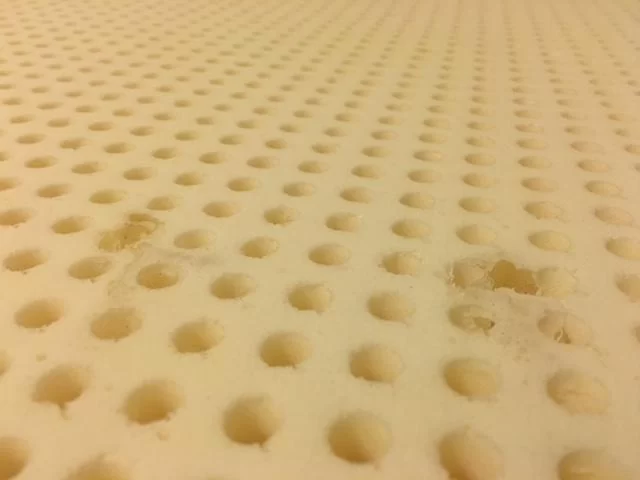
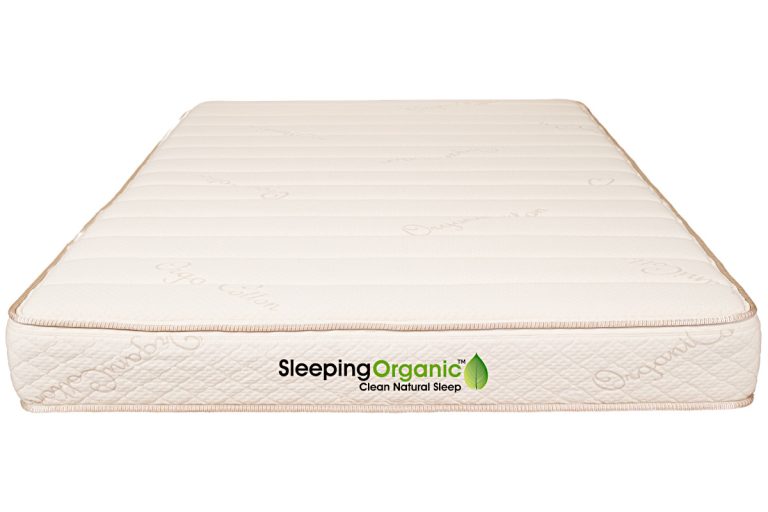
A quality latex mattress can last 20 years or more, but only if you set it up right and maintain it properly. Most people buy a great mattress and then undermine it with the wrong foundation, no protector, or poor bedroom habits. These practical tips will help you get the most out of your latex mattress from day one.

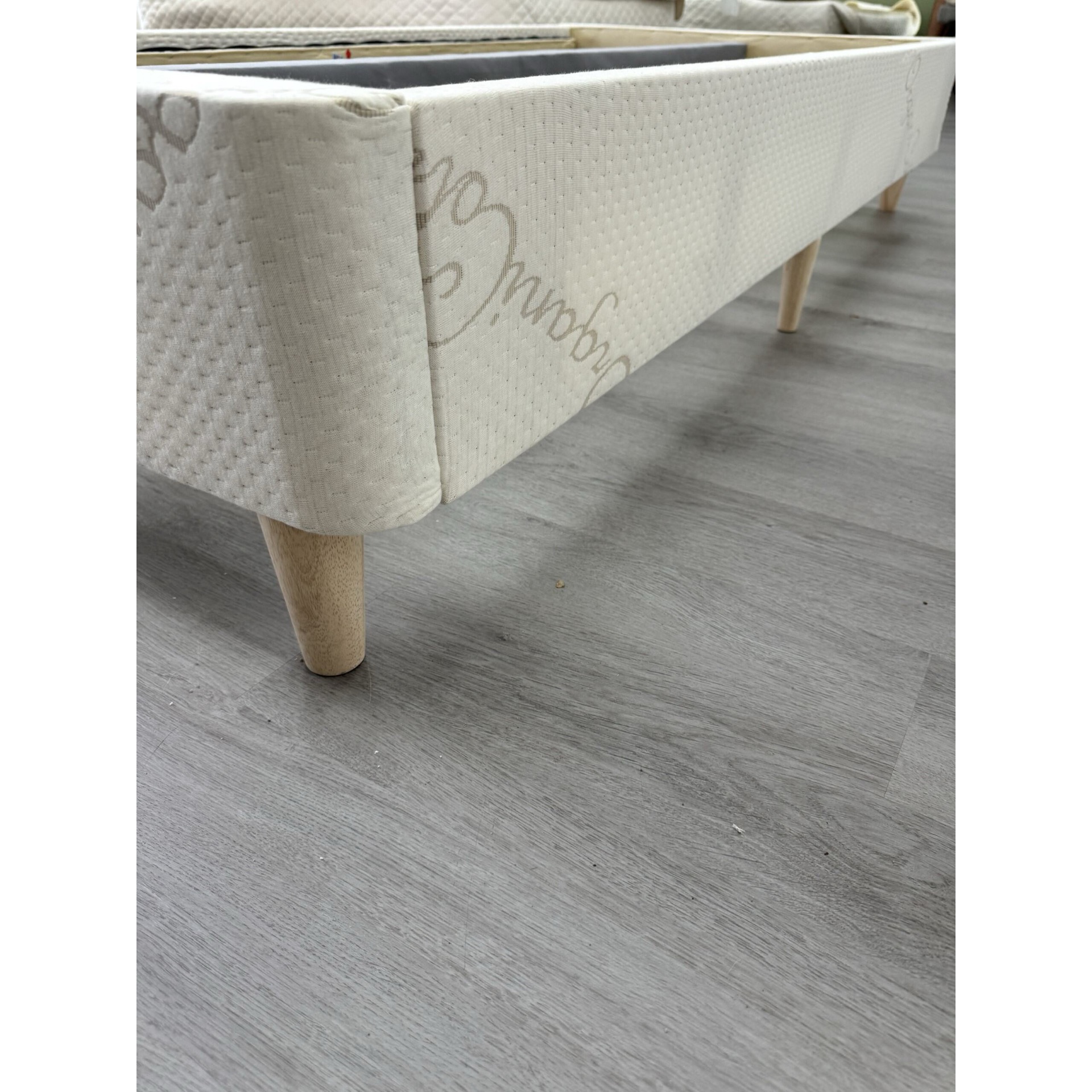
Your foundation matters more than you think. Latex mattresses need a solid, flat surface with consistent support. A traditional box spring with wide gaps between slats lets the latex sag into those gaps, creating uneven wear and premature breakdown.
Use a platform bed with slats no more than 3 inches apart, a solid platform base, or a purpose-built mattress foundation. Adjustable bases also work well with latex, the material’s natural flexibility handles articulation without damage.
If you are using a slatted frame, make sure the slats are rigid and closely spaced. Flexible European-style slats can create pressure points that affect how the latex conforms to your body.
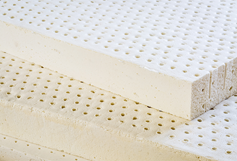
One of the biggest advantages of a layered latex mattress is that you can rotate individual layers to distribute wear evenly. Every three to six months, rotate each layer 180 degrees (head to foot). If your mattress has multiple comfort layers, you can also swap their positions to refresh the feel.
This is something you simply cannot do with glued-together mattresses. A custom latex mattress with unglued, stackable layers gives you this maintenance advantage for the life of the bed. For more detail on layer rotation, read our guide on flipping and rotating a latex mattress.
A waterproof mattress protector is non-negotiable. Latex is naturally resistant to dust mites and mold, but it is not immune to moisture damage. Sweat, spills, and body oils can degrade latex over time and void your warranty.
Choose a protector made from organic cotton with a thin waterproof membrane. Avoid heavy vinyl protectors, they trap heat and defeat one of latex’s best features: breathability. A good protector adds virtually no feel to the mattress while protecting your investment.
Your pillow determines whether your spine stays aligned or your neck compensates for poor support. A latex mattress conforms closely to your body, which changes the pillow height you need compared to a firmer conventional mattress.
Side sleepers generally need a thicker pillow to fill the gap between shoulder and ear. Back sleepers need a medium-loft pillow that supports the cervical curve without pushing the head forward. A shredded latex pillow is ideal because you can adjust the fill to dial in your preferred loft.
If you are switching from a memory foam or innerspring mattress, expect a two- to four-week adjustment period. Latex feels different. It is responsive rather than slow-sinking, supportive without feeling rigid. Your body needs time to adapt, especially if your muscles have been compensating for a worn-out or unsupportive mattress.
During this period, you may notice new pressure points or minor stiffness. This is usually your body realigning, not a problem with the mattress. Give it a full 30 days before making any judgment. For more on this transition, see our tips for improving sleep on a latex mattress.
You invested in an organic mattress to reduce chemical exposure. Do not undo that by covering it with conventionally produced sheets treated with wrinkle-resistant finishes (which contain formaldehyde) or synthetic dyes.
Organic cotton sheets in a percale or sateen weave breathe well and complement latex’s natural temperature regulation. Avoid flannel in warm climates and synthetic microfiber entirely, both trap heat against the latex surface.
If liquid gets past your protector, act fast. Blot the area with a dry towel, never rub. Remove the mattress cover and stand the affected latex layer on its side in a well-ventilated area to dry completely. Latex that stays damp can develop odor over time.
For general cleaning, a light vacuum of the mattress surface every few months removes dust and dead skin cells. Never use harsh chemical cleaners on latex. A mild solution of water and white vinegar handles most surface stains. Check our full latex mattress care instructions for detailed cleaning guidance.
Latex performs best in a cool, dry room. Aim for a bedroom temperature between 60 and 67 degrees Fahrenheit and humidity below 50%. High humidity does not damage latex quickly, but sustained moisture in the air can affect the cotton and wool components of your mattress over time.
Good air circulation under the mattress matters too. If you use a platform bed with a solid top, make sure the room has adequate ventilation. Slatted foundations naturally allow airflow beneath the mattress, which helps regulate moisture.
Electric blankets and heating pads can degrade latex over time. Sustained direct heat breaks down the cellular structure of natural rubber. If you need extra warmth, heat your sheets with the blanket before bed, then remove it before sleeping. Or better yet, add a wool topper, wool naturally regulates temperature and adds warmth without the risks of direct heat.
Rotate individual layers 180 degrees (head to foot) every three to six months. If your mattress has multiple comfort layers, you can also swap their positions periodically to even out wear.
Yes. Use a solid platform, a foundation with slats spaced no more than 3 inches apart, or an adjustable base. Avoid traditional box springs, the wide gaps cause uneven support and accelerate wear on the latex.
Most people adjust within two to four weeks. If you are coming from a memory foam mattress, the transition may take closer to 30 days as your body adapts to the more responsive feel of latex.
Sustained direct heat degrades natural latex. If you want warmth, preheat your bedding and remove the heat source before sleeping, or use a wool topper that naturally regulates temperature.
Organic cotton sheets in percale or sateen weave work best. They breathe well and complement the temperature regulation of latex. Avoid synthetic microfiber and heavy flannel, which trap heat.
Blot immediately with a dry towel, never rub. Remove the cover and stand the latex layer upright in a ventilated area to dry completely. For surface stains, use a mild water and white vinegar solution. Never use harsh chemical cleaners.