Have a saved cart?
Enter your email to restore it.



If you are switching to an organic mattress, one of the first practical questions is whether your current box spring will work. The short answer: no, you do not need a box spring for an organic mattress. In fact, a box spring is one of the worst support options for natural latex. Here is why, and what to use instead.
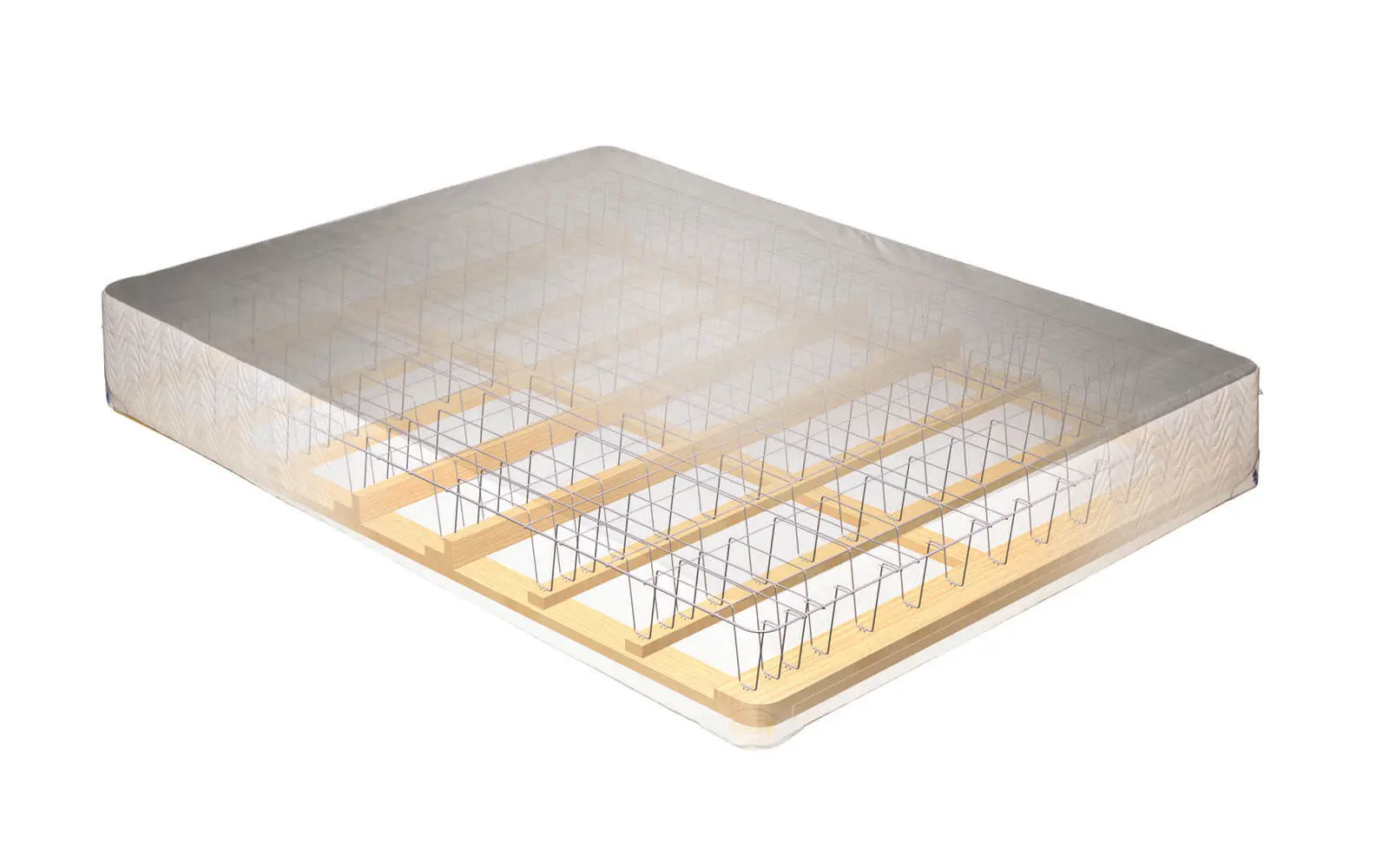
Traditional box springs were designed for innerspring mattresses. They have a flexible, spring-loaded surface that absorbs impact and provides some give. That flexibility is a problem for organic latex mattresses for several reasons:
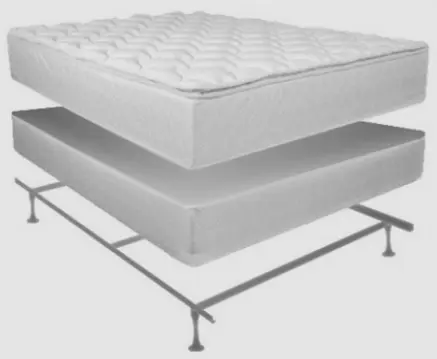

Your organic mattress needs a flat, rigid, and well-ventilated support surface. These are the best options:

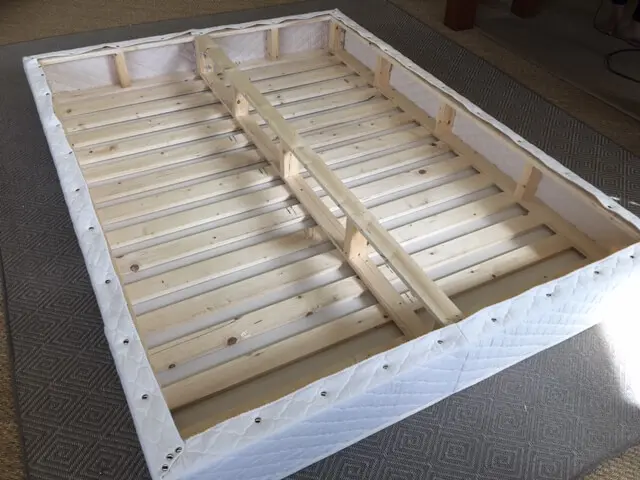
A platform bed with a solid or closely slatted surface is the simplest solution. The mattress sits directly on the platform with no additional foundation needed. Make sure the surface is flat and the slats (if present) are no more than 3 inches apart to prevent the latex from pressing through gaps.
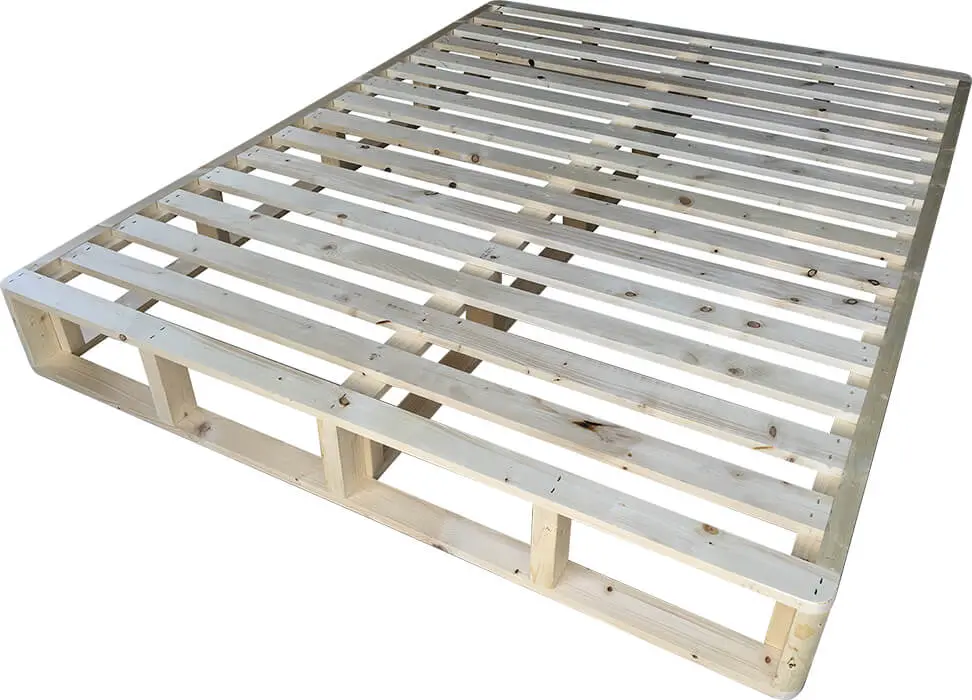
A standard bed frame with wooden slats is the most common setup for organic mattresses. The key specifications: slats should be at least 2.5 inches wide, spaced no more than 3 inches apart, and made from solid wood (not particle board). Closely spaced slats provide even support while allowing airflow underneath the mattress.
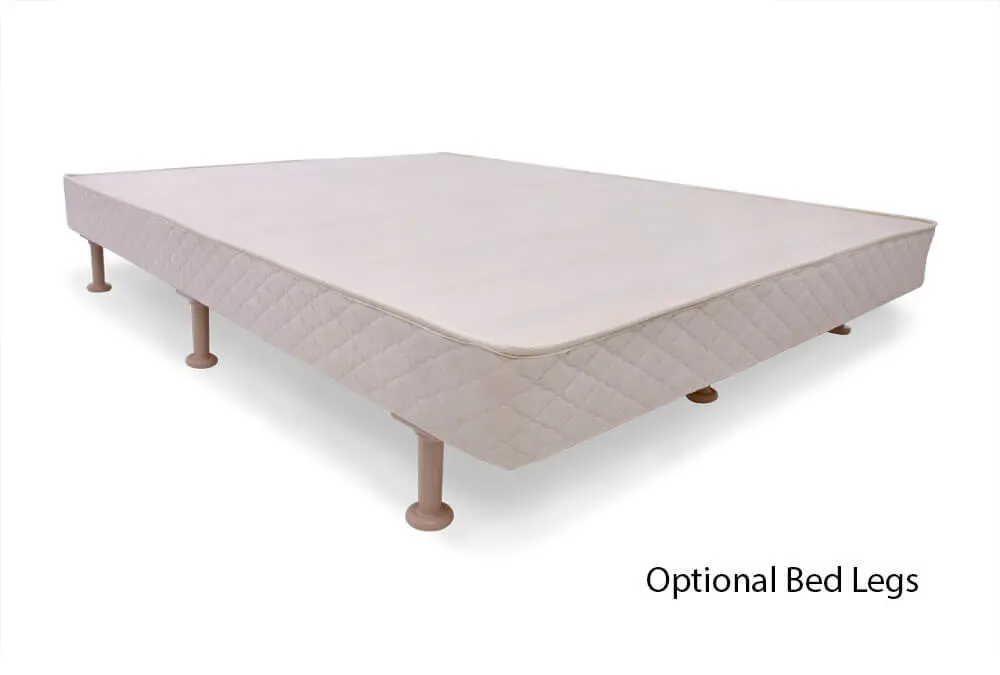
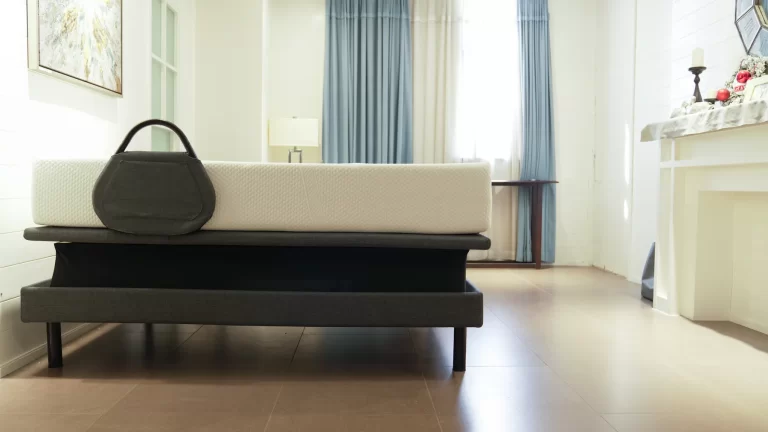
A purpose-built organic mattress foundation is designed specifically to support natural latex. These foundations provide a solid, flat surface at the height of a traditional box spring, so you get the proper support without sacrificing bed height. This is the best option if you want to use an existing bed frame that was designed for a box spring.
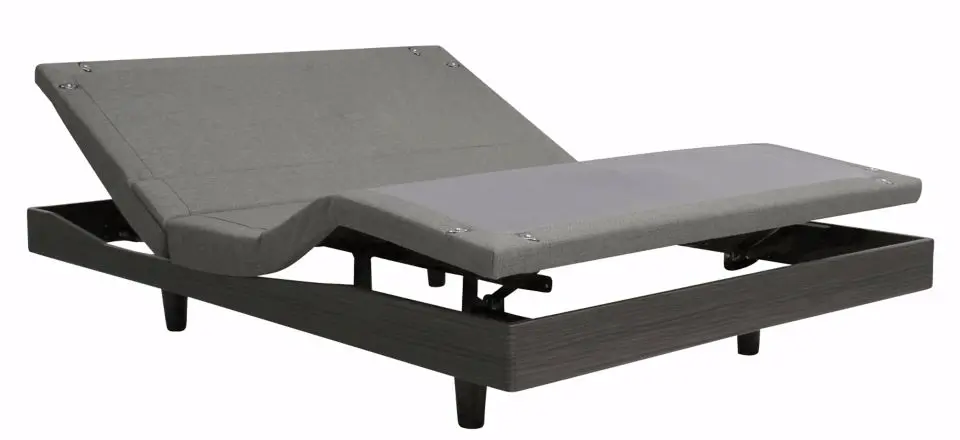
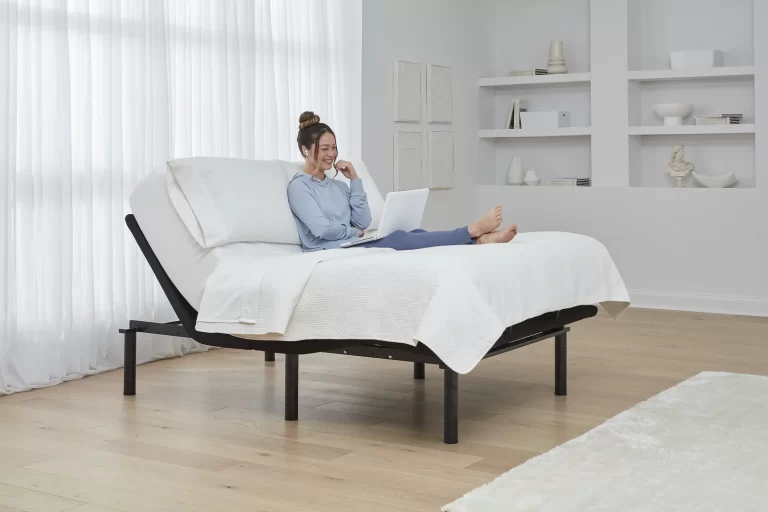
Natural latex is flexible enough to work with most adjustable bed frames. The latex bends with the frame without cracking or losing its resilience. If you choose an adjustable frame, make sure it has a solid support surface rather than a wire grid, and confirm that the weight capacity accommodates your mattress and body weight.
You can place an organic mattress directly on the floor, and it will perform fine from a support standpoint. However, there are some considerations:
If you do place your mattress on the floor, stand it up periodically to air out the bottom surface. For more details on support options, read our guide to the best latex mattress foundations.
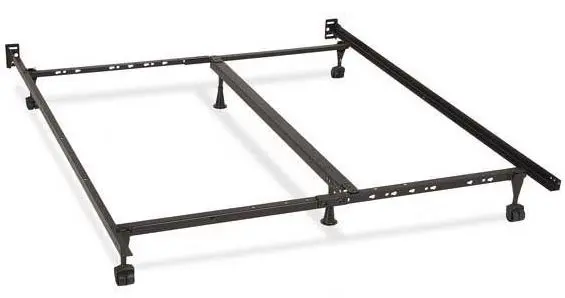
If your current box spring is relatively new and has a flat, non-flexible top surface (some modern “box springs” are actually solid foundations marketed under the old name), it may work temporarily. Test by pressing on the surface. If it flexes or bounces, it is a traditional spring-based box spring and should be replaced. If it is rigid and flat, it is essentially a foundation and will work fine.
For a deeper comparison, see our post on whether latex mattresses need a box spring.
Your organic latex mattress is an investment in better sleep and better health. Pairing it with the right support surface ensures you get the full benefit of the materials and the full lifespan of the mattress. A proper foundation is one of the simplest ways to protect that investment.
Many organic mattress manufacturers require a solid, non-flexible support surface as a condition of the warranty. Using a traditional spring-based box spring could void your coverage. Always check your specific warranty terms before setting up your mattress.
Slats should be spaced no more than 3 inches apart. Wider gaps allow the latex to press through and create uneven support, which can cause discomfort and premature wear. Slats should also be at least 2.5 inches wide and made from solid hardwood.
A bunkie board (a thin, solid platform) can be a quick fix for a bed frame with widely spaced slats or a wire grid. However, it may reduce airflow under the mattress. A properly slatted frame or purpose-built foundation is a better long-term solution.
Yes. Natural latex is flexible and resilient, so it bends with an adjustable frame without cracking or damaging the material. Make sure the adjustable frame has a solid support deck (not a wire grid) and can handle the weight of a latex mattress, which is heavier than foam.
A platform bed or foundation typically sits 7 to 14 inches off the ground. Add a 9 to 12-inch organic mattress, and total bed height ranges from 16 to 26 inches. Most people find 22 to 25 inches (about knee height) the most comfortable for getting in and out of bed.