Have a saved cart?
Enter your email to restore it.

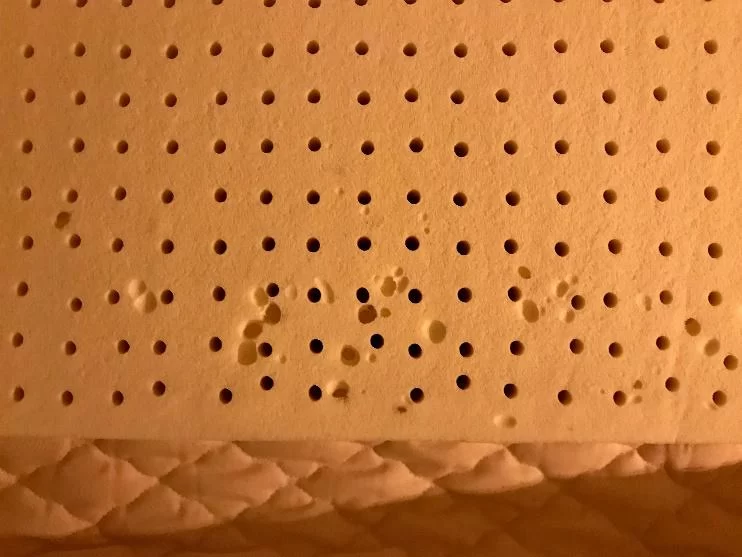
An organic vegan latex mattress is a natural latex mattress made entirely without animal-derived materials. Standard organic latex mattresses use wool as a fire barrier, but vegan versions replace the wool with plant-based alternatives like organic cotton batting or a cotton-rayon blend. For people committed to a cruelty-free lifestyle — or those with wool sensitivities — a vegan latex mattress offers a way to sleep on natural, non-toxic materials without compromising your values.
This guide explains what makes a latex mattress vegan, the real benefits and tradeoffs to consider, and how to choose the best vegan latex mattress for your needs.
To sell a mattress in the United States, manufacturers must pass federal flame retardancy testing (16 CFR 1633). The most common natural method of meeting this requirement is using a tightly woven wool layer as a fire barrier beneath the outer cover. Wool naturally self-extinguishes and does not require chemical flame retardants to meet the standard.
This means that virtually all certified organic latex mattresses — including those with GOLS-certified latex and cotton covers — contain a wool fire barrier. For vegans, this single component makes an otherwise plant-based mattress non-vegan.
Vegan latex mattress manufacturers replace the wool fire barrier with alternative materials:
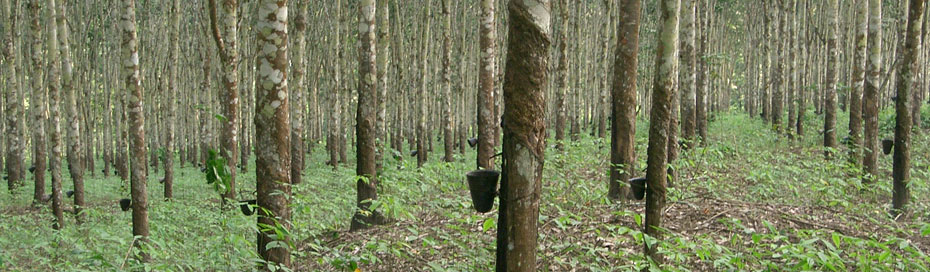
The latex core itself — whether Dunlop or Talalay — is already completely vegan since it comes from the sap of rubber trees. The cotton outer cover is also vegan. It is only the fire barrier layer that needs to be substituted.
The primary benefit is straightforward: no animal products are used in any part of the mattress. For people living a vegan lifestyle, this means your sleeping environment matches your ethical commitments.
A vegan latex mattress made with 100% natural or organic latex avoids the synthetic foams, chemical flame retardants, and petroleum-based materials found in conventional mattresses. You sleep on plant-based materials that do not off-gas volatile organic compounds (VOCs).
Natural latex is inherently resistant to dust mites, mold, and mildew. For people who are sensitive to wool specifically, a vegan mattress eliminates that allergen entirely while still providing a clean, hypoallergenic sleep surface.
The latex core of a vegan mattress performs identically to any other natural latex mattress. You get the same responsive, pressure-relieving support, the same breathability, and the same durability. The absence of wool affects the fire barrier layer, not the comfort layers you sleep on.
Natural latex is harvested from rubber trees without harming them, organic cotton is grown without synthetic pesticides, and these materials are biodegradable at end of life. A vegan latex mattress has a significantly smaller environmental footprint than a conventional synthetic mattress.
High-quality natural latex mattresses last 15 to 20 years regardless of whether they include wool or a vegan alternative. The latex core is the primary driver of longevity, and that remains unchanged in a vegan build.
Wool is considered the gold standard for natural fire barriers because it self-extinguishes reliably and wicks moisture. Cotton-based alternatives meet the same federal safety requirements, but wool does offer slightly better moisture management. If temperature regulation and moisture wicking are priorities, this is a tradeoff worth understanding.
Look for a custom latex mattress that lets you choose your firmness level and swap layers as needed. Whether you are a side sleeper, back sleeper, or stomach sleeper, the ability to adjust firmness ensures your vegan mattress works for your body.
Check whether the latex is GOLS organic Dunlop or natural Talalay, then confirm the cover and fire-barrier materials. For a vegan build, verify every component rather than inferring its composition from a certification.
Vegan latex mattresses are priced similarly to standard organic latex mattresses. The cost of replacing wool with cotton-based fire barriers is comparable. Expect to pay more than you would for a synthetic mattress, but the 15- to 20-year lifespan makes the per-year cost competitive.
Traditional pillows often use down feathers or polyester fill. A natural shredded latex pillow is an excellent vegan alternative that is adjustable, breathable, and long-lasting.
Choose sheets made from organic cotton or bamboo to keep your entire bed free from animal products. Avoid silk comforters and down duvets — opt for organic cotton or plant-based fill alternatives instead.
A latex mattress needs solid support. An organic mattress foundation made from sustainably harvested wood provides a sturdy, vegan-friendly base that prevents sagging.
The wool fire barrier is the only animal-derived component in most organic latex mattresses. The latex itself comes from rubber tree sap, and the cover is typically organic cotton — both of which are plant-based. Removing the wool and replacing it with a cotton-based fire barrier makes the mattress fully vegan.
Yes. Vegan latex mattresses must pass the same federal flammability standards (16 CFR 1633) as any mattress sold in the United States. The cotton-based fire barrier is tested and certified to meet these requirements.
Yes. Natural latex is harvested from the sap of rubber trees (Hevea brasiliensis) without harming the trees. No animal products or animal testing are involved in the production of natural latex foam.
A vegan latex mattress made with 100% natural latex and organic cotton does not off-gas in any meaningful way. Unlike memory foam and polyurethane mattresses, natural latex contains no petroleum-based chemicals that produce volatile organic compounds.
Ask the manufacturer directly about every material in the mattress, including the fire barrier. Look for detailed material specifications rather than relying on marketing labels alone. A transparent company will list every component and its source.
You can get a mattress with organic latex (GOLS-certified) and an organic cotton cover without wool. The mattress itself may not carry an overall organic certification since some certifying bodies require wool as the fire barrier, but the individual components can still be certified organic. For more information, read our guide on what is a vegan mattress.