Have a saved cart?
Enter your email to restore it.

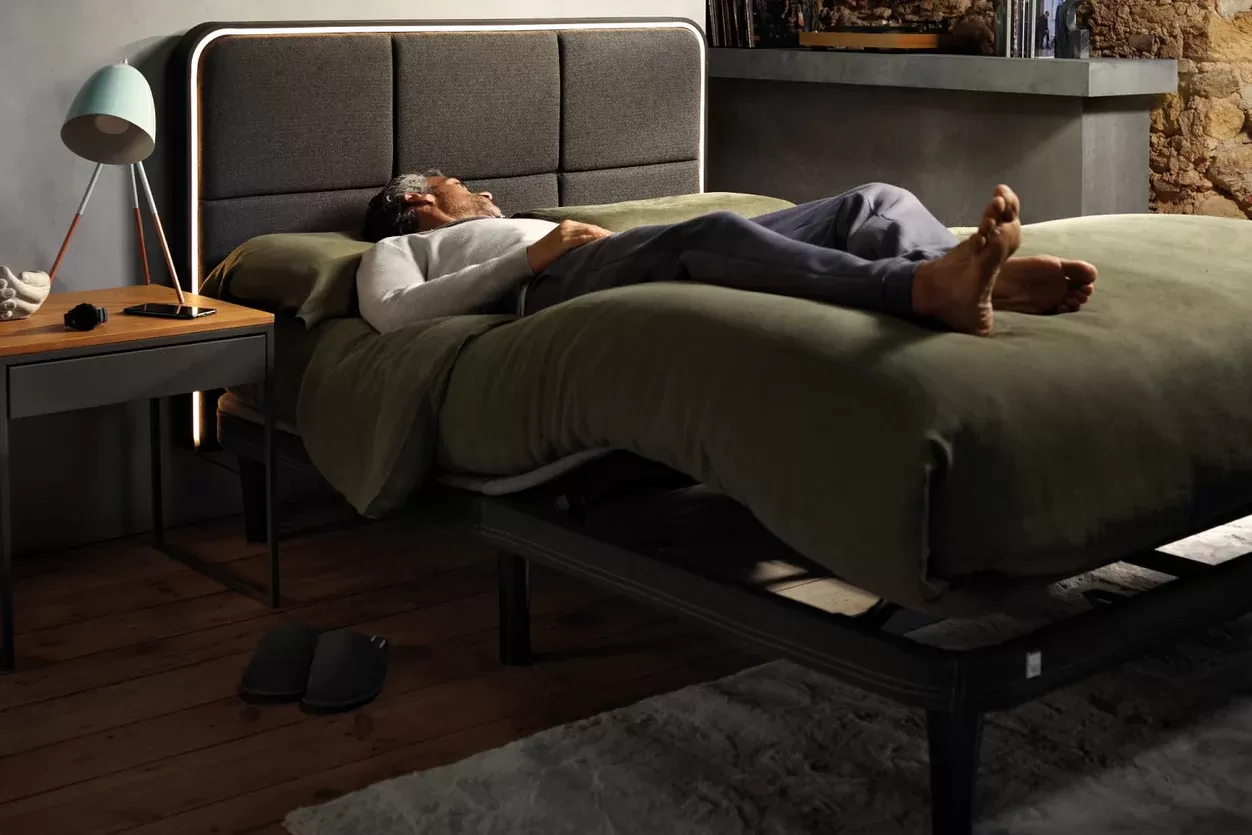
A natural latex mattress is one of the best investments older adults can make for their sleep and overall health. As we age, our bodies become more sensitive to pressure points, temperature changes, and poor spinal alignment. The best latex mattress for older people delivers unmatched pressure relief, breathability, and long-term durability — qualities that matter more with every passing year.
In this guide, we cover the specific benefits of a latex mattress for seniors, how to choose the right firmness for aging joints, and why features like edge support and adjustable bed bases become increasingly important as we get older.
As we get older, shoulders, hips, knees, and the lower back become increasingly sensitive to pressure. The wrong mattress creates contact pressure at these points, leading to pain, tossing and turning, and poor sleep quality.
Natural latex provides the best pressure relief of any mattress material. It conforms to your body’s curves, allowing shoulders and hips to sink in slightly, while still providing firm pushback to support the spine. This is fundamentally different from memory foam, which lets you sink in but often creates a “stuck” feeling that makes it harder to change positions during the night.
For seniors dealing with arthritis, chronic pain, or general joint stiffness, the responsive pressure relief of a latex mattress can genuinely transform sleep quality. Many older adults report waking up with significantly less stiffness after switching from innerspring or memory foam to natural latex.
This is one of the most important and often overlooked factors for older adults choosing a mattress. The ability to sit on the edge of the bed, plant your feet on the floor, and stand up depends on two things: mattress height and edge support.
The ideal bed height for most seniors is 20 to 23 inches from floor to the top of the mattress. At this height, your feet reach the floor when sitting on the edge, and your knees are at roughly a 90-degree angle — the easiest position to stand from.
Calculate your total bed height by adding the mattress thickness to your foundation height. If your foundation is 12 inches and your mattress is 10 inches, that puts you at 22 inches, which is comfortable for most people.
Latex mattresses do not have built-in edge support systems like some innerspring beds. The edges are the softest part of the mattress. For seniors who need to sit on the edge to get up, firmness selection matters significantly.
Choose at least a medium firmness for the top layer if edge support is a priority. A soft top layer will compress under your weight when you sit on the edge, making it harder to stand. Medium or medium-firm latex gives you comfort while sleeping and reasonable support when sitting on the edge.
For more details, read our full guide on edge support on latex mattresses.
Your body at 65 is not the same as your body at 75. Weight changes, new joint issues, surgeries, and shifts in sleep position preferences all affect what you need from a mattress. With a traditional mattress, changing needs means buying a new mattress.
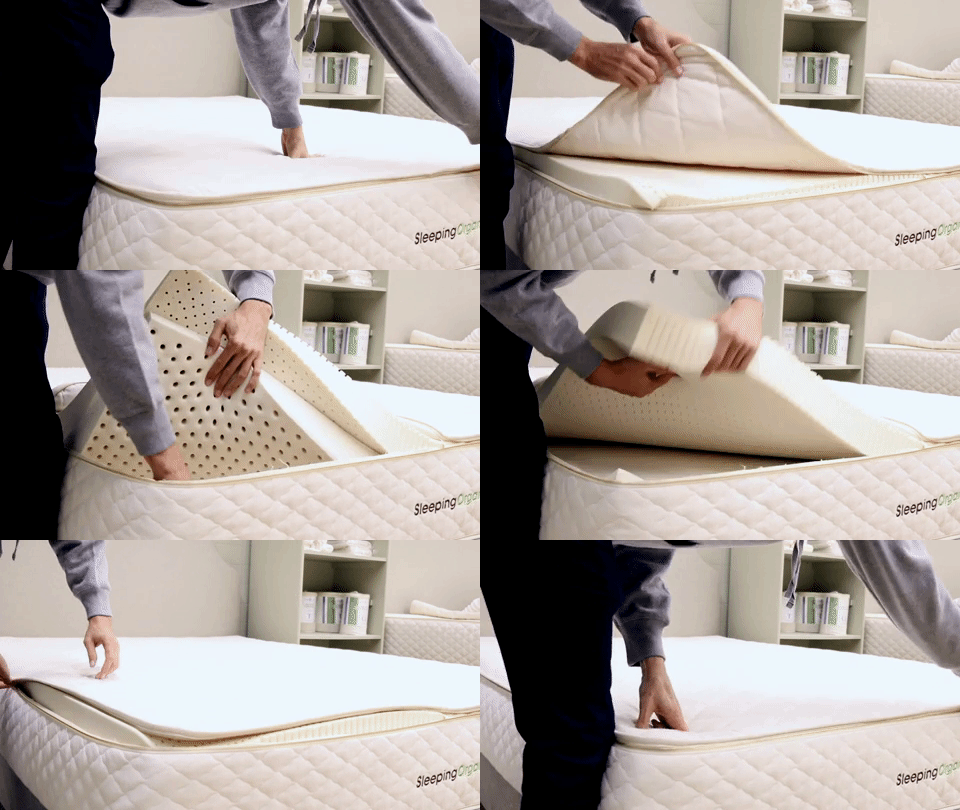
A natural latex mattress with modular layers lets you adjust. Each layer has its own firmness level, and they can be rearranged or individually replaced:
This adjustability extends the useful life of the mattress well beyond what any single-firmness mattress can offer.
Pairing a latex mattress with an adjustable bed base is one of the best decisions older adults can make. Natural latex is flexible enough to bend with an adjustable base without damaging the material.

Key benefits of an adjustable base for seniors include:
The 3-layer (10-inch) mattress is our most recommended model for older adults. Three layers provide genuine comfort and pressure relief, while the 10-inch profile keeps total bed height manageable when paired with a standard foundation.
A common configuration for seniors: soft Talalay on top for pressure relief, medium Dunlop in the middle for transition support, and firm Dunlop on the bottom for spinal alignment. This combination offers the best of both worlds — cushioning where you need it and firm support underneath.
The 4-layer (13-inch) mattress is ideal for larger individuals or those who want maximum plushness, but account for the extra height when calculating total bed height with your foundation.
Many older adults are deciding between latex and memory foam. Here is how they compare on the factors that matter most to seniors:
Neck pain is a common complaint among older adults, and the wrong pillow compounds the problem. A natural shredded latex pillow is adjustable — remove or add fill to match your preferred sleeping position and the loft you need for proper neck alignment. It stays cool, supports without going flat, and pairs naturally with a latex mattress.
If you have never slept on latex, a topper is a low-risk way to experience the material. A 3-inch latex topper can dramatically improve the comfort of your current mattress and can later be used as a layer in a full custom latex mattress. Check out our quick guide to choosing a latex topper for more details.
Medium to medium-firm works best for most older adults. This range provides enough cushion for pressure relief at the shoulders and hips while maintaining the support needed for spinal alignment and good edge support. Side sleepers may prefer a softer top layer with firm support beneath.
Yes. Latex is a responsive material that pushes back when you press into it. Memory foam absorbs your weight and creates a sinking sensation that requires more effort to move out of. Seniors who struggle with mobility will find it noticeably easier to change positions and get out of a latex mattress.
Between 20 and 23 inches from floor to the top of the mattress is ideal for most people. This allows you to sit on the edge with your feet flat on the floor and knees at approximately 90 degrees. Adjust your foundation height to reach the right total.
Yes. A layered latex mattress allows you to rearrange the layers to change the feel, swap an individual layer for a different firmness, or add a topper for extra cushion. There is no need to replace the entire mattress when your body’s needs evolve.
Most latex allergies are triggered by proteins in liquid latex found in products like gloves. The extensive washing process used in mattress-grade natural latex removes virtually all of these proteins. Additionally, the latex is enclosed in an organic cotton and wool cover, so there is no direct skin contact with the latex itself.
Natural latex mattresses last 20 to 30 years, with firmer Dunlop layers lasting even longer. Because individual layers can be replaced independently, the mattress system as a whole can remain in service well beyond the lifespan of any single component.