Have a saved cart?
Enter your email to restore it.


The best latex topper for an RV transforms a mediocre stock mattress into something genuinely comfortable, without the cost or hassle of a full mattress replacement. A 2-3 inch natural latex topper adds real pressure relief, sleeps cooler than foam alternatives, and can be custom-cut to fit non-standard RV bed dimensions.
If your current RV mattress is still structurally sound but uncomfortable, a topper is the smartest upgrade you can make.
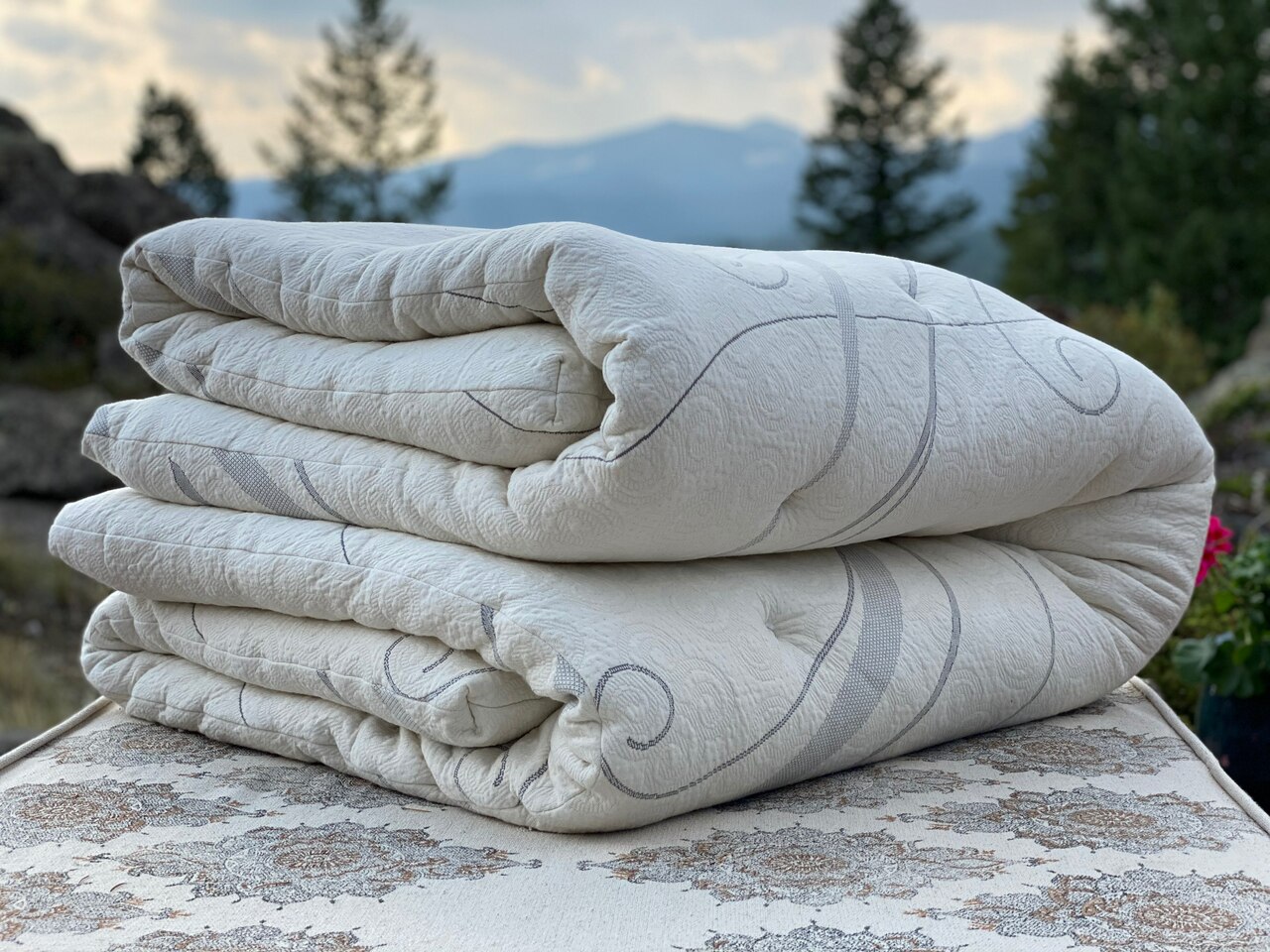
Most RV mattress toppers on the market are memory foam, which creates two problems in a camper. Memory foam traps heat, turning your small sleeping space into a sweat box on warm nights. And it off-gasses volatile organic compounds in an enclosed area with limited ventilation.
Natural latex has neither issue. Its open-cell structure allows airflow through the material, and it produces zero off-gassing because it contains no synthetic chemicals. In the confined sleeping area of an RV, that difference matters every night.
Latex also handles temperature swings far better than memory foam. It will not harden on cold mountain mornings or go soft in desert heat. The feel stays consistent regardless of conditions.
Both types of natural latex work well as RV toppers, but they have different characteristics:
For most RV owners, a medium Talalay topper (ILD 30–32) adds the right amount of comfort without making the sleeping surface too soft.
A 3-inch topper is the sweet spot for RVs. It provides enough material to meaningfully change the feel of your existing mattress without adding excessive height in a space where ceiling clearance is often limited. A 2-inch topper works if your current mattress just needs a slight improvement.
RV beds are rarely standard sizes. Measure your actual sleeping surface, length, width, and check for corner cuts or unusual shapes. Custom-cut toppers ensure full coverage without material hanging over the edge or leaving gaps.
One practical advantage of a latex topper in an RV: it rolls up. When you need the bed area for other purposes, or when storing the camper between trips, a latex topper can be rolled and secured with straps. Latex is resilient enough to return to its original shape after being stored rolled for extended periods.
Place the topper directly on your existing RV mattress. Use a fitted sheet over both the topper and mattress together to prevent shifting during the night. If your RV bed platform is solid plywood, consider placing a breathable moisture barrier beneath the mattress to prevent moisture buildup between trips.
A topper paired with a natural shredded latex pillow gives you a fully chemical-free sleep setup in your camper. No off-gassing, no synthetic materials.
If you decide later that you want a complete latex sleep system, our guide on the best latex mattress for RVs and campers covers full mattress options including custom sizing. For a broader overview of topper options and firmness selection, see our latex topper quick guide.
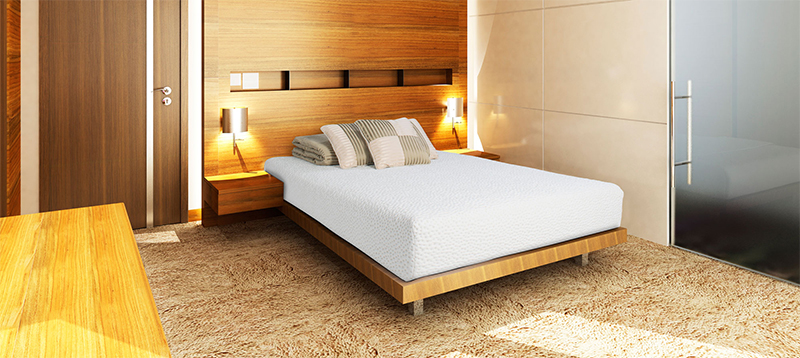
A topper can mask minor sagging by adding a fresh comfort layer on top, but it cannot fix a mattress with deep body impressions or broken-down support. If your RV mattress has visible dips greater than an inch, a full mattress replacement will give better results.
A natural latex topper lasts 8-12 years with normal use. Dunlop toppers tend to last longer than Talalay due to their denser structure. Rotate the topper head-to-foot every few months to ensure even wear.
Yes. Because RV beds often use non-standard dimensions, short queens, narrow bunks, corner-cut shapes, custom sizing is common and recommended. Measure your bed platform precisely and order to those exact dimensions.
A 3-inch topper provides a more noticeable improvement in comfort and is our standard recommendation. Choose 2-inch if ceiling clearance above your bed is very tight or if your existing mattress only needs a slight upgrade.
No. Natural latex sleeps cooler than memory foam and most synthetic materials. The pin-core holes throughout the latex allow air to circulate through the topper, which helps regulate temperature even in warm RV environments.