Have a saved cart?
Enter your email to restore it.

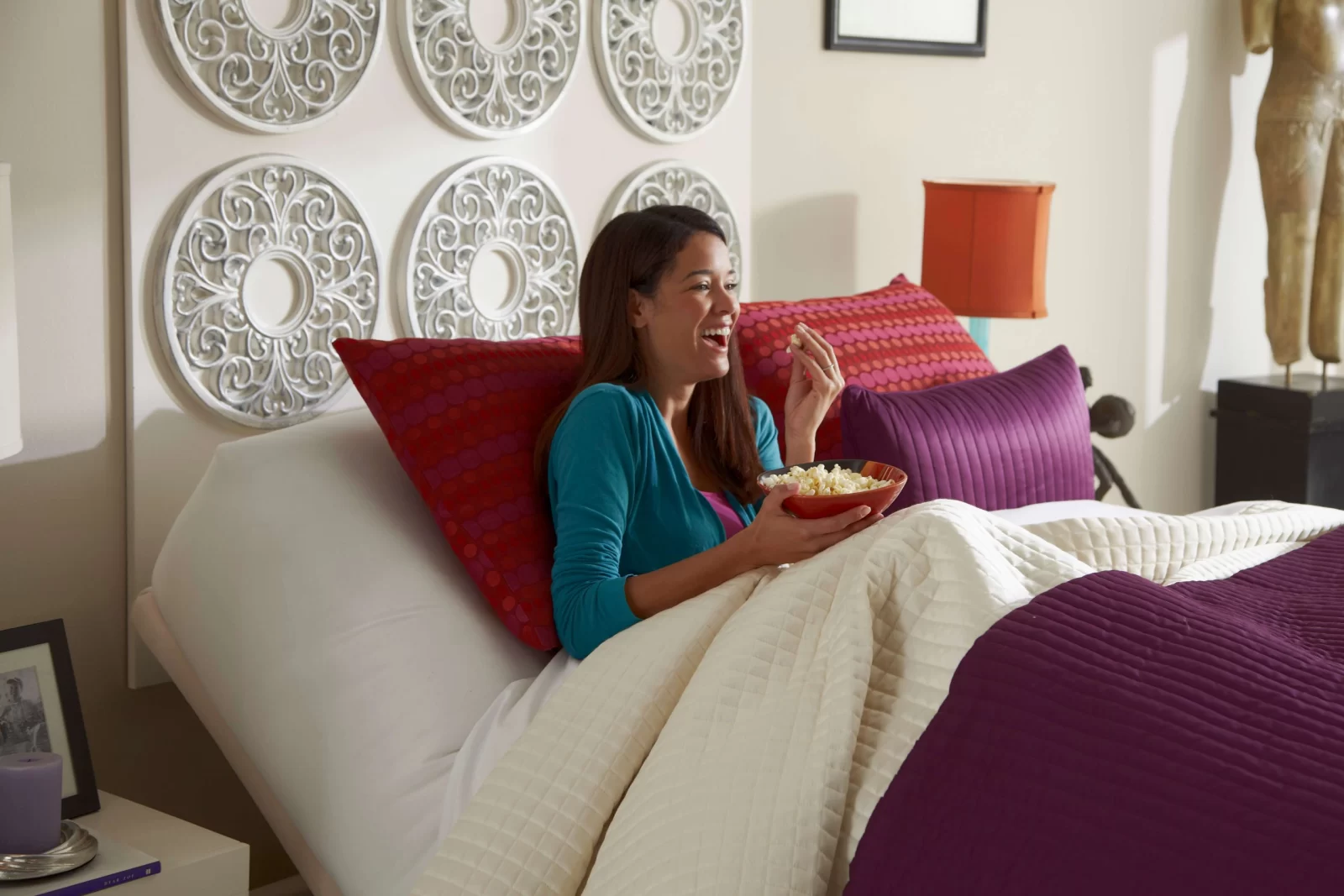
Choosing the best latex mattress for an adjustable bed is critical to getting full value from your investment. The wrong mattress can limit your base’s range of motion, break down prematurely from repeated flexing, or even damage the base itself. A natural latex mattress is the top choice because its inherent flexibility, durability, and comfort are perfectly suited to the demands of an adjustable bed frame.
Not all mattress types can handle the bending, flexing, and repositioning that an adjustable base requires multiple times each night. Below, we rank every major mattress type from best to worst for adjustable bed use, explain what makes each one work or fail, and help you make the right choice.
A natural latex mattress is the best mattress you can pair with an adjustable bed, and it is not close. Here is why latex outperforms every other material in this application.
Adjustable beds need to move, and the mattress must conform perfectly with every position change. Natural latex foam bends smoothly with the base whether you are elevating your legs, raising your head, or using a zero gravity setting. The material returns to its original shape instantly with no memory effect or permanent deformation.
A 100% natural latex mattress typically carries a 20 to 25 year warranty, and for good reason. The density and resilience of natural latex mean it withstands thousands of position changes without breaking down. On an adjustable bed, where the mattress flexes multiple times per night, durability is not optional. Latex delivers it better than any alternative.
The absence of filler materials in 100% natural latex is key. Blended or synthetic latex mattresses contain cheaper materials that degrade faster under repeated stress. If you want a mattress that lasts on an adjustable base, choose pure natural latex.
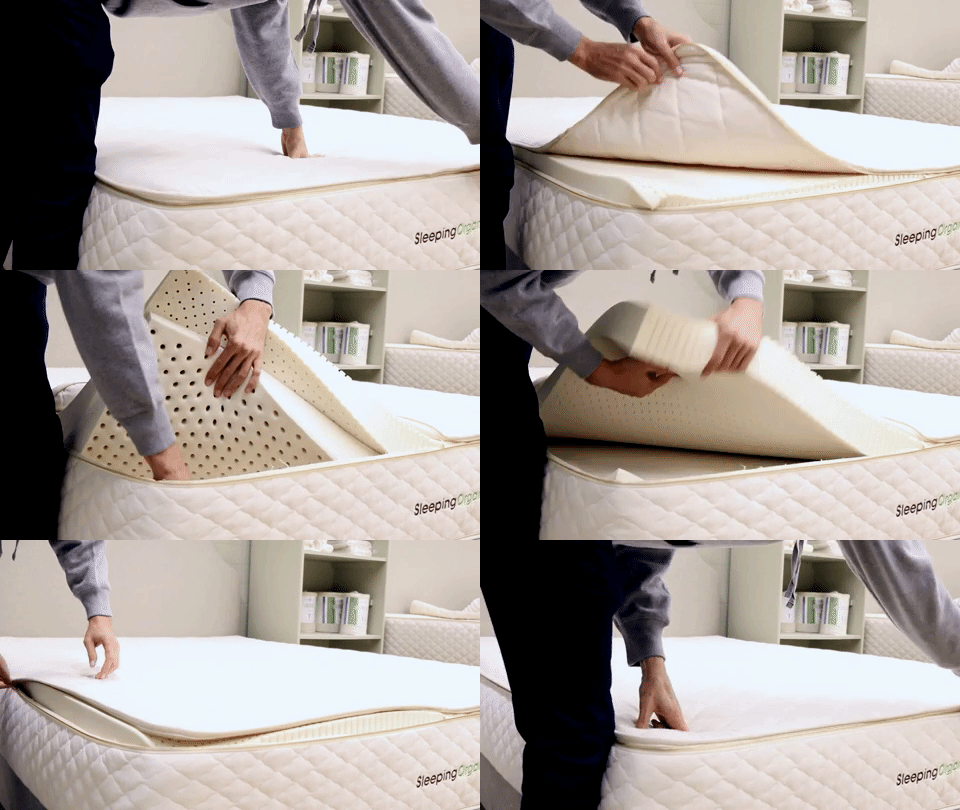
Latex mattresses use an internationally recognized ILD (Impression Load Deflection) scale to rate firmness precisely. This means you know exactly how soft or firm each layer of your mattress will feel before you buy it. At Sleeping Organic, you can customize each layer to match your body weight, sleep position, and comfort preferences.
Memory foam companies, by contrast, rely on vague internal ratings like “soft,” “medium,” or “firm” with no standardized measurement behind them.
Latex has a naturally responsive, springy feel that supports your body without letting you sink in too deeply. This responsive quality relieves pressure points along the shoulders, hips, and back while keeping your spine properly aligned. Memory foam, by comparison, has a slow-sinking feel that many sleepers find causes morning soreness.
A 100% natural latex mattress is made from the sap of rubber trees and contains no petroleum-based chemicals. When you spend eight hours on a mattress every night for decades, the materials matter. Natural latex is hypoallergenic, antimicrobial, and free from the off-gassing associated with synthetic foams.
For the highest standard, look for GOLS-certified organic latex. Sleeping Organic uses 100% GOLS certified organic latex in our natural latex mattress, ensuring every layer meets strict organic processing requirements. Learn more about the difference between natural and synthetic latex.
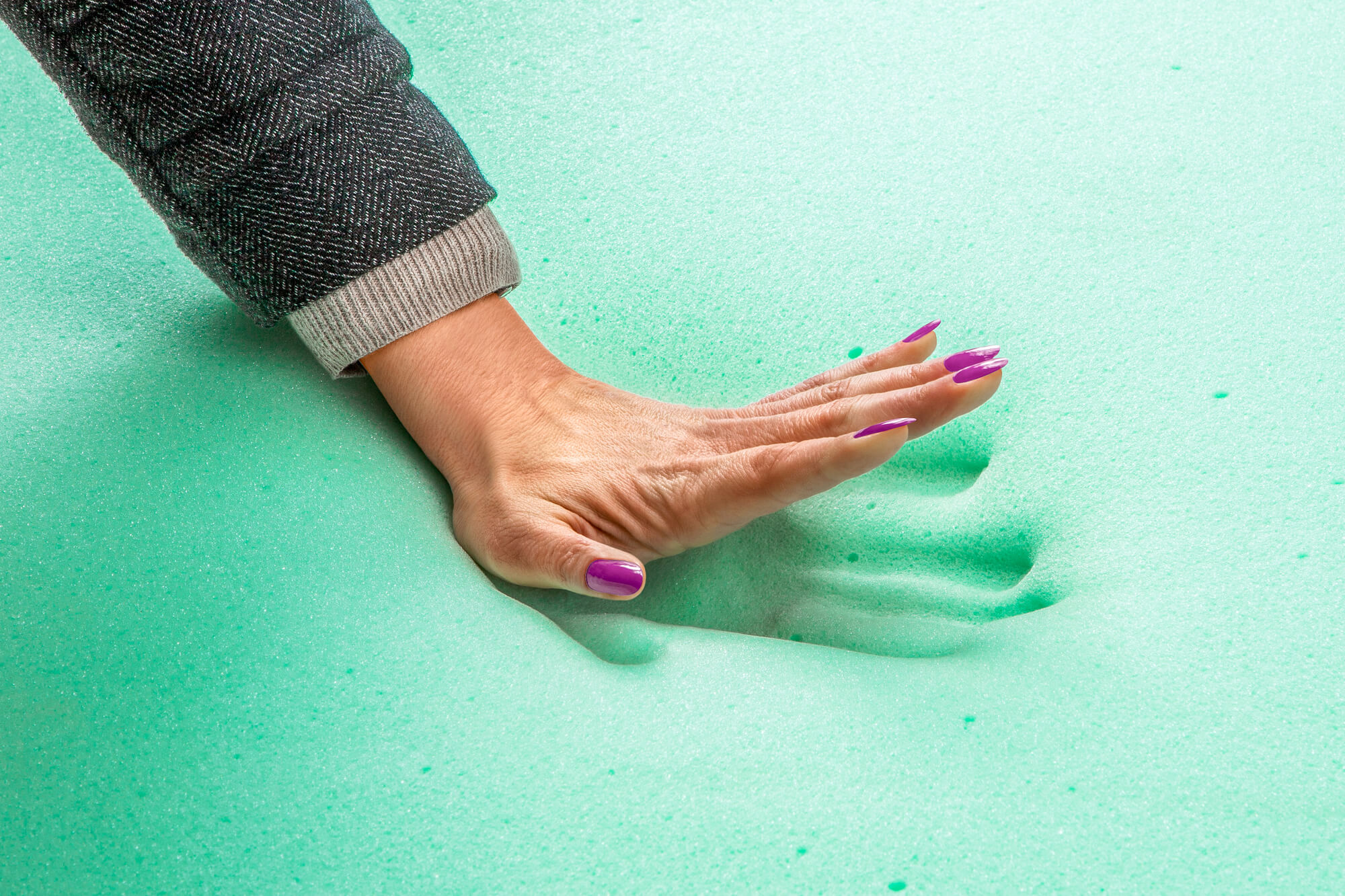
Memory foam is the second-best option for adjustable beds. As long as the mattress is 100% foam (not a hybrid with coils), most memory foam beds flex adequately with an adjustable base. However, the drawbacks are significant.
Pocketed coil mattresses use individually wrapped small coils topped with a foam comfort layer. Because the coils are small and independent, the mattress can bend enough to function on most adjustable beds. It does not flex as smoothly as pure latex or memory foam, but it falls into the acceptable range for adjustable bed use.
Hybrid mattresses combine foam (memory foam, latex, or gel) with an innerspring system. Quality varies widely. Some hybrids flex reasonably well on adjustable bases, while others are too rigid. If you choose a hybrid, verify with the manufacturer that it is rated for adjustable bed use before buying.
The following mattress types either will not work with an adjustable base or will be damaged by one. Avoid these entirely.
Bending an air mattress on an adjustable base stresses the internal air pockets. Even if they survive the first use, the seams gradually break down and leak. Air mattresses are not built for the repeated flexing that adjustable beds require.
When you raise one end of a water mattress, the water rushes to the other end, creating an uneven and uncomfortable surface. Water beds do not provide adequate support for adjustable bed use and are not recommended for general sleep either.
Traditional innerspring mattresses use large, rigid metal coils that cannot bend with an adjustable base. Forcing them to flex risks damaging both the mattress and the base hardware. If your mattress is labeled “pillow top,” it is likely an innerspring bed with a thin foam layer on top and should be avoided.
Many bed-in-a-box brands use cheap, low-density foam to keep costs down. These mattresses often break down within a few years even on a flat surface. Adding the stress of an adjustable base shortens their lifespan further. While some higher-quality compressed mattresses may work, the majority are poor long-term choices for adjustable beds.
Mattress thickness affects how well it bends on an adjustable base. We recommend staying under 13 inches. Thicker mattresses resist flexing, which reduces your base’s range of motion and can diminish features like massage and zero gravity positioning.
Your mattress will flex thousands of times over its lifetime on an adjustable bed. Choose a material that can handle this without losing support. Natural latex offers the best durability of any mattress material, which is why it pairs so well with adjustable bases.
A quality organic mattress foundation provides the stable, flat surface your adjustable base needs to operate properly. The right foundation protects your investment and ensures your sleep setup performs at its best.
For couples with different comfort preferences, consider a split king latex mattress on dual Twin XL adjustable bases. This gives each partner independent control over their sleep position and mattress firmness.
Adjustable beds do not ruin compatible mattresses. Latex, memory foam, and pocketed coil mattresses are designed to flex and will hold up well. However, using incompatible types like innerspring, air, or water mattresses on an adjustable base can damage both the mattress and the base.
Yes. Firmness does not determine compatibility with an adjustable bed. What matters is the mattress material. An extra firm natural latex mattress bends just as smoothly as a soft one on an adjustable base. Avoid firm innerspring mattresses, which are too rigid regardless of feel.
Keep your mattress under 13 inches thick. Mattresses thicker than this resist bending, which limits the adjustable base’s range of motion and can interfere with features like massage and zero gravity positioning.
The term “adjustable mattress” has no standardized definition. Some people use it to describe any mattress compatible with an adjustable base. Others use it for mattresses with adjustable firmness settings. At Sleeping Organic, our personalized latex mattress qualifies as adjustable because the individual layers can be rearranged and swapped to change firmness at any time.
Yes. Latex outperforms memory foam in durability, flexibility, breathability, and health safety on an adjustable bed. Memory foam’s primary advantages are lower upfront cost and slightly lower motion transfer. For long-term adjustable bed use, latex is the clear winner.
It depends on the mattress type. If you currently have a 100% foam mattress (latex or memory foam) under 13 inches thick, it will likely work. Innerspring, hybrid, air, and water mattresses should not be used. When in doubt, contact the mattress manufacturer to confirm compatibility.