Have a saved cart?
Enter your email to restore it.

If you wake up stiff, sore, or with a dull ache in your lower back, your mattress may be doing more harm than good. A latex mattress for back pain is one of the most recommended sleep solutions by physical therapists and sleep specialists, not because latex is trendy, but because of how it actually behaves under the body. This guide breaks down exactly why latex works, how to match the right configuration to your specific pain type, and how to avoid the most common firmness mistakes.
Back pain during or after sleep usually comes down to one of two problems: too much pressure on sensitive joints and tissue, or too little support causing the spine to fall out of alignment. Most mattresses solve one at the expense of the other. Latex, when properly configured, addresses both simultaneously.
Memory foam is often marketed as the go-to for back pain, and it does relieve pressure well. But memory foam is temperature-sensitive and slow to respond. When you shift positions, the foam holds your body in a depression for several seconds before it reacts. For back pain sufferers who move frequently during sleep, this creates a repeated micro-strain as the spine transitions through unsupported positions.
Natural latex is fundamentally different. It responds immediately to movement, compressing where there’s pressure and pushing back where there isn’t. This responsiveness means your spine is supported continuously, not just when the foam has had time to catch up with your body. Many sleepers with chronic back pain report that this “live” quality of latex makes a noticeable difference, particularly in the early morning hours when pain tends to peak.
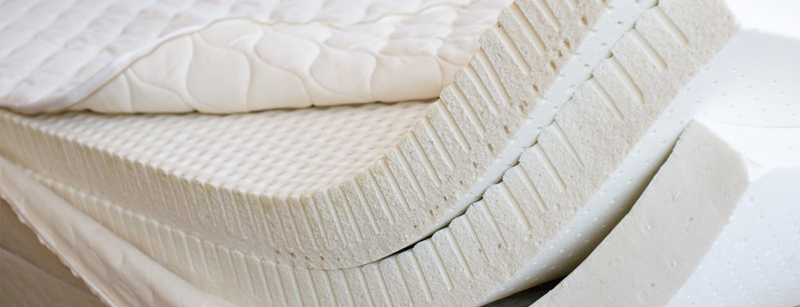
The reason latex can relieve pressure without collapsing is its open-cell structure. Each layer of natural latex foam contains millions of interconnected air cells that compress locally under your heaviest points, hips, shoulders, lower back, while the surrounding cells remain firm enough to support spinal alignment. The result is a sleep surface that contours to your shape without letting your hips or midsection sink through to a harder layer below.
This distinction matters most for back pain. When hips sink too deeply into a soft mattress, the lumbar spine flexes into a C-curve. When a mattress is too firm, the natural inward curve of the lower back loses contact with the surface and has no support at all. Well-configured latex keeps the spine in a neutral position throughout the night.
| Feature | Natural Latex | Memory Foam |
|---|---|---|
| Response to movement | Immediate (pushes back) | Slow (holds the impression) |
| Pressure relief | Excellent | Excellent |
| Spinal alignment | Strong (doesn’t sink) | Variable (depends on firmness) |
| Heat retention | Low (breathable open-cell structure) | High (traps body heat) |
| Customizability | High (adjustable layers) | Low (fixed foam layers) |
| Durability | 15–25 years | 7–10 years |
| Off-gassing concerns | None (100% natural) | Possible (petrochemical-based) |
For back pain specifically, the responsiveness and customizability columns are the most important. A natural latex mattress lets you dial in the exact firmness configuration your body needs, and adjust it over time if your needs change. No other mattress type offers that level of control.
Not all back pain is the same, and the ideal mattress configuration varies depending on where your pain is located and what’s causing it. Below are general guidance principles, if you’re dealing with a diagnosed condition, always consult your healthcare provider in addition to making mattress changes.
Lower back pain is the most common sleep-related complaint, and it’s usually triggered by one of two things: insufficient lumbar support (the lower back loses contact with the mattress and hangs unsupported) or excessive hip sinkage that forces the lumbar spine into flexion.
For lower back pain, a medium to medium-firm configuration typically works best for most sleep positions. The goal is a mattress that supports the natural inward curve of the lumbar spine without pressing up into it. A back sleeper with lower back pain often does well with a firmer Dunlop base layer topped with a medium Talalay comfort layer, firm enough to prevent sinkage, soft enough to let the lower back make full contact with the surface.
Upper back pain during sleep often originates from shoulder tension, particularly in side sleepers whose shoulders are compressed against a surface that doesn’t give enough. This creates a chain reaction up through the thoracic spine and into the neck.
For upper back and shoulder pain, the top comfort layer of your mattress needs to be soft enough to allow the shoulder to sink in slightly, relieving pressure at that point. A soft Talalay layer on top can make a significant difference here, particularly for side sleepers. The layers below should remain firm enough to prevent the entire torso from collapsing, which would throw the spine out of lateral alignment.
Sciatica, pain, numbness, or tingling that radiates from the lower back down through one or both legs, is often aggravated during sleep when the piriformis muscle or sciatic nerve is compressed. Side sleepers with sciatica frequently find that sleeping on the unaffected side with a pillow between the knees reduces symptoms. Back sleepers often benefit from elevating the legs slightly to reduce compression at the lumbar-sacral junction.
A medium-firm latex configuration helps prevent the hips from sinking in ways that increase sciatic nerve compression. An adjustable base that elevates the foot section can be a meaningful complement to the right mattress, more on that below.
A herniated disc requires a mattress that maintains strict neutral spinal alignment, neither allowing the spine to flex into flexion (too soft) nor into hyperextension (too firm, particularly for back sleepers whose lumbar curve loses contact with the surface).
Many people with herniated discs find a medium-firm to firm configuration most supportive, with a thin Talalay comfort layer to prevent bony prominences from creating pressure points. However, this is highly individual depending on which disc is affected and the direction of the herniation. If you’re unsure where to start, Sleeping Organic’s 365-day comfort program means you’re not locked into your initial configuration, layers can be exchanged as you find what works.
| Sleep Position | Pain Type | Recommended Firmness | Layer Notes |
|---|---|---|---|
| Back sleeper | Lower back pain | Medium-firm | Firm Dunlop base, medium Talalay top |
| Back sleeper | Herniated disc | Firm | Firm Dunlop throughout, thin soft Talalay top |
| Side sleeper | Lower back pain | Medium | Soft Talalay top, medium Dunlop base |
| Side sleeper | Upper back / shoulder | Medium-soft | Soft or extra-soft Talalay top |
| Side sleeper | Sciatica | Medium | Soft Talalay top, firm base for hip support |
| Stomach sleeper | Lower back pain | Firm | Firm Dunlop throughout, prevents hip sinkage |
| Combination sleeper | General back pain | Medium | Medium Talalay top, medium-firm Dunlop base |
For a deeper look at how latex types affect firmness feel, see our guide on Dunlop vs. Talalay latex.
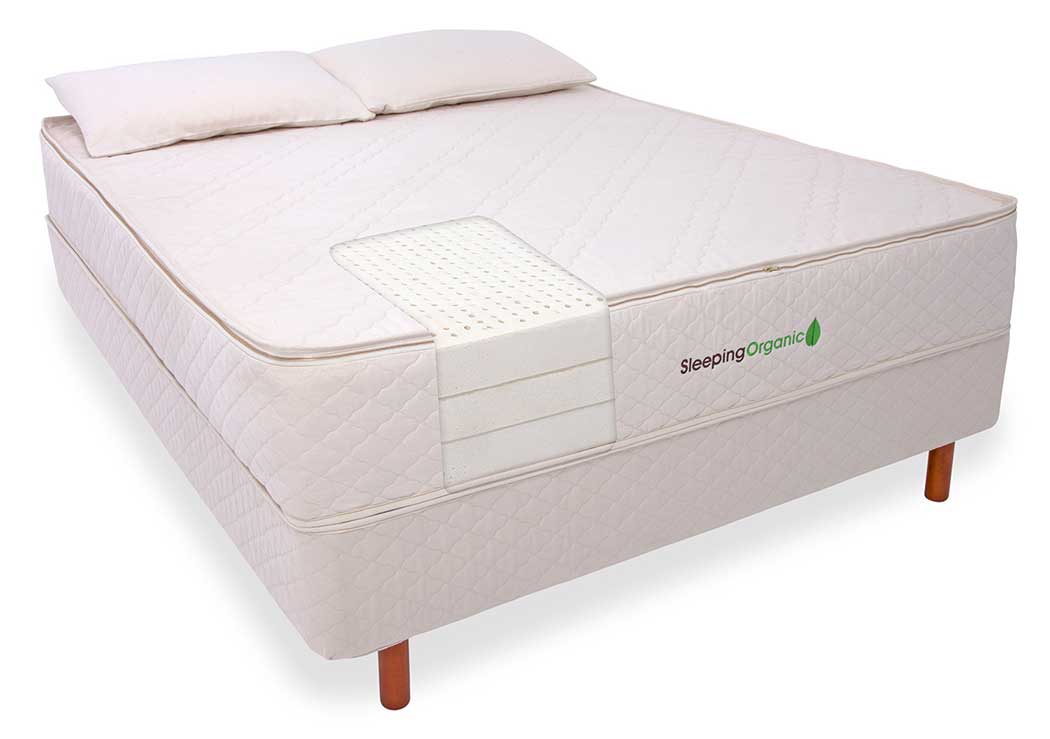
All Sleeping Organic mattresses are built with 100% natural Dunlop and Talalay latex, wrapped in an organic cotton and wool cover. Each model uses a removable zip encasement so you can rotate or adjust the internal layers, which is particularly valuable for back pain sufferers whose needs may shift over time.
The Sprout is the entry-level model at seven inches and two latex layers. It’s a capable mattress for back and stomach sleepers who need a firmer, simpler configuration. Because it has fewer layers, the Sprout has less room for softness, it works best for back pain sufferers who already know they need firm support and don’t want or need a plush comfort layer.
At ten inches and three layers, the Leaf offers meaningful versatility. The third layer creates more room for a distinct comfort layer on top while still maintaining a firm support core below. This is a strong option for back pain sufferers who need pressure relief along with support, the configuration common for lower back pain in back and side sleepers in the mid-weight range.
The Tree is the flagship model at thirteen inches and four layers. Four layers give the widest range of possible configurations, from very soft to very firm, and allow for the most nuanced customization. For complex back pain situations, combination sleepers, or anyone who is genuinely unsure where to start and wants maximum flexibility, the Tree offers the most options. Its depth also means more cushioning potential without sacrificing the support structure underneath.
All three models are available as a natural latex mattress, configured to your weight, sleep position, and pain needs. For more detail on how custom latex mattresses are built, see our post on what a custom latex mattress actually is.
| Scenario | Recommended Model | Starting Configuration |
|---|---|---|
| Back sleeper, lower back pain, under 180 lbs | Leaf (10″) | Medium Dunlop base, soft Talalay top, medium Dunlop middle |
| Back sleeper, lower back pain, over 200 lbs | Leaf or Tree | Firm Dunlop base, medium Talalay top |
| Side sleeper, shoulder + lower back, under 160 lbs | Tree (13″) | Soft Talalay top, medium Talalay second layer, firm Dunlop base layers |
| Side sleeper, sciatica, 160–220 lbs | Tree (13″) | Soft Talalay top, medium Dunlop second layer, firm Dunlop base |
| Combination sleeper, general back pain | Tree (13″) | Medium Talalay top, medium Dunlop middle layers, firm Dunlop base |
| Stomach sleeper, lower back pain | Sprout or Leaf | Firm Dunlop throughout |
One factor that doesn’t get enough attention in mattress discussions is the role of sleeping position geometry, specifically, what happens to lumbar pressure when your legs are flat versus elevated.
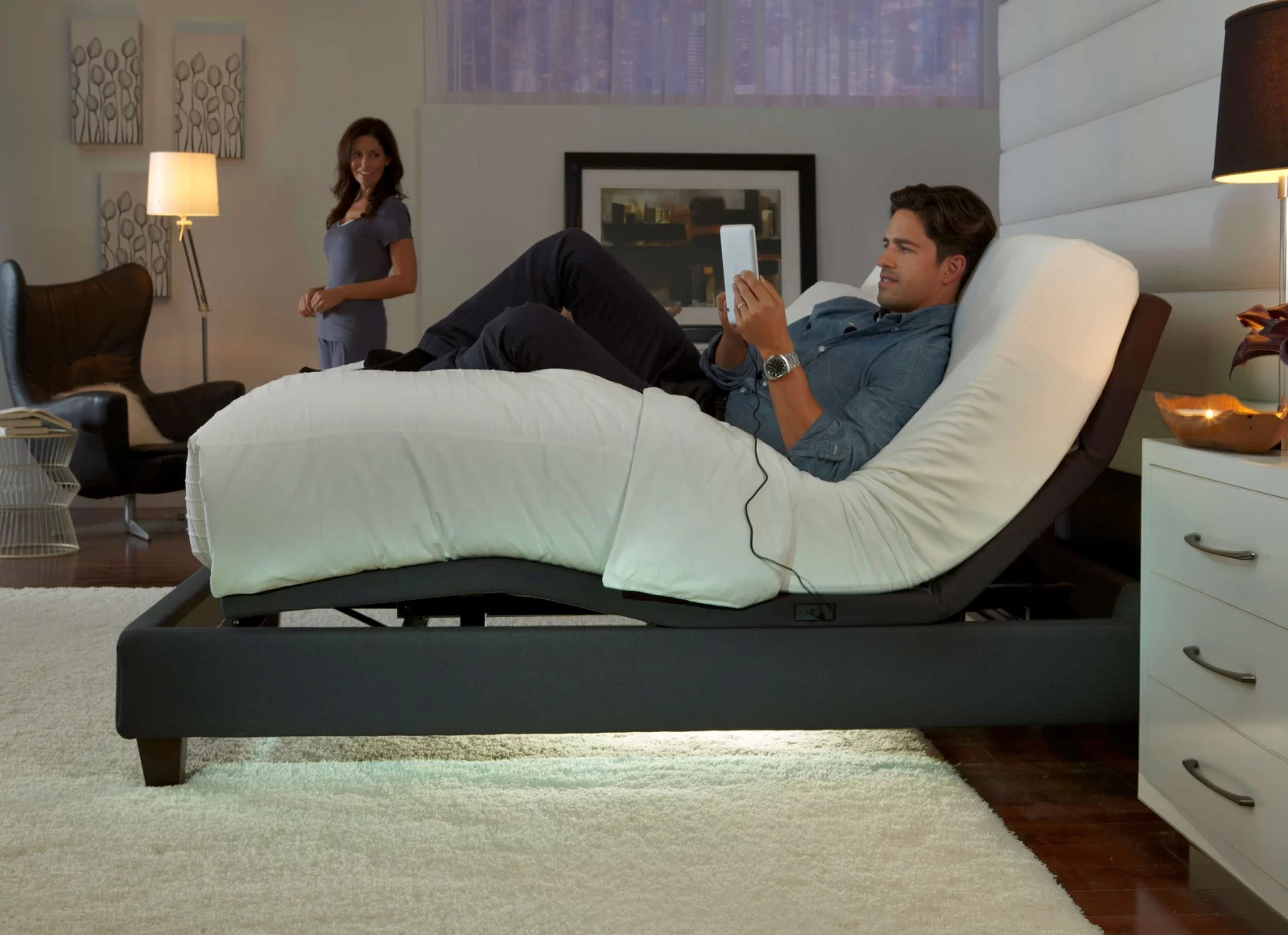
When you lie flat on your back, the psoas muscle (which connects the lumbar spine to the femur) is in a lengthened, sometimes strained position. Elevating the legs 10–20 degrees using an adjustable base releases that tension significantly, reducing compressive pressure on the lumbar discs. Many physical therapists recommend this positioning for lower back pain and sciatica specifically.
Raising the head and torso slightly can also decompress the spine and reduce acid reflux, a secondary complaint that often disrupts sleep for back pain sufferers who take anti-inflammatory medications.
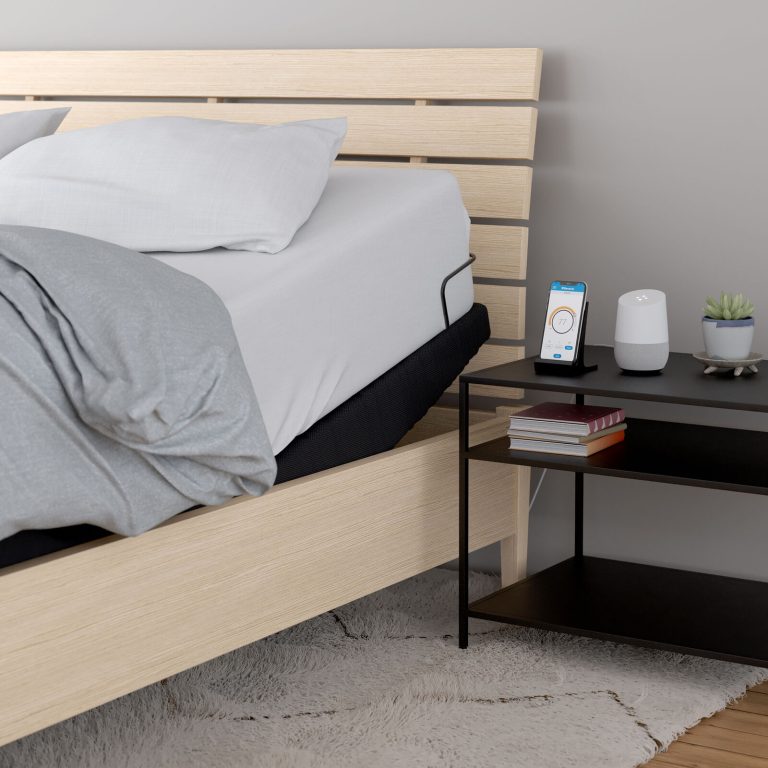
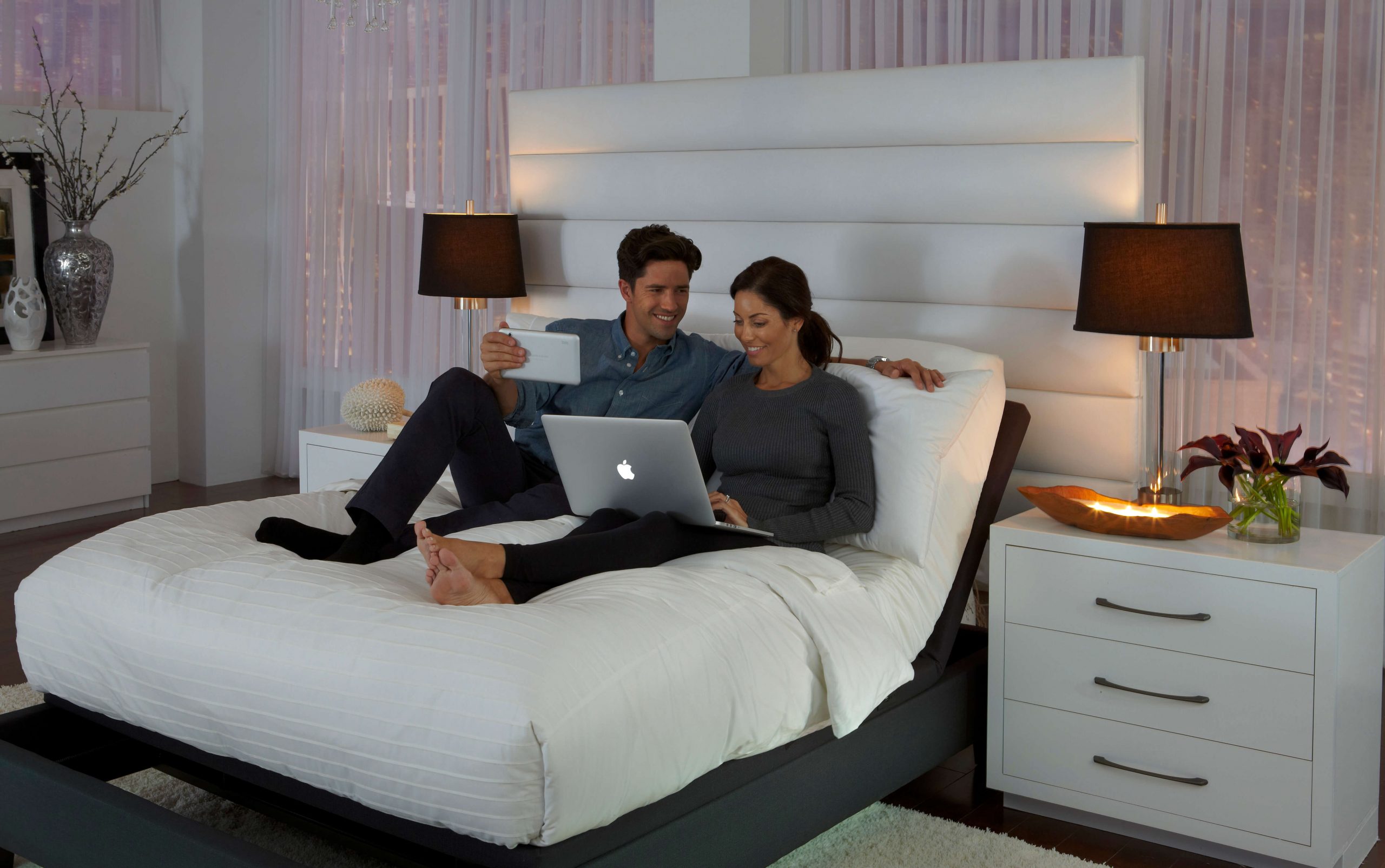
Natural latex mattresses are compatible with adjustable bases because latex is flexible and doesn’t crack or break down when bent repeatedly. Innerspring and many hybrid mattresses are not suitable for adjustable bases. For those considering this combination, our post on the best latex mattress for adjustable bases covers what to look for in detail.
A proper organic mattress foundation is equally important, it provides the stable, even surface that allows a latex mattress to perform correctly and maintain its support properties over time.
Even a perfectly configured mattress can undermine spinal alignment if your pillow is putting the cervical spine out of position. For back pain sufferers, neck alignment matters more than most people realize, tension in the upper cervical region can refer pain down through the trapezius and into the thoracic spine.
A natural shredded latex pillow is adjustable. You can add or remove fill to dial in the exact loft that keeps your neck in a neutral position for your sleep position and shoulder width. Unlike solid foam pillows that lose support over time, shredded latex maintains its resilience for years.
One of the genuine challenges with back pain and mattress shopping is that you can’t always know what configuration will work best until you’ve slept on it for several weeks. What feels right in a showroom, or in the first few days at home, isn’t always what your body needs long-term.
Sleeping Organic’s 365-day comfort program addresses this directly. If your mattress needs to be firmer or softer after purchase, layers can be exchanged within the first year. For anyone managing back pain, where the stakes of getting firmness wrong are real. This is a significant assurance. You’re not committing to a configuration forever; you’re committing to finding the right one.
For a full look at the advantages and tradeoffs of latex mattresses, see our post on latex mattress pros and cons.
It depends on your sleep position and body weight. Back sleepers generally do better with a medium-firm to firm configuration that supports the lumbar curve. Side sleepers typically need a softer comfort layer to allow the hips and shoulders to sink in enough to keep the spine level. The wrong firmness in either direction can worsen back pain, which is why customizable latex layers are so valuable for this use case.
Many sleepers with lower back pain report meaningful improvement after switching to a well-configured latex mattress. Latex’s responsive support helps maintain lumbar alignment throughout the night, and its zoned pressure relief prevents the hip sinkage that puts the lower back into a strained flexed position. Results are individual, but the mechanical properties of latex are well-suited to what lower back pain requires from a sleep surface.
Dunlop latex is denser and firmer, making it the preferred choice for support layers and for sleepers who need a firm sleep surface. Talalay latex is lighter, more buoyant, and softer, making it well-suited for comfort layers where pressure relief is the priority. Most well-configured latex mattresses for back pain use Dunlop for the base and Talalay on top. For a full comparison, see our guide on Dunlop vs. Talalay latex.
For many back pain sufferers, yes, particularly those who move frequently during sleep. Memory foam’s slow response means the spine passes through unsupported positions during position changes. Latex responds immediately, providing consistent support regardless of how much you shift. Latex also sleeps cooler, which matters because heat retention can increase muscle tension and disrupt sleep quality.
Most people with sciatica benefit from a medium to medium-firm configuration, firm enough to prevent hip sinkage that increases nerve compression, but with a soft enough comfort layer to relieve pressure at the piriformis and hip. Pairing a properly configured latex mattress with an adjustable base that allows leg elevation can offer additional relief by reducing lumbar-sacral compression.
Yes, and this is one of the most important advantages of a custom latex mattress for back pain. Because the latex layers are accessible through a removable zip cover, you can rotate layers or exchange them for different firmness levels as your needs evolve. Sleeping Organic’s 365-day comfort program specifically supports this, allowing layer exchanges within the first year of ownership.
Yes. A sagging, uneven, or inadequate foundation changes how a mattress performs, even a high-quality latex mattress can develop soft spots or uneven support if the foundation beneath it isn’t solid and flat. An organic mattress foundation designed for a latex mattress provides the even, rigid surface that allows the latex layers to do their job correctly.
Most sleep experts suggest giving any new mattress at least 30 days before drawing conclusions, your body needs time to adjust to a new sleep surface, and initial sensations (whether positive or negative) often don’t reflect the long-term experience. For back pain specifically, improvements may come gradually as muscles relax and spinal alignment improves over consecutive nights. With a 365-day comfort program, you have a full year to evaluate and adjust if needed.