Have a saved cart?
Enter your email to restore it.

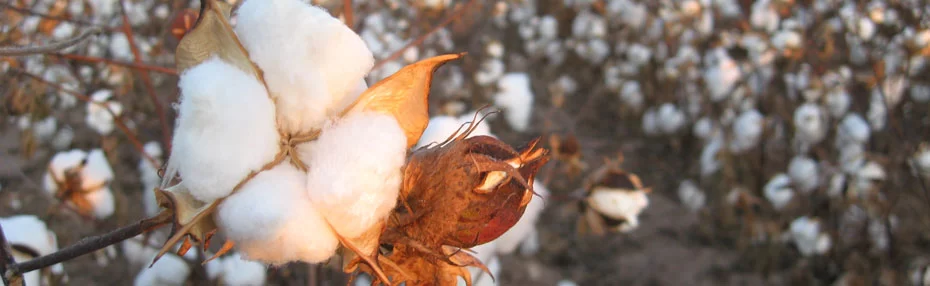
Organic cotton is one of the three core materials in a well-made organic mattress, alongside natural latex and organic wool. It’s often overlooked in favor of the more talked-about latex core, but the cotton cover and batting play a meaningful role in sleep comfort, health, and durability. Here’s what organic cotton actually offers, and why it’s worth caring about.
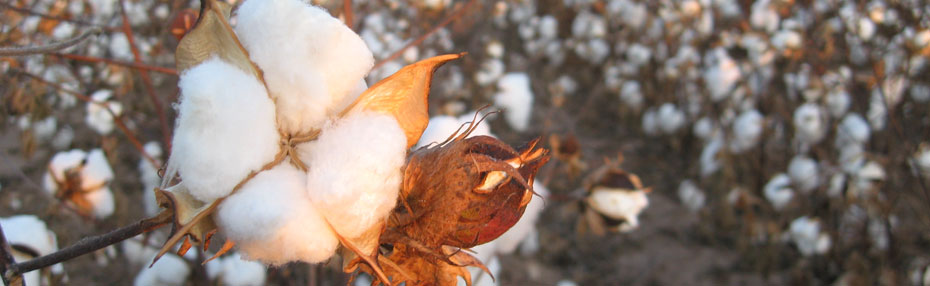
Conventional cotton is one of the most pesticide-intensive crops in agriculture. It accounts for a disproportionate share of global insecticide use relative to the land it occupies. Those pesticides leave residues in the fiber, in the soil, and in nearby water supplies.
Organic cotton describes how the cotton is grown. The finished fabric can also undergo spinning, weaving, dyeing, and finishing. Ask about the cover material and its processing rather than assuming the finished mattress carries the same claims as its raw fibers.
Beyond the absence of chemicals, organic cotton has physical properties that make it well-suited to a mattress cover:
In a typical organic mattress construction, organic cotton forms the outer cover shell while organic wool batting is quilted inside it. The wool adds loft, softness, and natural flame resistance. The cotton provides structure and breathability. Together, they create a sleep surface that manages moisture and temperature without synthetic materials.
This combination allows the mattress to meet federal flammability standards (16 CFR Part 1633) naturally, the wool acts as the flame barrier, without the chemical flame retardants used in conventional mattress construction.
Choosing organic cotton has downstream environmental effects beyond your own health. Organic farming practices improve soil health over time, reduce chemical runoff into waterways, and support biodiversity in agricultural regions.
Cotton is biodegradable. When an organic cotton cover reaches end of life, it breaks down naturally, unlike synthetic mattress fabrics that persist in landfill.
Check the actual cover specification and request documentation for that fabric. A claim about one material or supplier should not be extended to every component in a mattress.
For a detailed breakdown of what mattress certifications actually verify, see our post on organic mattress certifications. For a deeper look at how organic cotton is used in latex mattress construction specifically, read organic cotton in latex mattresses.
Our Natural Latex Mattress is covered in organic cotton with organic wool batting quilted in. No synthetic covers, no chemical finishes.