Have a saved cart?
Enter your email to restore it.

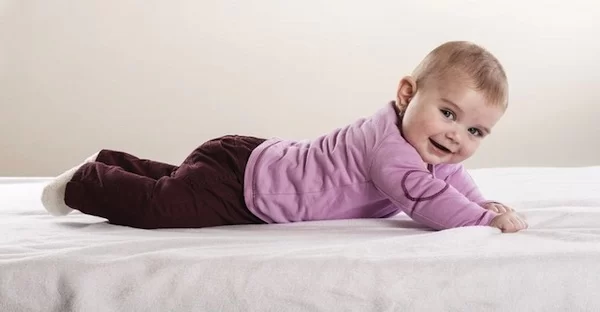
Newborns sleep 14 to 18 hours a day. For the first six months of life, a baby’s sleeping surface is one of the most important environmental factors parents can control, that’s why the link between mattress materials and SIDS deserves a clear, honest look.
Sudden Infant Death Syndrome (SIDS) is the unexpected death of an apparently healthy infant under the age of one, with no identifiable cause found after a thorough investigation. About 90% of SIDS cases occur in infants under six months old. Despite decades of research and millions of cases studied worldwide, a definitive cause has not been established.
What researchers have identified are risk factors, and sleeping environment is consistently near the top of that list.
One hypothesis that has circulated in the infant safety community involves toxic gases generated by certain mattress materials. Conventional crib mattresses often contain polyurethane foam, vinyl covers, and chemical fire retardants. Some researchers have proposed that fungi present in mattresses can interact with phosphorus, arsenic, and antimony compounds in those materials to produce toxic gases. While this theory remains debated in the scientific literature. It has prompted many parents to reconsider what their babies are sleeping on.
For a deeper look at the relationship between fire retardant chemicals and sleep safety, see our post on latex mattresses and fire retardants.

Standard crib mattresses frequently include:
Infants breathe at a higher rate than adults and spend far more time in close contact with their sleeping surface. Their developing systems are more vulnerable to chemical exposure, a fact that makes the materials inside a crib mattress worth scrutinizing.
An organic latex mattress uses materials that avoid the chemical load found in conventional options. Natural latex is derived from rubber tree sap and processed without the petrochemical additives used in synthetic foam. Organic wool, used as a natural flame barrier, meets federal fire safety standards without chemical treatment. Organic cotton covers are grown and processed without synthetic pesticides or dyes.
None of these materials are marketed as SIDS prevention. But they represent a measurable reduction in chemical exposure for a sleeping infant, which is reason enough for many parents to choose them.
Mattress material is one piece of a larger picture. The American Academy of Pediatrics recommends:
An organic mattress supports several of these guidelines. Natural latex provides a firm, supportive surface. Wool’s natural breathability helps regulate temperature and reduces overheating risk. Neither contributes the chemical off-gassing associated with synthetic alternatives.
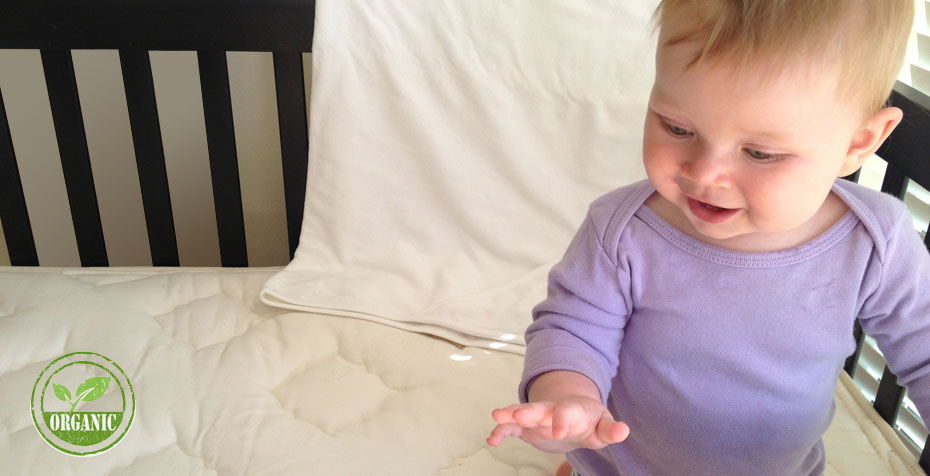
When evaluating mattress materials, read the material specifications and ask which supplier documents apply. GOLS concerns organic latex. A certificate for the latex does not certify the cover or the assembled mattress.
Read more about what certifications actually mean in our guide to organic latex mattresses for babies and children.
An organic crib mattress is the starting point, but the entire sleep setup matters. The same organic principles apply to adult bedding. Our natural latex mattress uses GOLS-certified organic latex, organic wool, and organic cotton, the same materials that make organic crib mattresses safer for infants. Pair it with a natural shredded latex pillow and an organic mattress foundation to keep your entire family’s sleep environment free from synthetic chemicals.
For more on how pesticides and chemicals end up in conventional bedding, read our post on hidden chemicals in your mattress.
No mattress can prevent SIDS. Organic mattresses reduce chemical exposure from off-gassing materials, but they are not a medical intervention. Safe sleep practices from the AAP remain the most important protective measures.
Conventional crib mattresses contain materials that off-gas VOCs and may include chemical flame retardants. The long-term health implications for infants are not fully understood, but reducing chemical exposure is a reasonable precaution.
For organic latex, ask about the applicable GOLS supplier documentation. Match every claim to the material it covers rather than relying on a general label.
Natural latex derived from rubber tree sap is generally considered safe and does not require the chemical additives used in synthetic foam. It provides a firm, supportive surface appropriate for infant sleep. Note that latex allergy exists but is rare in infants with no prior exposure.
Wool is naturally flame-resistant due to its high moisture and nitrogen content. It meets federal flammability standards without chemical treatment, making it the preferred flame barrier in organic mattress construction.
Yes, organic crib mattresses typically cost more upfront due to the higher cost of certified organic materials. However, organic latex is significantly more durable than synthetic foam, and the health benefits of eliminating chemical exposure during your baby’s most vulnerable developmental period represent a meaningful return on investment.