Have a saved cart?
Enter your email to restore it.

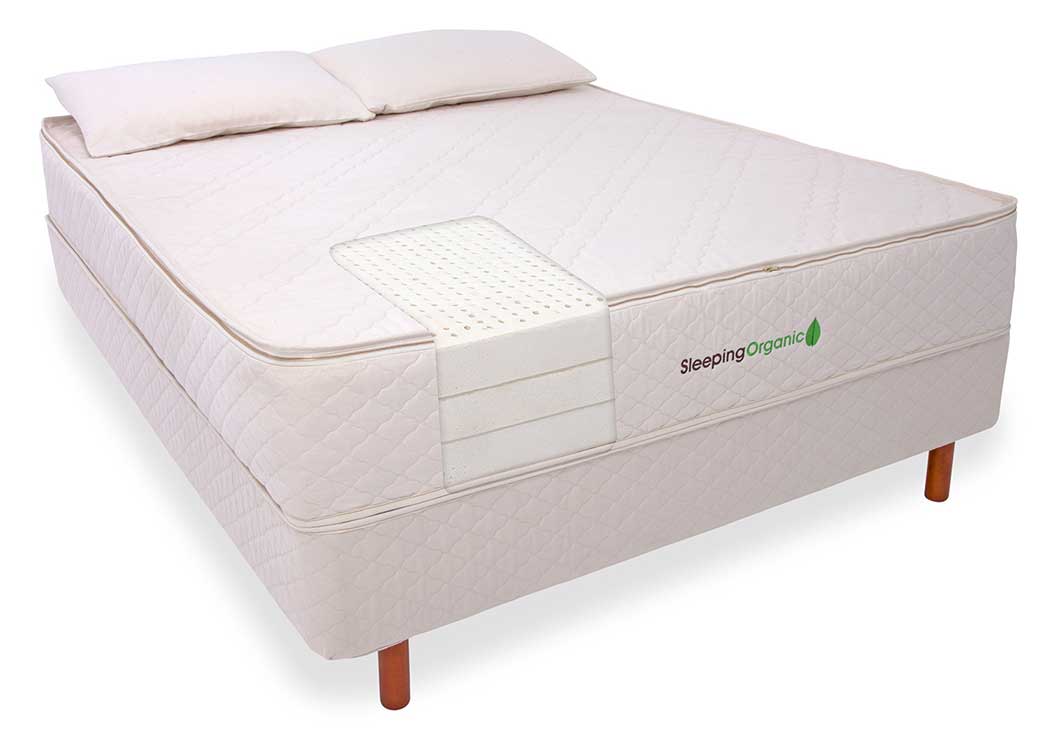
An organic latex mattress is made from three simple ingredients: organic latex, organic cotton, and organic wool. No polyurethane foam, no chemical flame retardants, no synthetic fillers. This combination creates a sleep surface that is healthier, more durable, and more comfortable than conventional mattresses. If you spend roughly one-third of your life in bed, what your mattress is made of genuinely matters.
This guide covers every meaningful benefit of an organic latex mattress, explains how each organic component contributes to better sleep, and compares the real differences between organic and conventional mattresses.
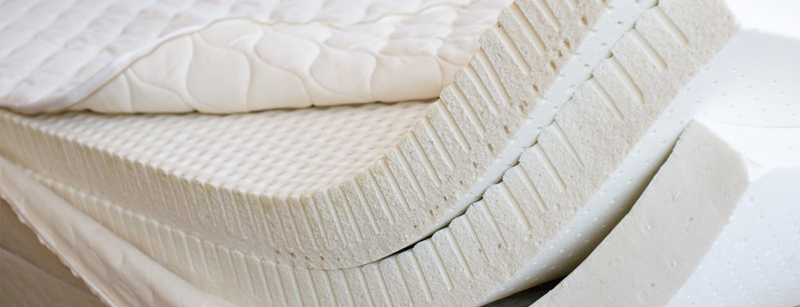
Conventional mattresses are manufactured with polyurethane foam, chemical flame retardants, and synthetic adhesives that release volatile organic compounds (VOCs) into your bedroom air. This is known as off-gassing, and it is why new conventional mattresses often have a strong chemical smell.
Organic latex mattresses eliminate this problem entirely. The latex is harvested from rubber trees and processed without harsh chemicals. The organic cotton cover is grown without pesticides. And organic wool serves as a natural flame barrier, replacing the chemical flame retardants required by federal regulation 16 CFR Part 1633.
The result is a mattress that is safe to sleep on from day one, with no break-in period needed to let chemicals dissipate.
Every component of an organic latex mattress is naturally resistant to the allergens that plague conventional bedding:
This makes an organic latex mattress an excellent choice for allergy sufferers and anyone with respiratory sensitivities. Unlike polyurethane foam, which has an open-cell structure that traps dust, skin cells, and moisture, latex naturally resists these accumulations.
One of the most underappreciated benefits of an organic latex mattress is its natural temperature regulation. This is primarily due to organic wool, which is a hygroscopic fiber capable of absorbing up to 30% of its weight in moisture without feeling damp.
In warm weather, wool absorbs perspiration and allows your body’s natural cooling system to work effectively. In cold weather, wool traps a layer of dry, insulating air next to the skin. Natural latex also contributes to airflow thanks to its open-cell structure and the pin-core holes created during manufacturing.
The result is a mattress that does not develop hot spots or cold spots, and that stays comfortable year-round without electric heating or cooling pads. If you currently sleep hot on your mattress, an organic latex mattress will make a noticeable difference.
Organic latex mattresses routinely last 20 years or more with proper care. This is two to three times longer than most conventional mattresses. Each material contributes to this durability:
Compare this to memory foam, which typically develops permanent impressions within 5 to 7 years, or innerspring mattresses that lose coil tension over a similar period. For a deeper dive into latex longevity, see our guide on how long latex mattresses last.
Organic latex conforms to your body’s natural contours while providing firm, responsive support. Unlike memory foam, which sinks and envelops, latex pushes back. This means your spine stays in neutral alignment whether you sleep on your back, side, or stomach.
For side sleepers, the latex compresses at the shoulders and hips to relieve pressure points while keeping the spine straight. For back sleepers, it supports the lumbar curve without allowing the hips to sink too deep. This combination of pressure relief and support is why latex is often recommended for people with chronic back pain.
Organic wool adds another layer of cushioning between your body and the latex, creating gentle comfort without sacrificing support.
Latex naturally isolates motion transfer better than innerspring mattresses and comparably to memory foam. When one partner moves or gets out of bed, the movement does not travel across the mattress surface. This is because latex compresses locally rather than creating a wave effect.
For couples with different sleep schedules or those who toss and turn, this means fewer nighttime disturbances and better overall sleep quality.
An organic latex mattress is one of the most environmentally responsible purchases you can make for your bedroom:

Federal law requires all mattresses sold in the US to meet flammability standards (16 CFR Part 1633). Conventional mattresses meet this requirement by adding chemical flame retardants like pentaBDE, boric acid, or antimony compounds to their foam and fiber layers. These chemicals are associated with potential health concerns including endocrine disruption and respiratory irritation.
Organic latex mattresses take a different approach. Organic wool is a natural flame retardant. Its protein structure (keratin) and natural lanolin coating make it difficult to ignite, and it self-extinguishes when the flame source is removed. This means your mattress meets all federal fire safety requirements without any chemical additives.
| Feature | Organic Latex Mattress | Conventional Mattress |
|---|---|---|
| Core Material | 100% natural latex (Dunlop or Talalay) | Polyurethane foam or innerspring coils |
| Flame Barrier | Organic wool (chemical-free) | Chemical flame retardants |
| Cover Material | Organic cotton | Synthetic polyester blends |
| Off-Gassing | None | VOCs from foam and adhesives |
| Lifespan | 15-25 years | 5-10 years |
| Allergen Resistance | Naturally hypoallergenic | Traps dust mites and allergens |
| Temperature | Naturally temperature-regulating | Often sleeps hot (memory foam) |
| End of Life | Biodegradable | Landfill waste |
When shopping for an organic latex mattress, look for these third-party certifications that verify material quality and organic status:
For a complete breakdown, read our guide to organic mattress certifications.
If you are not ready to invest in a full organic latex mattress, there are affordable ways to experience the material firsthand. A natural shredded latex pillow is an excellent starting point, letting you feel the responsive support and breathability of organic latex at a low cost. You can also add a natural latex topper to your current mattress for an immediate upgrade in comfort and support.
When you are ready for the full experience, a custom latex mattress lets you choose your firmness levels, layer configuration, and size. Pair it with a solid organic mattress foundation for optimal support and airflow.
An organic latex mattress uses GOLS-certified organic latex, GOTS-certified organic cotton and wool, and no chemical flame retardants or synthetic adhesives. The organic designation means the raw materials were grown and processed without synthetic pesticides, herbicides, or harsh chemicals.
Yes. Organic latex mattresses are widely recommended for infants and children because they contain no chemical flame retardants, no polyurethane foam, and no synthetic materials that off-gas. The organic wool provides a naturally safe flame barrier, and the firm latex surface meets pediatric sleep safety guidelines.
Memory foam is made from petroleum-based polyurethane that off-gasses VOCs, traps heat, and develops permanent body impressions within a few years. Organic latex is plant-based, sleeps cooler, bounces back to its original shape after every use, and lasts two to three times longer.
New organic latex has a mild, natural rubber scent that dissipates within a few days. It is not the chemical off-gassing smell associated with memory foam and conventional mattresses. Many people find the natural scent pleasant or do not notice it at all.
When calculated on a cost-per-year basis, organic latex mattresses are often less expensive than conventional mattresses because they last two to three times longer. A $2,000 organic latex mattress that lasts 20 years costs $100 per year. A $1,000 memory foam mattress that lasts 7 years costs $143 per year.
Yes. Custom organic latex mattresses are built with multiple layers that can be configured in different firmness combinations. You can choose softer Talalay latex for comfort layers and firmer Dunlop latex for support layers, and adjust or swap layers over time as your preferences change.